
| No | Name | Description |
|---|---|---|
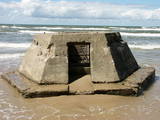 |
All that’s left of the battery today are the ruins of a cement blockhouse which have slid all the way down to the beach because of years of abuse by the wind and the waves. It is an interesting monument to history with a long-term fate that we can guess at – it will disappear under the sea.
|
|
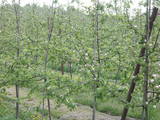 |
One of the loveliest apple orchards in Latvia (~10 ha, 30 types of apples) is on the sides of impressive hillocks. During clear weather, you can see the Bay of Rīga from atop the hillocks. The farm is particularly beautiful when apple trees are in bloom. Apples are available for tastings and purchase. |
|
 |
You will find the nice and quiet Kuusiku Nature Farm on the edge of the beautiful Lahemaa National Park by Lake Viitna Pikkjärv. The Kuusiku Farm offers traditional farm bread. |
|
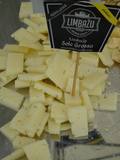 |
The Limbažu Cheese factory has more than 90 years of experience with dairy processing. It only uses milk from local farmers in Vidzeme, while the dairy processing technologies have been brought in from Switzerland. Limbažu Cheese exports 95% of its output. Alongside the company and on the other side of the street from the ruins of the Limbaži castle is a little store where the company’s products can be bought. |
|
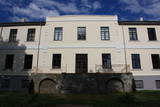 |
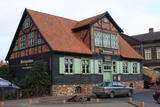
Atrodas stāvā Tebras (Dzirnavdīķa) ziemeļu krasta augšdaļā (Skolas ielā 1). Ēka celta 19. – 20. gs. mijā kā Aizputes muižas jaunā kungu māja. Tajā atrodas Aizputes novadpētniecības muzejs (no 1999. g.) un Aizputes TIC. Ekspozīcija par Aizputes pilsētas un apkārtnes vēsturi tiek pasniegts saistošā veidā, ļaujot apmeklētājiem iejusties vairāku gadu desmitu seno notikumu atmosfērā. |
|
 |
From the historical and architectural perspective, this is an interesting monument to urban construction between the 17th and 19th centuries. Old Liepāja is in the area of the old market and Kuršu Square, where merchants sold their wares beginning in the 1560s. Until 1792, Kuršu Square was also where punishments were implemented. The current Pētertirgus pavilion was installed alongside the square in 1910. A map shows that the network of streets has partly preserved the chaos of street planning that was typical in Medieval towns. |
|
 |
The domestic producer cooperative, which unites 29 producers and craftsmen of the Kuldīga region. The cooperative has its own shop in Pilsetas laukums 7A, Kuldiga, where it is possible to purchase all the products and goods produced by members of the cooperative. The store also offers seasonal delicacies and regular promotions, offering customers a wide and varied range of home-grown and home-made products. |
|
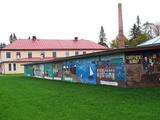 |
The late 19th C saw an increase in the development of dairy products in Estonia. The Dairy Museum was established in 1976 to preserve, research and exhibit the history of dairy production. Collections are exhibited both indoors and outdoors, our programmes are very popular and guided tours for groups are available on request. Estonian Dairy Museum tells guests about making dairy products at home, displays and exhibitions on dairy history are also available here. The museum also organises sweet cheese snack, cheese, ice-cream and butter making masterclasses. |
|
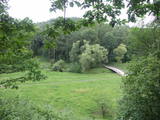 |
Svētkalnā atradusies krustnešu nocietinātā pils. Zemgaļiem to nebija pa spēkam ieņemt, tādēļ, nodedzinādami savu pili Tērvetes pilskalnā (1286. g.), tie aizgāja uz Raktes (Žagares) novadu Lietuvā. Kad Svētkalna nocietinājumi bija zaudējusi savu militāro nozīmi, krustneši to nojauca. 1701. g. Ziemeļu kara laikā Svētkalnā atradās zviedru armijas nocietinātā apmetne, no kā arī cēlies vietvārds. Domājams, ka pirms tam šajā vietā atradusies seno zemgaļu svētvieta. No Svētkalna paveras viena no skaistākajām un biežāk fotografētajām Tērvetes ainavām. |
|
 |
This business offers cheeses with various flavours that are sold at green markets in Gulbene and elsewhere in Latvia. It accepts orders. |
|
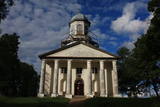 |
Tagadējais dievnams (iepriekšējie celti 1652. un 1776. g.) būvēts laikā no 1839. - 1842. g. Vidzemē pazīstamā lībiešu būvmeistara Mārča Sāruma (1799. –1859.) vadībā. Par prototipu tam izmantoja Pievolgas vācu koloniju baznīcu veidolu. Dievnama altārī atrodas Pītera Paula Rubensa gleznas “Kristus pie krusta” kopija (oriģināls – Minhenē), ko 1887. g. baznīcai uzdāvināja Nēķena muižas īpašniece. Baznīcas remonta laikā (1928. g.) atklāja piemiņas plāksnes 1. pasaules karā un Latvijas Brīvības cīņās kritušajiem. Blakus baznīcas atrodas viduslaiku kapsēta. Celtnes autors un būvdarbu virsuzraugs - H. fon Hagemeistars esot teicis, ka šis dievnams esot „vienīgā baznīca visā Vidzemē un varbūt arī pasaulē, kas uzcelta bez apreibināšanās”. |
|
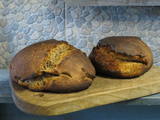 |
Sweet and sour rye bread is baked here on the hearth of a wood-fired oven, following an old family recipe and using home-grown, historical varieties of rye flour. The dough consists of rye or barley flour, salt, sugar, caraway seas and natural yeast. You can help to bake the bread, taste and buy it, and tour the farm’s museum. The farm grows its own grain in an environmentally friendly way. Available for purchase: sweet and sour rye bread, sweet and sour rye bread with peas, garlic, seeds, hemp, or without sugar. |
|
 |
The café is along the Rīga-Ventspils highway (A10). A summer terrace is available during the season. Latvian cuisine: Beef tongue salad, chilled soup, stock with dumplings, “little farmer,” pork ribs, potato pancakes and crepes, whipped fool. Special foods: Kharcho a la “Pie Jānis”. |
|
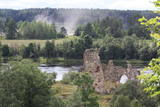 |
Found on the right bank of the Daugava where the little Karikste river flows into the Daugava, all that remains of the castle today is a set of ruined walls and foundations. The castle was built by the Livonian Order in 1224, and it was inhabited until the mid-17th century, when it was sacked during the Polish-Swedish war. The ruins offer a good view of the local gravel road that goes along the right bank of the river valley.
|
|
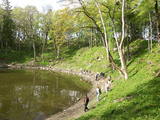 |
The biggest sea island in Estonia. In translation - "Land of The Islands". A bridge, where cyclists can drive connects Saaremaa island to Muhu island . |
|
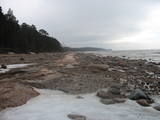 |
This is an important territory to protect the little gull during spring migration. It is opposite the Salacgrīva, Limbaži, Saulkrasti and Carnikava administrative districts, with a total area of 58,600 hectares.
|
|
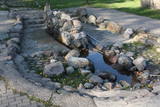 |
Atrodas 0,1 km austrumos no katoļu bazilikas. Jau no 1825. g. Svētavota ūdeni izmantoja dziednieciskiem mērķiem. Līdz 19. gs. 40. gadiem avota ūdens īpašības bija izslavētas tāpat kā Aglonas Dievmātes svētbildes brīnumdarītājas spējas. Tās savulaikapstiprinājusi Viļņas ārstu komisija un Pēterpils akadēmija, taču ap 1840. g. avots savas īpašības esot zaudējis. Tomēr arī mūsdienās svētceļnieki joprojām tic avota spēkam. |
|
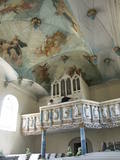 |
The Apriķi Lutheran Church is, for good reason, known as one of the most beautiful churches in Kurzeme. It was owned by the Osten-Zacken dynasty in the past, built in the 17th century, and rebuilt in 1710. The wooden interior is in the Rococo style with elements of the Baroque, and it dates to the mid-18th century. It is amazingly ornate. The beautiful ceiling paintings, which were produced by a Prussian painter called Rode, were painted between 1744 and 1746. |
|
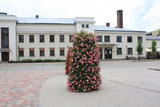 |
Old Town Square is the city’s historic centre. It was here, on February 12, 1670, that Duke Jacob of the Duchy of Courland proclaimed the establishment of a town. During the early 20th century, the square was covered in paving stones, and the city market was held there. On the sites of the square are the People’s Centre, the Unitarian Church and a tourism information centre. In the square are a water pump, an enormous scale, and a sculpture of a cougar, which is the symbol of Jēkabpils. From here you can tour the historical centre of Jēkabpils with its narrow streets and low-story buildings. |
|
 |
Family farm near Valmiera with large fields, meadows and 400 cows. Production of cream, cottage cheese, yoghurt, cheese, ice-cream and other products from the farm's milk. |
|


