
| No | Name | Description |
|---|---|---|
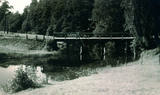 |
The River Pēterupe (46 km long) in its lower reaches flows by the sea, and it is one of the longest parts of the river along the picturesque coastline. In the past the River Pēterupe had several names: Pērļupe, Tarupe, Tara (in Livonian: the River of God or the Holy River). The historic area of Saulkrasti – Pēterupe Village was located on the right bank of the River Pēterupe. |
|
 |
Bioloģiskā lopkopība. Saimniecībā audzē dažādus dzīvniekus – Galoveju šķirnes liellopus, Merino aitas, kazas, muflonus, dažādus mājputnus un sliekas, kur katram dzīvniekam ir sava svarīga loma. Piedāvā dzīvnieku apskati un ieskatu bioloģiskajā saimniekošanā, atpūtu pie dabas. |
|
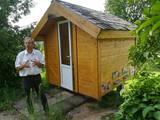 |
"Piebalga medus" is located in Vecpiebalga region, turning off the highway Cēsis – Vecpiebalga – Madona (P30). Beekeeping, apitherapy and narration "About and around bees". Tasting and purchase of beekeeping products. A candlestick workshop is available for visitors. Especially with the fact that the apiary only with Latvian hives. |
|
 |
This village is at the place where the Irbe (Dižirve, Īra) River flows into the sea, and it is on both shores of the river (sea side and land side). The name of Irbe was recorded for the first time in a 1310 border agreement between the bishop of Kurzeme and the Rīga Dome Capitol. The name of Lielirbe (Irvemūnde) was recorded for the first time in a document from an arbitration court in 1387. At the end of the 19th century, the small port at Lielirbe was an active centre for the sale and transport of timber materials. In the late 19th and early 20th centuries, the largest number of sailing ships among villages on the western shore of Kurzeme was built there. In 1939, the village had some 300 residents, more than 70 houses and a Baptist church which is now at the Ventspils Open Air Museum. A narrow-gauge railroad passed through the village, which had a post and telegraph office, two grocery stores, an elementary school, a choir and a brass band. Lielirbe was one of the largest villages to disappear after World War II. Cultural historian Valda Marija Šuvcāne (1923-2007) was born in Lielirbe, and her daughter, Baiba Šuvcāne, is continuing her mother's work by writing important papers about life along the Livonian coastline. By 2019, a bridge is to be reinstalled across the Irbe River. |
|
 |
The Lapmežciems Museum features
information about the history of the local
parish, its school and its fishing industry.
There are also exhibits featuring World
War I battles near Klapkalnciems which
involved Finnish soldiers. The museum
also organises themebased exhibitions.
Alongside it is a memorial rock for the
politically repressed.
|
|
|
|
Gegründet für den Schutz der Landschaften und der Seen der Aukštaitija-Anhöhe, Arten und Biotope. |
|
 3 days
|
This tour takes you to beautiful gardens in Latvia and Lithuania. Poems are dedicated to trees in the garden surrounding the memorial house of Edvarts Virza, a Latvian poet and writer who wrote a legendary novel about the lives of Latvian farmers. Strūbergu decorative garden offers a garden excursion and consultations in gardening. At Brukna manor you will see a vegetable garden that is arranged as a Renaissance park, a rose garden and a vineyard. The beautiful 18th century Mazmežotne castle is renovated by a grain farmer’s family. The Rundāle castle is known as Latvia’s true jewel of Baroque and Rococo architecture featuring also a rose garden with over 2200 varieties of roses. At Blankenfelde manor you will see a collection of bells and will enjoy natural juices, syrups and pickles produced in-house. Visiting Mint House you will taste mint tea, biscuits, honey with peppermint and peppermint syrups. Next stop is at the vegetable and herb farm “Droši vesels” producing herbal ointments. In Lithuania you will visit Žagarė, known for its cherry orchard-park and the special species of cherry – the ‘Žagarvyšnė’, on the National List of Plant Varieties. Stop by Žagarė Manor Park, containing more than 100 species of trees and shrubs. Back in Latvia you can have a picnic at Vilki arboretum showing about 1000 different plants - both typical of the landscape of Latvia and quite unique. At Zaļenieki tree nursery, you can walk in the garden with over 2000 trees and shrubs. Further you will enjoy the beauty of peonia in the collection garden by Andris Berkins. Amatnieki homestead offers tours of their tulip garden. Klūgu landscape garden is famous for begonias. Institute of horticulture in Dobele owns a collection of over 200 types and forms of lilac plants. ''The beautiful and practical idea garden'' is proud of its collection of conifers, and the hosts offer tastings of herbal spice powders, dried berries and fruit. “Rūķīšu tea” is one of the largest farms for medicinal plants in Latvia (purple coneflowers, marigolds, chamomile, etc). And finally, visit Liepas tree nursery specialised in cultivation of fruit-trees, berry bushes and roses. |
|
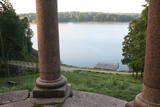 |
These are beautiful and impressive views, particularly early in the morning, of the historical locations of Alūksne. Go to Templis Hill, the Aleksandrs Pavilion, the obelisk which commemorates Heinrich von Fittinghoff, and the memorial to soldiers of the No. 7 Sigulda Brigade for good views. The Templis Hill, the castle ruins, the estate and the pavilions are arhitectural monuments.
|
|
 3 days
|
On this tour, you will see the most beautiful places and towns in the Vidzeme region and Gauja National Park such as Sigulda with the River Gauja valley, the medieval old town of Cēsis, and Valmiera. You will feast on the Miller’s Lunch, visiting a working windmill, explore a herb and vegetable garden by a medieval castle, taste hemp butter, and Valmiermuiža local brewery beer. You will taste the “green cheese”, a sparkling birch sap drink, and can buy delicacies made from locally grown garlic. |
|
 |
Mini zooloģiskais dārzs Brocēnu novadā, kur iespējams gan apskatīt, gan samīļot dažādus dzīvniekus lauku vidē. Sētā ir arī ugunskura vieta un nojume, kur patverties lietus laikā.
|
|
|
|
Linezera dabas takā apskatāms ezers, kurš mēdz pazust pazemē. Apmeklējums saskaņojams ar zemes īpašnieku. |
|
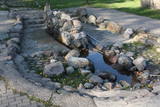 |
Atrodas 0,1 km austrumos no katoļu bazilikas. Jau no 1825. g. Svētavota ūdeni izmantoja dziednieciskiem mērķiem. Līdz 19. gs. 40. gadiem avota ūdens īpašības bija izslavētas tāpat kā Aglonas Dievmātes svētbildes brīnumdarītājas spējas. Tās savulaikapstiprinājusi Viļņas ārstu komisija un Pēterpils akadēmija, taču ap 1840. g. avots savas īpašības esot zaudējis. Tomēr arī mūsdienās svētceļnieki joprojām tic avota spēkam. |
|
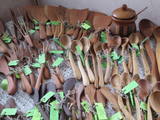 |
The spoon workshop offers useful objects such as wooden spoons, cutting boards, butter knives, pans, spatulas, etc. You can produce your own wooden spoon and look at finished spoons made of more than 17 different types of wood from Latvia. During the summer the owners offer “pancake tours” with tasty jams. You can purchase spoons and homemade wine. |
|
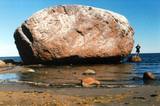 |
This is the largest rock in the Baltic States and, according to some sources, in all of the segment of Northern Europe which was affected by the last Ice Age. Its size is 930 m3! The rock is 7.5 m high, 16.5 m long and 14 m high, with a circumference of 48.5 m. The rock resembles a huge pebble from a distance, and it is on the sandy and rocky beach. Depending on the season, it can be out in the water. The Ice Age carried the rock to its current location from the southern shore of Finland. It is made of pegmatite.
|
|
 |
The farm is open to visitors all year round, but the best time to visit is during the spring and summer. The farm offers 45-minute lectures about plants, after which there is a 30-minute tour of local plants outdoors. |
|
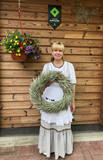 |
The Dzīļu bakery in Malnava is a symbol of Krāslava and it is located next to the Malnava manor park. The lady of the house prepare hearty Lettigalian dishes and other country goodies. In the bakery the owner bakes different types of bread, for example, rye-bread, sweet-and sour bread, as well as makes cakes on pre-order. She also offers to groups and families to bake bread, pies, cakes or pizzas together. The tasting and Latgalian dishes in nowadays’style. A walk around the park of Malnava manor and stories about the white gate. Local bread is famous in Kārsava. The bakery offers brunch on weekends, as well as markets of local crafts and other products. |
|
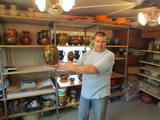 |
This potter upholds pottery traditions from the village of Silajāņi. He produces glazed and unglazed products such as dishware, candelabras, etc. You will hear attractive stories about pottery, be allowed to knead some clay and work on the potter’s wheel, and be able to tour an exhibition hall with samples of the master’s work, as produced over the course of the years. You can also commission and purchase products. |
|
 |
Rukši ir bioloģiskā saimniecība, kura audzē HEREFORD šķirnes liellopus, bariņu blējošas aitas ,vistas. Ar ambiciozu skatienu nakotnē par iespējām nodrošināt ar kvalitatīvu liellopu gaļu visus izsalkušos. |
|
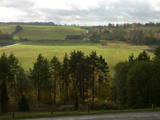 |
As you travel from Kandava to Sabile, you will find a parking lot on the right side of the road. From there, there are steps to a viewing area on the highest hill in the Abava Ancient River Valley – Greiļi Hill. This offers a wonderful view of the ancient river valley and the local mosaic of meadows and forests. The landscape is enriched by the Imula and Amula valleys that are on the other side of the ancient river valley.
|
|
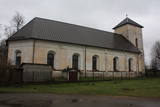 |
Atrodas Grobiņas centrā, Dzērves laukuma malā. Pirmā baznīca Grobiņa bija celta jau ap 1560. g., bet nākamā – 1596. g. celtā iznīcināta 1659. g. zviedru iebrukuma laikā. Pēc Kurzemes un Zemgales hercoga Jēkaba Ketlera iniciatīvas 1664. g. tiek uzcelts jauns dievnams, ko atjauno 1892. gadā. Tas dedzis 2. pasaules kara laikā, bet vēlāk atkal atjaunots. Šobrīd notiek altāra restaurācijas darbi. |
|


