
| No | Name | Description |
|---|---|---|
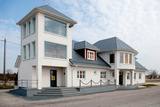 |
The Centre at Sõru harbour exhibits various vessels, smaller wooden boats are built and renovated here too. The three-masted schooner Alar is awaiting restoration. Part of the Centre complex is the Sõru Museum giving an insight into local sea-going history; workshops on coastal life and seafaring can be booked in advance. |
|
 |
The craftspeople offer tours during which you can watch them at work. You can also produce your own souvenirs with various techniques, including the potter’s wheel and the engraving technique, making use of pre-prepared moulds. You can also commission and purchase ceramics products. This location is popular among children and wedding parties. |
|
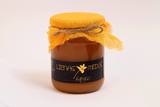 |
A family-owned company that cares for a clean environment, organic produce and design. Offers tours in the bee apiary and farm, tasting. |
|
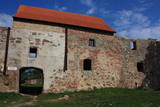 |
Found along
|
|
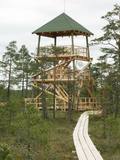 |
This is part of a hiking trail along the Cena bog. It is on the western side of the bog, at the centre of the 5-kilometre circular trail. You can see the vast swamp, as well as a military road that was installed during World War I and is marked by an “alley” of large pine trees. Alongside the tower is a fragment of the road that was installed more recently.
|
|
 |
Eine der schönsten Landkirchen Estlands, wurde ursprünglich als Zufluchtsort verwendet. Wurde im Stil der Frühgotik gebaut. Die Wandmalerei aus dem Jahr 1330. |
|
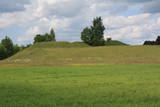 |
This is one of comparatively few castle hills along the banks of the Daugava River that is not overgrown with trees and bushes, which means that it has a classical castle hill form that is part of the local landscape. The Dignāja castle hill was settled during several periods, particularly between the 5th and the 9th century AD, when it was an important centre. Archaeologists have found that Lettigalian tribes lived here. After the Holy Crusade invasion, the Livonian Order built a castle on the hill that has not survived. It is said that there was once an underground passageway under the hill. The hill itself offers a lovely view of the Daugava River valley. World War I trenches have been preserved the area. There was once a settlement at the foot of the hill. |
|
 |
“Kundziņsiers” ir jaunas ģimenes izlolots sapnis par savu sierotavu, kas īstenots 2018. gadā Bērzciemā. Piedāvājot sieru apkaimes iedzīvotājiem, radiem un draugiem, pakāpeniski izveidojies pastāvīgs klientu loks. Nosaukums “Kundziņsiers” radies no saimnieku uzvārda Kundziņi. SieriKūpinātie sieri – ar ķiplokiem, saulē kaltētiem tomātiem, ķimenēm vai bez piedevām. Svaigie sieri – ar ķiplokiem, saulē kaltētiem tomātiem, ķimenēm, sieramoliņa sēklām, grauzdētām sēkliņām vai bez piedevām. Kā top siersDarbs sākas rītausmā – ar svaigu, tikko slauktu pienu, ko piegādā no saimniecības Vandzenē. Sieru gatavo tikai no nepasterizēta govs piena, rūpīgā procesā pievienojot katram sieram raksturīgās piedevas, lai radītu bagātīgu un sabalansētu garšas buķeti. Katrs siera ritulis ir roku darbs. Apmeklētājiem
Kur iegādāties sierusVasaras sezonā – saimniecībā uz vietas un Engurē, maizes ceptuvē “Kukul”. |
|
 2 days
|
This route leads through the Curves of Daugava nature park, which is an area that was once to be flooded for the construction of the Daugavpils hydroelectric power plant. The central artery in the park is the ancient Daugava River valley, and the specific here is eight grand curves with a length of 4-6 km. The highest banks of the river are at the so-called Daugava gate, with the mighty Ververi and Slutiški cliffs. More than ½ of the territory is forested for hiking, nature watching, berry picking and mushroom hunting. The Daugava River valley has one of the greatest diversities of flora -- >800 different kinds in all. This is also a multinational environment with Lettigalian, Lithuanian, Polish, Russian and Belarusian traditions and heritage. The Slutiški village, which is unique in Latvia, is popular among tourists. Route information from Latvijas Lauku forums |
|
 |
Kafejnīca "Bura" atrodas Madonas ziemeļdaļā, uz Gaujas un Rūpniecības ielas stūra – pie pilsētas apvedceļa. Kafejnīcā piedāvā plašu ēdienkarti, t.sk. latviešu virtuvi. Banketu zāle, vasarā darbojas āra terase. Piedāvā izbraukuma banketus. Ēka celta guļbūves stilā. Ainaviska vide, laukakmeņi. Latviešu virtuve: Pelēkie zirņi, kartupeļu biezputra ar gaļas krikumiņiem, zemnieku podiņš, siļķe ar mrinētiem sīpoliem un krējumu, maizes zupa, plānās pankūkas. Īpašais ēdiens: Pēc dažādām receptēm gatavots zandarts. |
|
|
|
The Cemetery of the Brethren. A wood
pathway leads from the RīgaVentspils highway
(A10) to a memorial rock dedicated to men who
fell during World War II.
|
|
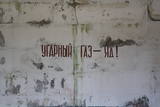 |
The Staldzene Zenith Missile Brigade used a large territory and a number of major buildings. Some of these are now privately owned, and a fish smoking facility has been installed at one of them.
|
|
 |
Z / S "Kaņepītes" is a family company founded in 1992. The farm takes its name from the name of the house given to it in 1924. Organic farm where cereals are grown and processed into food. The production of the products is small, but the technique has an ancient atmosphere, a stone, wooden mill that gives a special taste and aroma to flour and oatmeal. Now the assortment already has 30 different product types. |
|
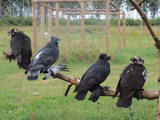 |
You can take an individual trip through the mini-zoo or have a guide to accompany you. You will see 16 types of doves, a Vietnamese pigmy pigs, river rats, rabbits, chinchillas, goats, parrots, turtle doves, ducks, geese, chickens, pheasants, and other birds. Children will love feeding the animals and establishing contacts with them. |
|
 |
The owner of this farm produces ecological vegetables, fruits and berries, and two protected breeds of cows. She chairs a club for lovers of horses and breeds local breeds of horses. The owner has a horse breeding museum with more than 1,000 exhibits. She also organises various celebrations for the Assumption of Mary festival, etc. |
|
|
|
The cafe in the guest house Imals, next to the highway Kandava-Sabile (9th km). In the ancient river valley of Abava, 5 km away from Sabile. Both traditional Latvian dishes and tasty grilled steaks with different garnishes; as well as Italian pastas or Chinese food. |
|
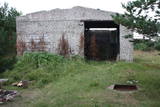 |
The projector buildings of the former border guard facility have been preserved at Labrags, but they are privately owned.
|
|
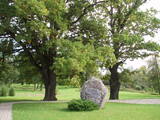 |
This is one of the rare cases in which we know precisely when the trees were planted. It was in 1685 and 1689, and they were planted by the priest of the local congregation, Ernest Johann Glück (1654-1705) in commemoration of the fact that he had completed the translation into Latvian of the Old Testament and the New Testament respectively.
|
|
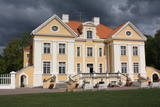 |
Palmse Manor is known to be considered as one of the most beautiful manors in Estonia. The manor has been mentioned first in 1510 as a property of women's monastery. In later centuries it belonged to Palenu family. Manor was built in 1697 but it was made the way we see it nowadays in 18th century. It has been renovated one more time in 1970-1980's. Around the building is a big and scenic park with several ponds. Inside the manor you can become familiar with its interior and visit the basement as well as buy Estonian wine. |
|
 |
Atrodas Tirdzniecības kanāla dienvidu krastā, kas padomju laikā bija slēgta zona ar pierobežas režīma statusu. Tagad lieliska pastaigu vieta, kur var vērot kuģīšus un jahtas. Promenādes visā garumā izvietojušies vēsturiskie spīķeri. Šeit meklējami krodziņi, viesnīcas, mūzikas klubs, mākslas galerija un Dzintara pulkstenis. |
|


