
| No | Name | Description |
|---|---|---|
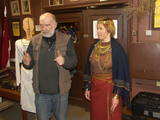 |
The blacksmith’s shop is found at the medieval Cēsis Castle. You can examine, order and purchase reproductions of ancient jewellery, watch the craftsman at work, hear a very attractive story about the history of jewellery-making, and try your own hand at the craft. |
|
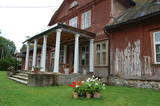 |
The mansion of Uue-Varbla Manor houses the local history museum which presents local life from the early 20th C and history of Varbla municipality. There is a handicraft workshop in the museum, while old tools and machinery are exhibited in the granary. The mansion in early Classicist style from 1797 is an attraction in itself. Traditional handicraft fairs are held in the grounds in July every summer. |
|
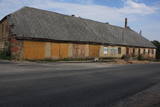 |
Atrodas Sakas un Liepājas ielas krustojumā. Ēka, kas šobrīd atrodas sliktā stāvoklī, celta 19. gs. vidū. |
|
 |
"Ziedlejas" offers sauna treatments and events in the contemporary design Glass Sauna, Smīma Spruce Smoke Sauna and Black Sauna, which is located in an unspoilt corner of the forest. The ritual sauna treatment includes heating, herbal compresses, herbal scrub, big beating, swimming in the pond, massage with healing oil and honey, vibrating with sound, tea, home-baked bread. The sauna treatment lasts four to five hours and is led by a sauna master. Various master classes are possible in connection with sauna rituals and the use of plants in healing and beauty care and the preparation of appropriate preparations. Bicycle rental is available, which includes access to the Ziedleju xc / enduro trails, bicycle training and bicycle guide services. It is also possible to organize and lead team building events, as well as team communication trainings. |
|
 |
The cafe is situated in the shopping centre Sala in Jekabpils, on the right back of the river Daugava. The cafe’s premises are comfortable and decorated with fresh flowers. It is a place where you can have either breakfast, dinner or supper. Working hours: 9.00 - 20.00 |
|
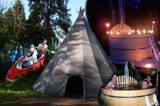 |
The Centre promotes sustainable lifestyle and the great outdoors, there you can plant trees and make and install nest boxes. Canoeing, bog walks, bow and crossbow shooting ranges are available for the more adventurous. There is a log house for functions and accommodation and a sauna with a hot tub. |
|
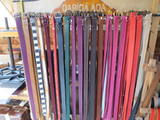 |
This workshop manufactures belts, bags, jewellery (pendants, brooches, bracelets), as well as covers. It offers book binding services and prepares souvenirs. Tours are available for groups of up to 50 people. You can try your own hand at the crafts, taste teas, and cook soups on an open fire. |
|
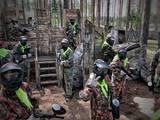 |
Aktīvās atpūtas peintbola parks un kempings ir atvērts apmeklētājiem no 2008. gada un šobrīd ir viens no lielākajiem peintbola parkiem Latvijā. Spriedzes un adrenalīna pilni piedzīvojumi nodrošināti kā skolēnu grupām, tā arī kolektīviem un draugu pulkam. Peintbola parks „Bušas” piedāvā lielus peintbola laukumus, ar šķēršļiem, mājiņām, ejām, torņiem, automašīnām – pilnvērtīgai un aktīvai peintbola spēlei. Peintbola parks „Bušas” ir sertificēts un drošs peintbola parks ar pieredzējušiem instruktoriem, kas seko peintbola spēlei visu tā laiku, lai mazinātu negadījuma iespējas, iepazīstina ar drošības noteikumiem un iepazīstina ar ekipējuma lietošanu. Peintbola parkam ir arī otra lokācijas vieta Rīgā, Matīsa ielā 8 Parkā ir iespējams arī pārnakšņot dažāda tipa naktsmītnēs - lielākā un mazākā kotedžā, pirts mājā, kā arī izmantot kempinga teritoriju telts būvēšanai. |
|
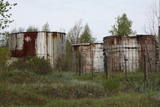 |
The former missile transport facility at Karaosta is not used any more. The territory is mostly closed off to visitors.
|
|
 |
Hiiu Vill is a family business and one of very few wool manufacturing companies in Estonia, it uses 19th C machinery of Polish origin (carding and roving machines), which the owners are happy to demonstrate. A café is open in summer only; woollen handicrafts are sold all year round. |
|
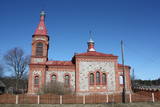 |
During restorations of the tower of the Kolka Lutheran church in the 1990s, a document was found which spoke to the conversion of many Livs to the Orthodox faith. The document was placed in the tower in 1885, when the church was being constructed, and it says that the decision by Livs to join the Orthodox church was based not on faith, "but instead as a resource for accessing advantages in relation to land." The Orthodox congregation purchased land from a local aristocrat in 1885, and in 1990, a church, manse and school were built on the land. All three buildings have survived to the present day. The church has its own congregation, and worship services are held once a month. There are news to show that Kolka is the only Liv shoreline village in which an Orthodox church was built during the 1890s. The church's bell dates back to 1936. During the Soviet era, the church was used as a mortuary, but today its original functions have been restored to it. |
|
 |
The Klūgu family owns a landscape garden that has been declared to be one of the most beautiful gardens in Latvia, offering a diverse landscape which the owners recommend be enjoyed in July, when the summer flowers are most colourful. If you want to satisfy the dream of the family -- living in a park, you must see Latvia's typical landscape with large deciduous trees, various coniferous trees and a colourful park of shrubs that has been established over the course of several years. |
|
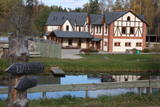 |
Established: 1890. The Wagner Garden is located near Lake Jumprava. Its originator was Friedrich Wagner, who grew fruit trees, decorative shrubs and flowers. This garden contains one of Latvia’s oldest and best collections of foreign trees and shrubs. There are trails for perambulations in the park.
Unique species: Todo Fir (Abies mayriana), among others. Guides for groups and individuals; please contact the garden in advance. Sale of plants
|
|
 |
The farm breeds historical Portuguese Lusitano breed horses, Shetland ponies, other horses from Europe, Ango Nubian goats, sharp wool sheep from Lithuania's genetic fund, and a large group of various fowl. Visitors will learn all about the animals and their origin and be given a chance to ride horses and ponies, as well as to observe the animals. |
|
 4 days
|
The trip starts in Kuldīga – a jewel among the old towns in Kurzeme. The town centre is home to historic buildings dating back to the 17th – 19th century. Cobbled streets of Kuldīga, old buildings, the river Alekšupīte, running through the town, St. Catherine’s Church and organ music concerts in it, gourmet restaurants and a country delicatessen shop in the town centre is a great travel experience to enjoy in a leisurely ambience of a small town. The red-brick bridge over the river Venta is a landmark of the town. The widest waterfall of Europe, Ventas rumba (width ~100 m) lies on the Venta. Venta river promenade is a popular place for walking along the riverbank. A private transfer will take you from Kuldīga to the village of Snēpele, where you will start your hike. The trail will take you to the Pelči Manor, the manor park and the deer park next to the guest house “Mazsālijas”. Next, the Forest Trail will lead you through the Abava River Valley Nature Park up to the town of Sabile. The latter is home to a winery and cider house “Sabiles Sidra nams”, which offers tastings and sells the local wine and cider. The section along the Abava River Valley Nature Park is the most diverse in terms of landscape and terrain of a river valley in Kurzeme. The river valley with its numerous habitats and vast biodiversity reaches a depth of 30–40 m and is more than 300 m wide. One will find springs, waterfalls, rock outcrops, and boulders here. After the Forest Trail has meandered through meadows, oak forests and hillocks it finally reaches the town of Kandava. |
|
 10 days
|
Autumn is a peak bird migration time when huge flocks frequently cross the sky above your head. Cranes perform impressive displays in the fields. There are still some dragonflies and butterflies to see, plus wild animals including wild boar, deer and beaver. The landscape acquires its beautiful autumn colours while we people can enjoy oursleves gathering the wild autumn harvest - mushrooms, cranberries, cowberries and much more. From Riga the tour goes along the Vidzeme sea coast with areas of Devonian sandstone, coastal meadows and numerous places to watching wading birds. At Salacgriva you visit the traditonal lamprey weirs and can taste them grilled. The tour goes to Seda bog, which is an important nesting site for water birds. Here you might see several types of geese, swans and cranes as well as some mammals and dragonflies. Then the route goes to natural coniferous forests at Mežole with great biological diversity. Next the tour focuses on mushrooms and berries in the Gauja National Park which also provides great views of the river valley with some steep Devonian banks with several medieval castles and manors perched on top. Then the tour goes back to Riga and on to two important national parks. Ķemeri National Park has a Black Alder trail through wet forest, ideal for spotting woodpeckers. In contrast the Big Heath trail passes though a landscape of raised and transit bog and sulphurous springs. At Slītere National Park you have a wildlife day visiting a beaver lodge, tracking variousforestanimals and possibly seeing some of them. Cape Kolka offers excellent costal migration action. The tour goes along the steep sea coast of Jurkalne, stops at Ventspils town for lunch with a bracing walk along its breakwater, then turns inland towards Riga. On the way there are stops at the Abava ancient valley and Sabile wine hill. |
|
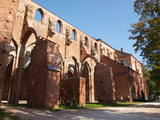 |
Eine der größten Kirchen Osteuropas (bis 16. Jh.) un die einzige mittelalterliche Kirche Estlands mit zwei Türmen. Wurde in 13. – 16. Jh. gebaut, zerstört im Laufe des Livländischen Kriegs. Im Chorteil der Kirche befindet sich das Museum der Universität Taru (früher – eine Bibliothek). Die Türme sind renoviert und in denen sind die Aussichtsplätze eingerichtet. |
|
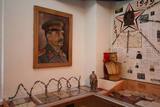 |
The local museum offers an interesting and extensive exhibit related to World War II at the Kurzeme fortress and the fate of Latvian soldiers who took part in the war. There are also exhibits related to the history of World War I and World War II, complete with a collection of civilian and military objects. Among them – a YI-2 airplane, an armoured personnel carrier, a Red Army tank, and all of the trenches and bunkers of the relevant era.
|
|
 |
Baltijā lielākās HES celtniecību uzsāka 1961. g., bet pabeidza 1966. g. Tajā uzstādīto 10 hidroagregātu projektētā jauda bija 825 MW. Pļaviņu HES tiek uzskatīta par unikālu, jo pirmoreiz HES būvniecības praksē tā konstrukcija tika balstīta uz mālsmilts un smilšmālu gruntīm ar maksimālo spiedienaugstumu - 40 m! Pļaviņu HES ēka ir apvienota ar ūdens pārgāzi, zem kuras atrodas Latvijas garākais tunelis - Enerģētiķu iela. 20. gs. deviņdesmitajos gados Pļaviņu HES rekonstruēja un tagad tās jauda ir sasniegusi 870 MW. Apmeklētāji var iepazīt mašīnzāli, skatu laukumus un HES maketu. |
|
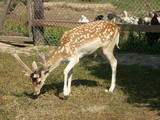 |
The owner will give you a tour during which you will see African ostriches, fallow dear, the Soay breed of sheep, exotic birds and fowl. You can establish contacts with the animals and purchase souvenirs. |
|


