
| No | Name | Description |
|---|---|---|
 |
Lauku sēta ar pirti atrodas Merkys upes krastā, ciema nomalē meža tuvumā. Piedāvā programmu "Griķu ceļš no sēklas līdz galdam", iespējams nobaudīt tradicionālos ēdienus. Piedāvā arī nakšņošanu. |
|
 3 days
|
On this tour, you will see the most beautiful places and towns in the Vidzeme region and Gauja National Park such as Sigulda with the River Gauja valley, the medieval old town of Cēsis, and Valmiera. You will feast on the Miller’s Lunch, visiting a working windmill, explore a herb and vegetable garden by a medieval castle, taste hemp butter, and Valmiermuiža local brewery beer. You will taste the “green cheese”, a sparkling birch sap drink, and can buy delicacies made from locally grown garlic. |
|
 |
A large paddock which is freely accessible for children and their parents offers contacts with goats, pigs, fowl and other animals, including rabbits. During the season, the owner offers eggs for sale. |
|
 |
Jaanihanso Cider House makes cider from natural Estonian apples. Here there is a special technique applied to making the cider – the cider clears and matures as same as the best champagne in the world does. Here it’s possible to try different ciders and for additional fee, snacks to with it, as well as take a tour around the Cider House. In this case, registering one week in advance is necessary. |
|
 |
The café is located in the centre of Tukums. Latvian cuisine: Boiled tongue, tongue salad, potato salad, cod liver salad, quenelle, bean or sorrel soup, sautéed mushrooms, homemade steak haché, crepes, crunchy oatmeal, strawberry soup. |
|
 |
In the Alatskivi historical ice cellar wine, herbal teas, various snacks, spicy vinegars and jams are made from fruits of local meadows and forests. In the cosy boutique you can taste and buy wines, teas and other local food souvenirs. If the group is bigger or you want to visit us outside of working hours, it is desirable to notify us about your arrival in advance. |
|
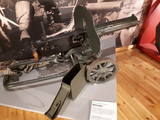 |
Ikšķiles vārds Pirmā pasaules kara laikā izskan saistībā ar diviem notikumiem – Ikšķiles priekštilta nocietinājumiem (Nāves sala) un kaujām pie Mazās Juglas upes. 1917. gadā 1. septembra rītausmā Vācijas impērijas armija uzsāka uzbrukumu iepretim Ikšķilei ar mērķi ieņemt Rīgu un saņemt gūstā Krievijas 12. armiju. Ar spēcīgu artilērijas atbalstu vācu vienības izsita Krievijas armijas karavīru daļas no Ikšķiles pozīcijām, kas savukārt ļāva Vācijas armijas karavīriem pa trim pontonu tiltiem šķērsot Daugavas upi. 1.septembra pēcpusdienā vācu izlases vienības sasniedza Mazās Juglas upes apkārtni pie Tīnūžiem, kur tām negaidīti ceļu aizšķērsoja no rezerves steigā atsauktā 8000 vīru lielā 2. latviešu strēlnieku brigāde, kura ieņēma pozīcijas gar Mazās Juglas upi. Latviešu strēlniekiem tika pavēlēts aizkavēt vācu karavīrus, līdz visa 200 00 vīru lielā Krievijas 12. armija izies no aplenkuma, nenokļūstot vācu gūstā. Latviešu strēlnieki savu uzdevumu izpildīja pilnībā, diennakti cīnoties pret gandrīz desmitkārtīgu vācu pārspēku. Kauja pie Mazās Juglas upes bija viena no traģiskākajām un reizē viena no leģendārākajām Latvijas vēstures lapaspusēm. "Tīnūžu muižā" ir izveidota 1. Pasaules kara tēmai un Juglas kaujām veltīta ekspozīcija. |
|
 |
"Karpyne" has an excellent restaurant which offers both various fish dishes as well as other foods. Here there's a lot to do inside and outside, for example, inside is bowling alley, swimming pool, gym and outside - outdoor swimming pool and a tennis court, there's a possibility to fish too. Seminars and celebrations can be organised here. |
|
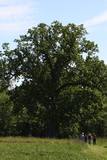 |
The tree is on the side of a hillock, and its visible roots are unusually huge.
|
|
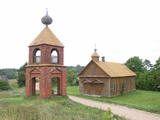 |
One of the most unusual houses of worship in the national park, this one has a red brick tower, and together with local residential buildings it makes up an interesting cultural landscape. The prayer house is not open to the public. |
|
 |
The farm is on the banks of the Daugava River and grows various berries, apples and pears. You can taste the fruit and berries in the garden and by products, as well. |
|
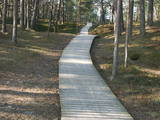 |
Plieņciema taka atrodas dabas liegumā "Plieņciema kāpa" starp Plieņciemu un Ķesterciemu. Pāri kāpai ir izveidota laipu taka un atpūtas vieta. Taka ir izveidota, lai mazinātu negatīvo ietekme uz Plieņciema kāpas dabas vērtībām – zemsedzes nomīdīšanu, piegružošanu ar atkritumiem, braukšanu ar autotransportu.
|
|
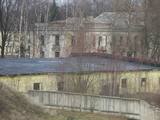 |
The Swedish army built a modern fortress during the 1640s with five bastions and two gates. There were 120 cannons and mortar throwers, barracks for soldiers, flats for officers, a garrison church and warehouses for food at munitions. After the Great Northern War in 1710, the fortress was taken over by the Russian army. After the Soviet occupation in 1940, the Soviet navy took over the fortress. Alongside it is a former Soviet army facility with abandoned buildings and a monument to sailors who served in submarines. The fortress is open for tours on Saturdays and Sundays. |
|
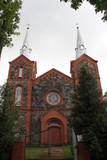 |
Dievnams celts no šķeltajiem laukakmeņiem un sarkanajiem ķieģeļiem laikā no 1894. - 1909. g. Tajā saglabājušās vecās koka baznīcas iekārtas un 18. gs. sākumā veidots cilnis “Svētais vakarēdiens”. |
|
 12 days
|
This tour offers seeing the capital cities and most attractive towns of Lithuania, Latvia and Estonia through the freedom of independent travel and using public train and bus services. Getting around in cities and towns is easy, either by walking, or by using local public transport or taxis. The Old Town of Vilnius is in the UNESCO World's Cultural Heritage list. Daugavpils Fortress and the museum of Mark Rothko, the world famous abstractionist, are two highlights of Daugavpils city, Rēzekne city is known as the heart of Latgale region. Riga, the capital city of Latvia, offers a variety of cultural experiences and entertainment. Sigulda is famous for its landscapes and medieval castles. Cēsis is one of the most charming towns in Latvia with many attractions ranging from medieval heritage to nice restaurants, exhibitions and festivals. Valmiera offers art galleries, museums, nature trails and Valmiermuža beer from the famous local brewery. Tartu in Estonia is a university town, with some very popular tourist attractions such as the interactive AHHAA science centre, the largest in Baltic countries. Narva is a border town overlooking the Ivangorod fortress in Russia across the river Narva. Finish the tour in Tallinn – the capital city of Estonia. Tourist information centres in cities and towns will help you with maps, information on sights, attractions and guided tours, food, shopping and public transport. |
|
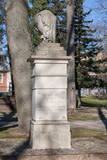 |
In 1877, Baron August von Pistohlkors, celebrating the merits of his ancestors in the foundation and development of Neibāde, ordered a monument to be erected in the park. After World War I, in the early 1930s, the monument was accidentally found during the cleaning of the bed of the River Ķīšupe. The monument was renovated by the Neibāde Aid and Improvement Society and officially reopened in 1933. The monument also suffered damage after World War II. Now the monument is restored and located in the park of the open-air stage. |
|
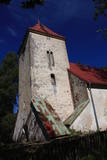 |
Iespaidīgais un monumentālais dievnams uzcelts 1816. gadā. No baznīcas nozīmīgākajām interjera detaļām ir saglabājušās ērģeles, altārglezna, lustra un kroņlukturis. Jāpiebilst, ka baznīca savā pastāvēšanas laikā nav pārtraukusi savu darbību. |
|
 |
On the left bank of the ancient Gauja River valley, between the Paparžu ravine and the ravine along which the Sigulda-Turaida road passes through the valley there are the ruins of a castle built by the Order of the Brethren of the Sword. Construction on the castle began in 1207, and three decades later, in 1236, the castle was rebuilt for the needs of the Livonian Order. The Sigulda Castle suffered much damage during wars in the late 16th and early 17th century. During the Great Northern War, it was burned down and never restored. What is there today is the south-western segment of the castle's convent building, as well as the tower of the main gate. Beyond that is the internal forecastle, where there is an open-air stage for the annual Sigulda Opera Music Festival and other public events. There are also impressive views of the ancient Gauja River valley, Krimulda and Turaida. Reconstruction of the ruins is currently ongoing, and after the work is completed a second tower on the left side of the stage will be available to visitors. The plan is to install crossings around the walls of the convent building. Presently the ruins are available on a 24/7 basis and free of charge, but after the restorations are completed in 2012, admission will be charged. |
|
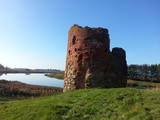 |
Piltene is one of the smallest and oldest cities in Latvia, first mentioned in 1295, and being granted the rights of a city in 1557. Between the 14th and 16th century, Piltene was the administrative centre for the Bishopric of Kurzeme. The historical streets that surround the castle ruins feature wooden buildings from the first half of the 19th century. The bishop’s castle in Piltene was built at the turn of the 14th century and used until the 16th century. Only its foundations and fragments of its tower on the banks of the Vecventa River survive. |
|
 |
Produktu izgatavošana no ārstniecības augiem - tējas, sīrupi, augu pulveri, ziedes. Pakalpojumu piedāvājums - ekskursijas, radošās darbnīcas, meistarklases, pirts. |
|


