
| No | Name | Description |
|---|---|---|
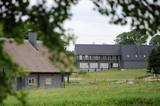 |
Lauku viensēta ar 8,9 ha lielu teritoriju atrodas Alītas rajonā, netālu no Simnas pilsētas pie gleznaina Atesio ezera Atesninki ciemā.100 m attālumā no ūdens ierīkots viesu nams ar 70 gultas vietām. Piemērota svinību un konferenču rīkošanai līdz 100 personām. Iespēja pašiem gatavot ēst, jo aprīkota ar plašu virtuvi. Lauku sēta radīta gan aktīvai, gan mierīgai atpūtai. Ir basketbola un volejbola laukumi, bērnu rotaļu laukums, dārzs, zvejas būdas, grilla vieta. Bezmaksas izmantojami 4 ūdens velosipēdi, kanoe vai koka laivas. Pirts patīkamai laika pavadīšanai. |
|
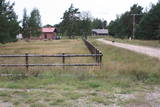 |
A long village stretching along both banks of the Lūžņa River. In 1937, there were 36 houses and two boat piers here. During the 1860s, ships were built here, but during the Soviet occupation, there were military bases there. During the 1930s, the village was visited several times by the Finnish linguist Lauri Ketunen and Estonian student Oskar Lorits. They were working on a Livonian dictionary. Another resident of Lūžņa was the first Livonian artist, Jānis Belte (1893-1946). The "Dēliņi" fisherman's homestead has been transferred to the Latvian Ethnographic Open-Air Museum and can be seen there. |
|
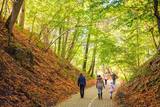 |
Šis ir viens no retajiem ceļiem, kurš saglabājies kā notikumu liecinieks. Ceļš ved no Krimuldas uz Siguldu. Jau vācbaltu apgaismotāja novadpētnieka – mākslinieka Johana Kristofa Broces 1794. gada zīmējumā "Siguldas un Krimuldas pilsdrupas" redzams lauku ceļš gar Krimuldas pili, pa kuru iet zemnieks un darba ratus velk zirgs. Lai braukšana pa Gaujas senlejas nogāzi ar zirga pajūgu būtu droša, ceļu izveidoja līkloča formā, tā uzbrauktuvi padarot daudz lēzenāku. Domājams, ka ceļš atjaunots 19 gs., kad Krievijas cars Aleksandrs otrais un viņa sieva ieradušies uz vizīti siguldā. Pāri ceļam bijuši vairāki mazi tiltiņi, ko iedzīvotāji dēvējuši par velna tiltiem. Tagad serpentīna ceļš kļuvis par romantisku pastaigu vietu. |
|
 |
The Vilciņi farm is one of the largest and most modern agricultural manufacturing companies in Zemgale, always using environmentally friendly methods. The farm is in the Krimūni Parish in the heart of the historical region of Zemgale. It was established in 1991 by the parents of the current owner, Arnis Burmistrs. Today the farm specialises in grain farming on ~2,200 ha of land. The farm uses precise agricultural methods to save money and preserve the environment and human health. It is actively involved in EU-financed projects, has a modern set of agricultural equipment, and has installed a local meteorological facility. Tours are available. |
|
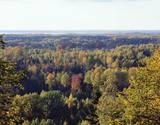 |
This is the highest point in the Latgale highlands (289 metres above sea level), opening up a narrow but lovely view of Lake Rāzna and the massive forests of the highlands. You really should visit this hill when the sun is setting beautifully!
|
|
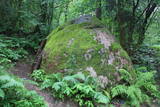 |
200 m attālumā no Gulbenes – Madonas ceļa mežainā nogāzē iegūlis 2,4 m augstais akmens. Tā lēzenajā virsmā iekalta ap metru gara, 0,3 m plata un ap 4 cm dziļa iedobe, bet akmens šķautnē - pakāpieni. Uzskata, ka šis ir sens kultakmens, pie kura ziedots. Lai nokļūtu līdz akmenim, vasaras otrajā pusē var nākties brist pa garu zāli. |
|
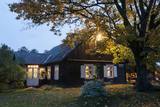 |
Stūrīši is a homestead owned by the Taisel family, offering a collection and a chance to taste Liv foods: fish soup, porridge, sprat sandwiches, pastries, etc. |
|
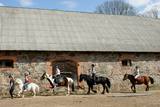 |
Sēlijā, Zasas muižas parkā, atrodas “Bērzzemnieki”, kur saimnieko Kalnāju ģimene. Atjaunojuši vēsturisko māju un ieveduši staļļos zirgus, ģimene sniedz viesiem iespēju iepazīt zirgus, piedalīties dažādos ikdienas darbos un doties izjādēs, kā arī nakšņot “muižiņā”. |
|
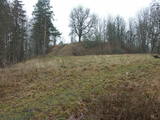 |
The Buse (Matkule) castle hill is near the Imula River. From the castle hill and from the opposite shore of the river, you can find one of the loveliest views of Kurzeme’s small rivers. Their appearance is best when trees and other flora are bare and the view is unimpeded. A wonderful view of the Imula valley is also seen on the road to the castle hill – near the Buse homestead.
|
|
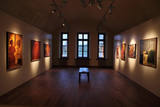 |
The Daugavpils Mark Rothko Art Centre is a multi-functional institution of culture, arts and education, located inside of the fortress' Arsenal building. It is a unique place in the Eastern Europe, where are located the original paintings of Mark Rothko – a great artist of the XX cent., a founder of the abstract expressionism movement, best known for his enigmatic color field paintings. |
|
 |
The farm dates back to 1992 and uses milk from its own cows. Tours are available along with tastings and purchase of products. Cheese can be ordered in advance. |
|
 |
Viitna Tavern is one of the few 19th C tavern and post station buildings preserved in Estonia to date. Originally landlords and other rich folk had their rooms and a horse stable in the building’s left wing; today it is a canteen and Estonian handicraft shop. The right wing was for peasant folk chambers and a stable; today it houses a restaurant featuring national dishes on its menu. |
|
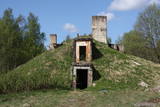 |
The former Soviet communications division at Plāņciems in the forests of Bārta is privately owned and is being dismantled at this time.
|
|
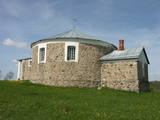 |
This chapel is interesting in form and made of field stones. It was built in the 19th century and is not open to the public. |
|
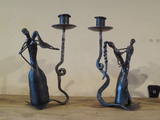 |
The smithy produces fencing, gates, wind gauges, chandeliers, household products and souvenirs. The craftsman will be happy to tell you about his work and to demonstrate his skills. |
|
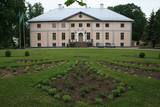 |
The manor’s castle was built in the middle of the 18th century (belonging to the noble kin of baron Medem) as a huntsmen castle. Later, in the 19th century, it was rebuilt by adding a second floor. The kitchen was situated in the vaulted basements of the castle and when the food was ready, it was brought upstairs in the elevator. The gantry entrance of the castle (late baroque) and marble buttons above it picturing the coat of amrs of the union of Medem and Keizerling noble kins, is one of the most valuable example of arts monuments of the 18th century. To this day there are various outhouses preserved- a threshing barn, a granary and a smithy, as well as the park. In front of the castle one can see a magnificent oak, which was supposedly planted by K.Ulmanis. From 1837 the manor’s castle has also served as a place for Vilce primary school. |
|
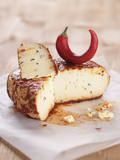 |
The Sierštelle factory is in the centre of Ogre, just half an hour from Rīga by car. The local “Police Academy” leisure venue offers cheese-based dishes from Sierštelle, as well as the sale of cheeses. Sierštelle offers 31 kinds of cheese, including savoury and sweet cheeses. One special recipe was born right there in Ogre at the popular Swimming Spa. |
|
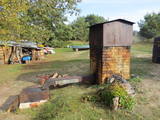 |
On the second Saturday of each month (or at other times that are arranged in advance), the owner will allow you to test your skills at smoking fish, after which you will be able to taste what you have produced. |
|
 4 days
|
A tour of professional farms to offer a look at modern and technologically developed farms. During the introductory day, participants will tour Rīga, which is part of the UNESCO List of World Heritage, and the Rīga Central Market, which is one of the largest closed markets of its type in Europe. The next day there will be a meeting with specialists from the Latvian Agriculture Ministry and agricultural NGOs. Next we will tour an ecological facility for farm waste, which is a pan-European initiative in the context of which heat that is manufactured is used to heat greenhouses, thus ensuring an ideal environment for farming (flowers and tomatoes). We will visit innovative farms that collect birch juice for products such as biological birch juice wine (rose, semi-sec), biological birch juice foaming wine, birch juice lemonade, and syrup. The next morning will begin with a visit to a farm that produces high-quality vegetables and potatoes, successfully dealing with the storage and sale of it produce, as well as with logistical aspects of the process. Along the way, we will visit the ruins of the Koknese castle, which is on the banks of Latvia’s legendary Daugava River. We will also visit a farm that grows hemp for various food products. We will spend the night at an aristocratic estate that is now a complex for accommodations and spa treatments. The next morning, we will be off to one of Latvia’s newest beer breweries for a tour and tastings. Around noon, we will visit a farm that manufactures co-generated biomass head during the winter and heats greenhouses. We will return to Rīga in the evening. |
|
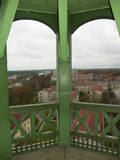 |
From the tower of St Simon’s Lutheran Church, you can see the central part of Valmiera and the banks of the Gauja River. During clear weather, you can see Zilaiskalns Hill. The church contains some cultural and historical treasures, as well as one of Latvia’s most resonant pipe organs.
|
|


