
| No | Name | Description |
|---|---|---|
 |
Sudrabkalni – a former pharmacy and medical treatment facility until the late
1980s, then an elementary school, and now a private residence.
|
|
|
|
Iekārtots bijušā Džūkstes – Lancenieku skolā, kur ikviens var iepazīt mūsu „Pasaku tēva” – Anša Lerha-Puškaita devumu folkloras mantojuma vākšanā.
|
|
|
|
The mouth of the most beautiful river of Vidzeme. On the seashore between the mouths of River Gauja and River Daugava, one of the largest dune ranges in Latvia with distinctive parabolic dunes overgrown with forest (wooded dunes) is situated. The Mouth of River Gauja is unique as it is one of the few major rivers in Latvia and in EU countries to flow into the sea naturally. There is no harbour or other hydro-engineering construction. It is a popular recreation area in the vicinity of Riga and Saulkrasti while, unfortunately, the lack of infrastructure makes it suffer from anthropogenic load. Not far from the rivermouth, hidden in dunes, there are pillboxes which were built in 1920 or 30ies as anti-airborne barriers. There was a whole range of them along the coastline from the mouth of the River Lielupe to the mouth of the River Gauja forming a part of the Daugavgrīva Fortress fortifications. The pillbox is made of concrete, ca 1.5m thick. Every year, on the 3rd Sunday in August, a lamprey festival takes place in Carnikava town by the Gauja rivermouth. Carnikava is called the Lamprey Capital as it is famous for its lamprey fishing tradition and generous catches. The Mouth of the River Gauja is a good bird-watching area, especially in spring and autumn when one can observe the highest variety of species. Just few of the many bird species that can be observed near the Gauja rivermouth |
|
 2 days
|
Это поездка предназначена для компании друзей или рабочего коллектива, желающих как активно провести выходные, так и узнать о кулинарном наследии Курземе и попробовать экологически чистые продуты. Во время поездки Вы в сопровождении гида и при свете факелов изведаете Северные форты Военного городка Лиепаи, ознакомитесь с разнообразием побережья Балтийского моря и увидите леса Шлитере с высоты птичьего полета с маяка Овишу. На второй день Вы можете пройтись пешком по двум природным тропам, что будет как полезно для здоровья, так и познавательно. |
|
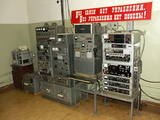 |
This extremely secret bunker was one of the most important facilities in Soviet Latvia in the event of a nuclear attack. Under the code name of “Rest Home,” the bunker is nine metres under the ground at the Līgatne Rehabilitation Centre, and it would have been the place where Soviet Latvian government officials would have gone in the event of an attack. The status of a secret object was lifted only in 2003. The underground installation has been preserved fully.
|
|
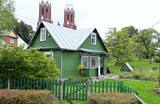 |
Established in 1990, this museum features an orchard that was planed in 1935 and relates to the poetess Brone Buivydaite. |
|
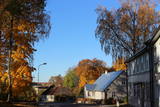 |
Durbe is the smallest town in Latvia with a distinguished history, as well as the smallest city in the country in terms of population (some 500 residents). Durbe was first mentioned in a Courlandian document. In 1260, there was a legendary battle at Durbe between the joint forces of the Livonian Order and the German Order and local tribes, including Courlandians who left the German forces to join the tribes. One of Latvia's first professional gardeners, Sīmanis Klevers (1834-1922) lived and worked in Durbe, and it is thanks to him that the local gardens feature many rare types of apple trees. The herald of Durbe, which was approved in 1925 features a silver apple tree. Several local farms have fruit orchards, and there are many active gardeners. An apple festival is held each September in Durbe. |
|
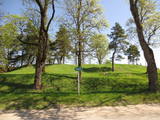 |
Is an ancient Courlandian castle hill and is found in the very centre of Alsunga. It was named in 1659 when General Berg from Kurzeme put cannons on it to attack Swedish forces that had fortified themselves in the Alsunga castle. The hill is 8 to 10 metres high and 24 x 54 metres wide, offering a lovely view of the St Michael Roman Catholic Church, as well as the Alsunga windmill lake that is alongside it. There is a distinct terrace around the hill, and it once was the foundation of wooden defensive structures. On the other side of the street, to the West of the castle hill, is a cemetery with fire graves of Courlandians that date back to the 11th to 13th century. Archaeologists examined the area during the middle part of the last century. The Suiti celebrate Easter and other holidays on the hill. |
|
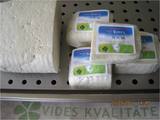 |
Here you can tour a farm which features goats, horses, rabbits, fowl and livestock. Equine therapy is available, as are horseback, pony and carriage rides. You can purchase goat milk, cheese, cottage cheese, kefir and yogurt. |
|
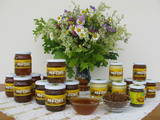 |
This farm has some 150 hives of bees which are carefully tended by beekeepers. The farm also produces nectar plats such as buckwheat, clover and phacelia. You will learn all about beekeeping and taste and purchase beekeeping products. |
|
 |
The Lojas farm in the Mazsalaca Administrative District is a mixed-use farm, including grain farming (wheat, barley, rye, rapeseed) and manufacturing of straw granules as litter for animals. The farm breeds beef cattle. |
|
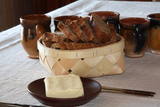 |
This is an authentic Lettigalian farm which dates back to the early 20th century. It features a house, granary, cattle shed, sauna and smithy. Folklore groups perform here. You can celebrate the Summer Solstice, attend a St Michael’s Day market and learn ancient craftsmanship skills. Lettigalian foods are served to groups. |
|
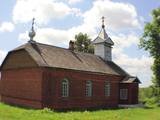 |
Bоrisovas St. Nikolay Old-Believers Prayer House was built in the period of 1911 – 1921 . The different feature of the Prayer House is a brick building placed on the hill. The bell of the temple was specially
ordered and brought from St. Petersburg. The bell has a very soft sound.
|
|
|
|
Gebaut am Ende des 18. Jh. im Stil des Frühklassizismus als der Besitz der Grafen von Mellin. Saaldekorationen vom künstlerischen Wert von K. V. Kalopka (1792) und Öfen (Ende des 19. Jh.). Ein Park. |
|
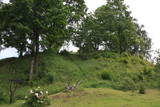 |
Atrodas 0,3 km ziemeļos no Vecpiebalgas pilsdrupām. Ap 10 m augsto, bet visnotaļ izteiksmīgo Grišku kalnu sauc arī par Piebalgas, Balgas un Veļķu pilskalnu. 13. gs. šeit bijusi svarīga apmetnes vieta ar mākslīgi nostāvinātām nogāzēm un dziļu aizsarggrāvi. Vēstures notikumi ir atstājuši ap metru biezu kultūrslāni. Bezlapu laikā no kalna paveras skats uz Vecpiebalgas baznīcu un pilsdrupu vietu. Pilskalna piekājē ir aka ar Griškavotu. |
|
 |
Sprižu ģimenes bioloģiskā saimniecība "Dabas Gardumi" atrodas Mārupes novadā un tā apsaimnieko ogulājus 23 ha platībā. Audzē avenes, upenes, jāņogas, ērkšķogas, sausseržus, piparmētras, ābolus, plūmes u.c. Visas ogas svaigā veidā tiek piedāvātas sezonas laikā, kā arī tiek pārstrādātas, no kurām ražo dažādus augļu - ogu gardumus: augļu-ogu bumbiņas, salmiņus, sulas, marmelādes un tējas. Saražotā produkcija ir dabiska, garšīga, veselīga, šķiedrvielām un vitamīniem bagāta, jo pārstrādes procesā augļiem, ogām un garšaugiem tiek saglabāts pēc iespējas lielāks tā dabiskais sastāvs. Pārsvarā gardumi top no pašu izaudzētiem un savāktiem dabas izejmateriāliem (augļi, ogas, garšaugi), ražotajiem produktiem netiek pievienots cukurs, līdz ar to augļu-ogu gardumi ir lieliska gan ikdienas, gan svētku uzkoda kā maziem, tā arī lieliem baudītājiem. |
|
 |
A place to enjoy the architecture of Cēsis and a northern-inspired meal. The chef's creative work includes popular Nordic products such as trout, elk and venison meat, chanterelles, wild berries, and smoked flavours, as well as dishes from international cuisine. |
|
 |
On the second Saturday of each month, farmers, home manufacturers and craftspeople gather together to offer their products. You will always find tasty and useful things here. |
|
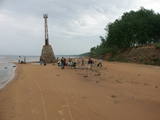 |
Ķurmrags is one of the most distinct capes along the Vidzeme shore of the
|
|
 |
The main building of the grand manor Alatskivi has a restaurant serving local specialities. The rich history of the manor house connects Estonian peasant culture, Baltic-German culture and Scottish culture depicted in the manor's architecture. The restaurant menu combines these three values. Favourites of the guests are Peipus pike perch and pork chop, but many guests also love the surprising Scottish dessert and local onion jam. |
|


