
| No | Name | Description |
|---|---|---|
 |
One of the leading Latvian sauna experts, Ziedonis Kārkliņš, uses the energetic properties from various plants. More than 12 different plants are combined at once. Natural cosmetics and materials (mud, amber, stones etc.) used during rituals. He also uses ancient Baltic energy signs. |
|
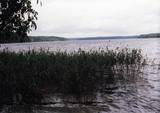 |
Ap 9,5 km garais un līdz kilometru platais ezers atrodas subglaciālā – t.i. ledāja veidotā vagā, tādēļ tas ir ne tikai Lietuvas, bet arī otrs Baltijas dziļākais ezers (pēc dažādiem avotiem 60,5 m vai 62,5 m). Tauragna dienvidu krastā paceļas Taurapils pilskalns (Taurapilio piliakalnis). Saglabājušies nostāsti gan par pagānu priesteri, kas te dzīvojis, gan nogrimušu baznīcu, gan laikiem, kad pilskalnu no visām pusēm apņēmis ūdens. No pilskalna plakuma paveras visaptverošs skats uz Tauragnu. |
|
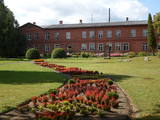 |
The centre was opened in 2018 with the aim of facilitating tourism in Alsunga and the historical Suiti territory and to offer information about the district, thus establishing a positive and attractive image for Alsunga and the historical territory in Latvia and abroad. |
|
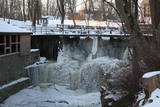 |
Atrodas pie Kuldīgas pils dzirnavām, kur straujā Alekšupīte pirms ietekas Ventā izgrauzusi dziļu „kanjonu” dolomītā. Šo dēvē par vienu no augstākajiem Latvijas ūdenskritumiem (4,15 m). 17. gs. ūdenskritumu ievērojami pārveidoja – paaugstināja un nostiprināja, lai Alekšupītes straumi izmantotu dzirnavu darbināšanai. Upītes kreisais krasts ir labiekārtots. |
|
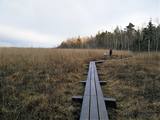 |
Taka atrodas Riekstusalas pussalā, netālu no putnu vērošanas torņa. Uz peldošiem pontoniem celtā laipa iepazīstina ar Kaņiera ezeru „tuvplānā”. Var iepazīt niedrājus, to putnus, labi redzamo ezera gultni ar zivju mazuļiem un kalcifilām augu sabiedrībām. Laipa aizved līdz salai, uz kuras aug kadiķi. |
|
 3 days
|
The route leads from Riga, the capital of Latvia through beautiful countryside areas to Kaunas, the second largest city of Lithuania. Klūgu landscape garden and park is famous for begonias. Institute of horticulture in Dobele owns a collection of over 200 types and forms of lilac plants. The “Beautiful&Practical” garden is proud of its collection of conifers, and the hosts offer tastings of herbal spice powders, dried berries and fruit. “Rūķīšu tea” is one of the largest farms for medicinal plants in Latvia (purple coneflowers, marigolds, chamomile, etc). Enjoy the beauty of peonia in the collection garden by Andris Berkins. Viestardi tulip garden also grows and processes buckthorn. Next stop is at the vegetable and herb farm “Healthy” producing herbal ointments. Visiting Mint House you will taste mint tea, biscuits, honey with peppermint and peppermint syrups. At Blankenfelde manor you will see a collection of bells and will enjoy natural juices, syrups and pickles produced in-house. In Joniškis, you can visit the White and Red Joniškis Synagogues, the Joniškis Church of the Assumption of the Virgin Mary, and the Joniškis Museum of History and Culture. Jakiškiai Manor has not been renovated and shows authentic elements like ovens, shutters, stairs, doors. There are about 30 different species and varieties of plants growing on the grounds of the Baltic Plant Museum. Šiauliai University Botanical Garden demonstrates heritage rural plant gardens arranged according to the traditions of pre-war, inter-war and post-war periods. Burbiškis Manor and its beautiful landscape and sculpture park is a home to the annual tulip festival. Authentic homesteads representing Aukštaitija region can be seen at Kleboniškiai Rural Household Museum. Baisogala Manor is called royal, since it once belonged to a Lithuanian Grand Duke, its 12-hectare park is one of the most beautiful in Lithuania. There are two beautiful heritage gardens surrounding the museum of Mačiulis-Maironis, a famous Lithuanian poet. Home produced “Happy Foods” can be bought from Garsi Tyla homestead, and you can have a walk in their 100-year-old orchard and see the culinary herb garden. The Lithuanian Institute of Horticulture carries out both scientific and experimental/production activities. You can also buy seedlings, and seasonal fruit and vegetables. At Tadas Ivanauskas Homestead at Obelynė Park you will see a collection of 300 species and forms of plants, including some of the oldest trees on the planet – the ginkgo biloba and the dawn redwood. In Kaunas you will see the Oldest Apple Tree in Lithuania – almost 360years old, 8 metres tall, with a girth of 285 centimetres at a height of 1.3 metres. The Vytautas Magnus University Kaunas Botanical Garden exposes the Lithuanian Heritage flower garden plants according to their botanical classification. The tour ends in Kaunas that was the capital of the country from 1920 until 1939. |
|
 |
This former training route runs through the shoreline forests from the northern part of Ventspils (there was once a tank division in Ziemeļu Street there) all the way to Ovīši. Today it is a wide, sandy and overgrown track.
|
|
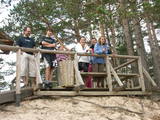 |
The trail climbs up and down along the bluffs of lower River Pilsupe and reveals a fascinating sight of three white dune exposures (the largest is called the White Dune). The dune range has formed in the period of the Littorina Sea several thousands of years ago. The time required to walk the trail is ~0.3 h. Evidence of Stone Age settlements have been found in the vicinity. |
|
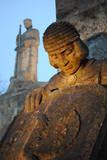 |
Brāļu kapos apbedīti aptuveni 2000 karavīru. Pirmos kritušos strēlniekus — Andreju Stūri, Jēkabu Voldemāru Timmu un Jāni Gavenasu — apbedīja 1915. gada 15. oktobrī. Sākot ar 1915. gadu, kapos sāka apbedīt Pirmā pasaules kara kaujās kritušos strēlniekus, vēlāk Februāra revolūcijas laikā nošautos kareivjus. Stučkas valdības laikā 1919. gada pavasarī šeit apbedīja Brīvības cīņās pret vācu vienībām un Dienvidlatvijas brigādi kritušos latviešu strēlniekus. Pirmās Latvijas brīvvalsts laikā Brāļu kapos apbedīja ap 800 Latvijas armijas kareivjus un virsniekus. 1941.—1942. gadā Brāļu kapos apbedīja 15 nacionālos partizānus, kā arī pārapbedīja komunistiskā režīma terora upurus. Līdz 1944. rudenim šeit apbedīja arī vairākus desmitus bijušās Latvijas armijas virsnieku un karavīru, kuri bija dienējuši Latviešu policijas bataljonos un Latviešu leģionā. Abās pusēs ieejas vārtiem (augstums 10 metri, platums 32 metri) divas jātnieku skulptūru grupas (augstums 3,3 metri). Liepu gatve (205 metri) savieno vārtus ar galveno terasi, kuras centrā novietots 1 metru augsts mūžīgās uguns altāris, bet abās pusēs ozolu birzis. No terases abpusējas kāpnes ved uz regulāri veidotu kapulauku. Tā malās atrodas divas "Mirstošo jātnieku" skulpturālās grupas (augstums 3,6 metri), vidus daļā atrodas augstcilnis "Kritušie brāļi". Pret katru kapa vietu novietota smilšakmens vai plienakmens plāksnīte ar kritušā uzvārdu un vārdu vai uzrakstu "Nezināms". Ansambli noslēdz 6 metrus augsta siena ar Latvijas apriņķu un pilsētu vēsturiskajiem ģerboņiem. Pie sienas atrodas četri senlatviešu karavīru tēli, kas simbolizē Latvijas novadus - Kurzemi, Zemgali, Vidzemi un Latgali, bet tās centrā uz 9 metrus augsta sienas masīva paceļas monumentāla figūra "Māte Latvija", kas noliekusi vainagu pār kritušajiem dēliem. Brāļu kapu memoriālais ansamblis ir izcirsts no Allažu šūnakmens, izmantots arī Itālijas travertīns un smilšakmens. Pirmmetu izstrādāja tēlnieks Kārlis Zāle, arhitekts Aleksandrs Birzenieks, Pēteris Feders un Andrejs Zeidaks. |
|
 |
The farmstead "Vitolini" specializes in horse breeding, as well as horse-riding lessons. It is possible to go horse-riding in the forest or to take a ride in a horse team. |
|
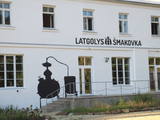 |
True Latgalian Apple Cider from Malnava Manor Our Story Apples Cider For Visitors Where to Buy |
|
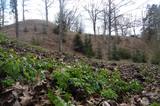 |
The Buse (Matkule) castle hill is next to the Imula River. The hill and the opposite bank of the river offer one of the loveliest views of small rivers in Kurzeme. They are best seen during the season when trees are bare so that leaves do not cover up the landscapes. There are trails for pedestrians in the area. |
|
 |
The Juniper, a symbol of the island of Saaremaa, is also a valuable syrup. Guests will find out a lot about junipers. From spring to autumn you can enjoy the splendour of the garden, as well as look inside the ancient peasant's house. |
|
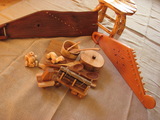 |
Guntis Niedoliņš is a master craftsman, and at this workshop he manufactures wooden jewellery, furniture, interior design objects, spoons, shovels, etc. |
|
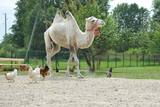 |
A park of exotic animals in Dundaga features alpacas, llamas, ostriches, a camel, a blue cow, etc. |
|
 |
ZS "Jundas" Bauskas novada Vecsaules pagastā saimniecisko darbību uzsāka 2016. gadā. Audzē gaļas šķirņu krustojumu liellopus, tos nobarojot gaļas ražošanai. Strādā atbilstoši bioloģiskas saimniekošanas prasībām. |
|
 |
Laila Kelle works in a building of the former Lamiņi semi-estate. She teaches drawing and painting of landscapes and still life paintings, using oil paints for this purpose. Nature trail (3km).
|
|
 |
Meklējams pie Pāvilostas tilta pār Saku (Meža iela). Te apskatāms 2005. g. restaurētais un uz postamentiem novietotais Pāvilostas zvejnieku kuģis, ar kādu tie zvejoja pagājušā gadsimta 50. – 60. gados. Šāda tipa kuģus būvēja Vācijas Demokrātiskajā republikā. |
|
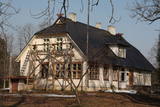 |
Several of the buildings of the Šlītere Semi-Estate have survived to the present day – the servants' house (late 19th century), the pump house (mid-19th century), the smokehouse (mid-19th century), the cattle barn, etc. A forestry building was built here in 1936 and renovated in 2010. Since the end of 2009, the administration of the Slītere National Park has been housed here. Today the building also houses the Kurzeme regional branch of the Environmental Protection Board. Opposite the building are two yews, and there is a productive ivy which has covered the northern side of the servants' house. The common yew and the Baltic ivy are symbols of Šlītere, and you can see and photograph them here without "bothering" them in their natural environment. The pump house contains a well that is unique in Latvia – it is 34 m deep, which is nearly the height of the Blue Hills of Šlītere. It reportedly was active until the 1970s and delivered water to the forestry system. A fragment of the stone well can be seen as a part of the wall of the pump house. The semi-estate is surrounded by small elements of a park, including an impressive alley of elm trees. Locals says that pre-war Latvian President Kārlis Ulmanis spent the night at the building once while on a hunt. |
|
 4 days
|
The trip starts in Kuldīga – a jewel among the old towns in Kurzeme. The town centre is home to historic buildings dating back to the 17th – 19th century. Cobbled streets of Kuldīga, old buildings, the river Alekšupīte, running through the town, St. Catherine’s Church and organ music concerts in it, gourmet restaurants and a country delicatessen shop in the town centre is a great travel experience to enjoy in a leisurely ambience of a small town. The red-brick bridge over the river Venta is a landmark of the town. The widest waterfall of Europe, Ventas rumba (width ~100 m) lies on the Venta. Venta river promenade is a popular place for walking along the riverbank. A private transfer will take you from Kuldīga to the village of Snēpele, where you will start your hike. The trail will take you to the Pelči Manor, the manor park and the deer park next to the guest house “Mazsālijas”. Next, the Forest Trail will lead you through the Abava River Valley Nature Park up to the town of Sabile. The latter is home to a winery and cider house “Sabiles Sidra nams”, which offers tastings and sells the local wine and cider. The section along the Abava River Valley Nature Park is the most diverse in terms of landscape and terrain of a river valley in Kurzeme. The river valley with its numerous habitats and vast biodiversity reaches a depth of 30–40 m and is more than 300 m wide. One will find springs, waterfalls, rock outcrops, and boulders here. After the Forest Trail has meandered through meadows, oak forests and hillocks it finally reaches the town of Kandava. |
|


