
| No | Name | Description |
|---|---|---|
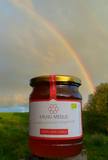 |
Possibly the highest bee apiary in the Baltics, about 300 m above sea level. Organic beekeeping products are harvested in Gaiziņkalns and its surrounding area. We offer excursions in the farm, bee apiary workshops, tasting of beekeeping products. |
|
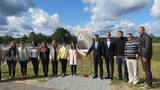 |
The memorial to the day when people in the Baltic States joined hands in an unbroken chain stretching from Tallinn through Rīga and on to Vilnius on August 23, 1989, is at the 25th kilometre of the Rīga-Bauska highway, near the little Ķekaviņa River. |
|
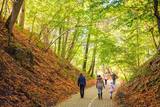 |
Šis ir viens no retajiem ceļiem, kurš saglabājies kā notikumu liecinieks. Ceļš ved no Krimuldas uz Siguldu. Jau vācbaltu apgaismotāja novadpētnieka – mākslinieka Johana Kristofa Broces 1794. gada zīmējumā "Siguldas un Krimuldas pilsdrupas" redzams lauku ceļš gar Krimuldas pili, pa kuru iet zemnieks un darba ratus velk zirgs. Lai braukšana pa Gaujas senlejas nogāzi ar zirga pajūgu būtu droša, ceļu izveidoja līkloča formā, tā uzbrauktuvi padarot daudz lēzenāku. Domājams, ka ceļš atjaunots 19 gs., kad Krievijas cars Aleksandrs otrais un viņa sieva ieradušies uz vizīti siguldā. Pāri ceļam bijuši vairāki mazi tiltiņi, ko iedzīvotāji dēvējuši par velna tiltiem. Tagad serpentīna ceļš kļuvis par romantisku pastaigu vietu. |
|
 |
The restaurant is at the bridge across the Salaca River, offering traditional Latvian dishes, as well as dishes from other European countries. Latvian cuisine: Sprats with egg, fish soup, farmer’s breakfast, cooked butter beans, chicken livers with mashed potatoes, Kurzeme stroganoff, potted farmer’s stew, crepes and potato pancakes with potatoes, stacked rye bread. Special foods: Homemade sheet pastry. |
|
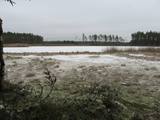 |
This is one of the most impressive and extensive natural structures of its kind in Latvia in terms of appearance and landscape. The ice age left behind this wall-like terrain, which is up to 27 metres high and at the top of which the Rīga-Ērgļi road has been built. The Great Kangari hills offer a view of the Great Kangars lake and the Great Kangari swamps and ponds. The Ķoderi castle hill, also known as the “Big Man’s Bed” is found here. The restricted area was established to protect the structure and its related biotopes and plants.
|
|
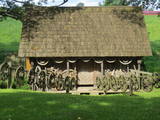 |
Saimnieks Valentīns Kuklis savā viensētā izveidojis no koka un citiem materiāliem un vēsturiskiem priekšmetiem veidotu brīvdabas kolekciju, kas savākta g.k. no Latgales lauku sētām. Daļa no vēsturiskajiem priekšmetiem ir izvietota saimnieka veidotā muzejā. Piedāvā ekskursiju un stāstījumu par savāktajiem darbarīkiem un sadzīves priekšmetiem. |
|
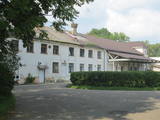 |
The first Mālpils dairy began operations in 1923 and manufactured butter and cheese. During the 1970s, the first soft and unfermented cheese in Latvia, “Mālpils Cheese” was produced here. Apply in advance for a tour of the company and a tasting of its products. You can purchase the products from the company’s warehouse. |
|
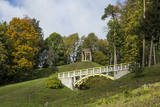 |
Temple Hill is steep (with artificially created steepness) and about 30 m high, and it is opposite Marijas Island. It is an ancient Lettigalian castle hill, 80 m long and 40 m wide, with several artificial ramparts. One of the oldest objects found in the region is an axe from the 2nd to 3rd millennium BC. Archaeologists believe that the island was populated at that time. There was a Lettigalian castle on the hill during the 10th and 11th century, but it was sacked by the Holy Crusade. The surface of the castle hill was transformed comparatively recently in 1807, when a granite rotunda was built there in honour of Russian Field Marshall Sheremetev and Swedish captain Wulff. The view of Lake Alūksne and the town is one of the most beautiful ones in all Vidzeme. The Sun Bridge (1937) is also worth a look. A wooden viewing platform is nearby. |
|
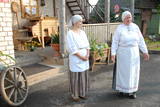 |
At this museum, you will learn all about the baking of bread from grain to loaf, and you can make your own loaves, too. You can taste bread and herbal teas. There are theatrical performances related to christenings, weddings, birthdays, etc. Local foods such as dumplings and soups made of dried mushrooms or lake fish are served. The museum sells freshly baked bread, as well as the work of local craftspeople. The hostess is a master baker and a member of the Chamber of Crafts. Latvian cuisine: Lake fish soup, cottage cheese dumplings and other traditional Lettigalian dishes. Special food: Soup of dried mushrooms. |
|
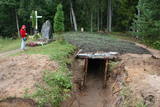 |
In October 1948, nationalist partisans who opposed the Soviet regime built a 9x6 m bunker in the forests of Īle for themselves. Five months later, the KGB attacked the bunker. After five hours of gunfire, 15 partisans lay dead, and another nine were captured. The bunker has been restored in commemoration of this event, and it is open to visitors.
|
|
 6 days
|
Onions, fish, villages that stretch out for several kilometres where the buildings are lined along the main street, ornate Old Believers' churches, small harbours with fishing boats and wooden houses, each painted in a different colour! Cafés, shops and a view of Lake Peipus, which looks more like a sea than a lake. This could be the description of this tour. This tour is a very interesting part of the Forest Trail, which will give you an opportunity to see and enjoy the Lake Peipsi region, the culture and lifestyle of local people as well as the nature. The tour will start in Tartu – Estonia’s second biggest city. You will go by bus from Tartu to Varnja where you will start to hike. During the tour you can visit Kostja’s onion farm, where the host welcomes guests and presents onion cultivation. It is also worth visiting the Chicory Museum in Kolkja to get acquainted with the history of chicory cultivation in row villages near Lake Peipus. You will also see Alatskivi Castle. In Avinurme we suggest visiting the Avinurme wooden handicraft centre and get acquainted with the local woodcraft, spend quality time in woodworking workshops and taste or even prepare yourself a selection of Estonian traditional foods. At the end of the tour you will return to Tartu by bus. |
|
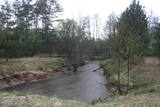 |
Nature restricted area is located to the South from former railroad Ventspils-Liepaja and includes approximately 6 km of Uzava River (and the old drainage system). The territory was used for agriculture during Soviet time, now it starts overgrow by scrubs. The protected nature values – rare bird species, including corncrakes, variety of grassland habitats and plant species. Territory is not useable for tourism activities. There is a possibility to get good insight into the North part of restricted area from the road Alsunga – Berzkalns where information stand is located.
|
|
 |
Latviskais pirts rituāls ozola ieskautā lauku pirtiņā. Pirts procedūrās tiek izmantoti dabīgi un pašgatavoti materiāli (augu un zaru slotiņas, skrubīši, lāvas paklājiņi, tējas u.tml.), skaņu instrumenti (sajūtu bunga, zvanga, lietus koki, zvaniņi u.c.), klūgu slotiņas, latviešu tautas dziesmas, labi un stipri vārdi. |
|
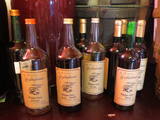 |
The farm grows fruit trees and raspberries, and it makes homemade wines from various fruits and berries, including raspberries, black currants and apples. You can purchase products, and groups of up to 25 people can attend wine tastings in a very fine hall. |
|
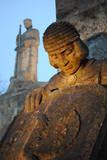 |
Brāļu kapos apbedīti aptuveni 2000 karavīru. Pirmos kritušos strēlniekus — Andreju Stūri, Jēkabu Voldemāru Timmu un Jāni Gavenasu — apbedīja 1915. gada 15. oktobrī. Sākot ar 1915. gadu, kapos sāka apbedīt Pirmā pasaules kara kaujās kritušos strēlniekus, vēlāk Februāra revolūcijas laikā nošautos kareivjus. Stučkas valdības laikā 1919. gada pavasarī šeit apbedīja Brīvības cīņās pret vācu vienībām un Dienvidlatvijas brigādi kritušos latviešu strēlniekus. Pirmās Latvijas brīvvalsts laikā Brāļu kapos apbedīja ap 800 Latvijas armijas kareivjus un virsniekus. 1941.—1942. gadā Brāļu kapos apbedīja 15 nacionālos partizānus, kā arī pārapbedīja komunistiskā režīma terora upurus. Līdz 1944. rudenim šeit apbedīja arī vairākus desmitus bijušās Latvijas armijas virsnieku un karavīru, kuri bija dienējuši Latviešu policijas bataljonos un Latviešu leģionā. Abās pusēs ieejas vārtiem (augstums 10 metri, platums 32 metri) divas jātnieku skulptūru grupas (augstums 3,3 metri). Liepu gatve (205 metri) savieno vārtus ar galveno terasi, kuras centrā novietots 1 metru augsts mūžīgās uguns altāris, bet abās pusēs ozolu birzis. No terases abpusējas kāpnes ved uz regulāri veidotu kapulauku. Tā malās atrodas divas "Mirstošo jātnieku" skulpturālās grupas (augstums 3,6 metri), vidus daļā atrodas augstcilnis "Kritušie brāļi". Pret katru kapa vietu novietota smilšakmens vai plienakmens plāksnīte ar kritušā uzvārdu un vārdu vai uzrakstu "Nezināms". Ansambli noslēdz 6 metrus augsta siena ar Latvijas apriņķu un pilsētu vēsturiskajiem ģerboņiem. Pie sienas atrodas četri senlatviešu karavīru tēli, kas simbolizē Latvijas novadus - Kurzemi, Zemgali, Vidzemi un Latgali, bet tās centrā uz 9 metrus augsta sienas masīva paceļas monumentāla figūra "Māte Latvija", kas noliekusi vainagu pār kritušajiem dēliem. Brāļu kapu memoriālais ansamblis ir izcirsts no Allažu šūnakmens, izmantots arī Itālijas travertīns un smilšakmens. Pirmmetu izstrādāja tēlnieks Kārlis Zāle, arhitekts Aleksandrs Birzenieks, Pēteris Feders un Andrejs Zeidaks. |
|
 |
Atrodas sporta un atpūtas kompleksā „Trīssaliņas”. No torņa paveras pievilcīga apkaimes ainava, kas īpaši skaista ir pieneņu ziedēšanas laikā. |
|
 |
The saloon is on the edge of the Rīga-Daugavpils road (A6), works with local fishermen, and grows herbs and greens in its own garden. Latvian cuisine: Cold soup, sorrel soup, chanterelle, soup, potato pancakes, filet of Daugava catfish, bream or pike-perch. |
|
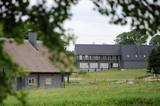 |
Lauku viensēta ar 8,9 ha lielu teritoriju atrodas Alītas rajonā, netālu no Simnas pilsētas pie gleznaina Atesio ezera Atesninki ciemā.100 m attālumā no ūdens ierīkots viesu nams ar 70 gultas vietām. Piemērota svinību un konferenču rīkošanai līdz 100 personām. Iespēja pašiem gatavot ēst, jo aprīkota ar plašu virtuvi. Lauku sēta radīta gan aktīvai, gan mierīgai atpūtai. Ir basketbola un volejbola laukumi, bērnu rotaļu laukums, dārzs, zvejas būdas, grilla vieta. Bezmaksas izmantojami 4 ūdens velosipēdi, kanoe vai koka laivas. Pirts patīkamai laika pavadīšanai. |
|
 |
The farm boasts one of the most attractive gardens in Viljandi County and is a feast for the eye for both seasoned gardeners and nature lovers. A footpath takes visitors from the garden to the edge of Paistu primeval valley. |
|
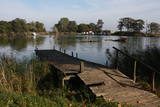 |
1855, als einen Schiffahrtsweg getieft wurde, wurde im Haff unerwartet eine Bernsteinablagerung gefundet. In der Zeit zwischen 1860 und 1890 wurde dort 2250 Tonen Bernstein gewonnen, einbezogen einzigartige Bernsteingegenstände aus der Jungsteinzeit und der Bronsezeit. |
|


