
| No | Name | Description |
|---|---|---|
 |
Valkas novadā esošā saimniecība "Kurģi" ir vieta, kur braukt atpūsties gan ģimenēm, gan draugiem. Viesiem tiek piedāvātas izjādes zirga, ponija mugurā, pajūgs gan ģimenēm, gan kāzām. |
|
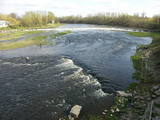 |
Above and below the town of Kuldīga, the Venta River is distinguished by a variety of biotopes – hillside forests, sandstone and dolomite cliffs, meadows, protected plants and animals, and diverse landscapes. There are popular tourism objects in this part of Kurzeme – the Venta dam, the stone bridge of Kuldīga, the Veckuldīga castle hill, etc. An ecological tourism trail runs along the banks of the Venta, and a bicycling trail has been installed on its left bank. |
|
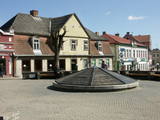 |
Tukums in the historical sources is mentioned in 1253 agreement of the Livonian Order and the Bishop on the division of Kursa. If the town's name is translated from the Liv language, it means "a pile, mountains of sand". at the beginning of 14th century German merchants and craftsmen settlement was formed at the Livonian Order stone castle, whose flowering was facilitated by the proximity of Riga - Prussian road. Later the city was largely influenced by the construction of Riga - Tukums railway in1877. During the Soviet period the on the eastern outskirts of Tukums, the largest Soviet military airfield and military town in the Baltic States was deployed. Today Tukums is a district centre of the same name with a wide range of services offered to tourists. |
|
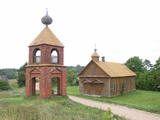 |
One of the most unusual houses of worship in the national park, this one has a red brick tower, and together with local residential buildings it makes up an interesting cultural landscape. The prayer house is not open to the public. |
|
 |
Getliņu ekoloģiskais poligons ir Latvijā unikāls piemērs ekoloģiski saderīgu darbības virzienu ieviešanai. Tā energobloka saražotais siltums tiek izmantots siltumnīcu apsildei, kas nodrošina ideālu vidi lauksaimnieciskai ražošanai (puķes un tomāti - lielaugļu tomāti, tumšsarkanie tomāti, aveņkrāsas ķekartomāti) gada aukstajos mēnešos. Poligona teritoriju (zālāju) nogana ar aitu ganāmpulka palīdzību. |
|
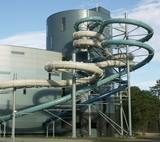 |
Der älteste und größte Kurort Litauens (seit 1794). Mikroklima (Luft der Umgebungswälder), salzhaltigee Quellen, Heilschlamm. Die Altstadt ist ein städtebauliches Denkmal. |
|
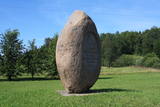 |
The G.F. Stender Museum is at the former Laši pastoral estate, 500 m to the Northeast from the Nereta-Ilūkste road. Gotthard Friedrich Stender (1714-1796), also known as Old Stenders, was the author of the first broader Latvian language grammar book (1761), the first Latvian-German and German-Latvian dictionary (1789), the first Latvian primer (1782), and the first illustrated primer, “ABC of Pictures” (1787). He worked as a pastor in Sēlpils and Sunākste and was born at the Laši pastoral estate, at which one of the buildings now contains a small museum. A memorial stone (sculptor I. Folkmanis, architect N. Tamane) is alongside the Nereta-Ilūkste road. |
|
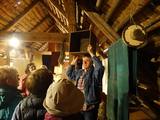 |
The museum at Egļava has an exhibition about forestry in Latvia before and after World War II. The exhibit features forestry tools and equipment, as well as textiles from the former Balvi District along with samples of ceramics and woodworking. The former forest ranger house has rooms to provide accommodations to guests. |
|
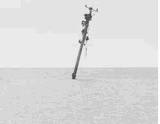 |
The Pape airfield was used for arms training in Soviet times, with bombs being dropped on specific targets. The facility is owned by the regional local government and is not used. There are sunken ships and targets in the sea.
|
|
 |
This farm rears goats and produces various goat’s milk dairy products, making goat’s cheese and other products from fresh ingredients. The farm also grows potatoes, juicy strawberries and other products. The summer outhouse provides space for 15 to 20 people to sit cosily by the table and chat. A light meal made from 100% farm products is offered. |
|
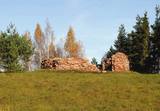 |
Swedish scanst (Kuce Hill, Jumprava Hill). Medieval fortification. The monument of national meaning
is located in the village Stari 450 m from Atspuki mill, 70 mto the Southeast from the ruins of Jumpravmuiža.
The territory is 0,7 – 1 m deep outside and 1 – 1,5 m high inside. The new road to the ruins of Jumpravmuiža
leads through the West side of the fortification.
|
|
 |
The saloon is in the historical centre of Limbaži in Kārlis Baumanis Square. Latvian cuisine: Cold soup, baked cod or plaice, potted meat and mushrooms, stuffed pancakes, stacked rye bread, strawberry soup. Special foods: “Wedding Pork Chop”. |
|
 |
The "Serpentīns" café is on the side of the Ventspils road (A10) and near the Strazde Lutheran Church. The lovely building has large windows. The café works with local farms and organises evenings of live music. Latvian cuisine: Oatmeal, potato pancakes, farmers’ omelettes, farmers’ breakfasts, baked cod, sautéed salmon, roast leg of pork, grilled pork with rhubarb sauce, hot rhubarb cobbler, Latvian beers. |
|
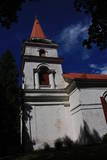 |
When you travel along the northern shore of Lake Sauka where the road to Klauce crosses your road, you will see the Sauka Lutheran Church among the trees. This is the third church at this location. It was opened in 1827 and can mostly be viewed from the outside. The altar is decorated with sculptures of St Peter and St Paul, as well as the altar painting “Jesus on the Cross with Mary and John,” which is by J. Doering. The organ was built by craftsmen in Jelgava, and the pipes were manufactured in Sauka. |
|
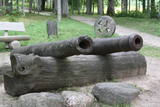 |
Established in 1900 at the place where the Pērse River flows into the Daugava (now the reservoir of the Pļaviņas hydroelectric power plant), the park offers a look at 17th century Swedish cannons and monuments from Medieval graves. Next to the high school in the park is a restored fountain, “Head of a Faun,” which was near the legendary Pērse waterfall during the 1930s. The waterfall is now underwater, but its location is indicated by a stone sculpture, “Girl of Pērse,” which was created by the sculptor Juris Zihmanis. A path leads to an 11 metre high wooden sculpture, “For Eternity,” by the sculptor Ģirts Burvis, and another sculpture, “Little Owl,” which is the work of the Rurāns brothers, both of whom are sculptors of wooden sculptures.
|
|
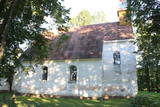 |
The Zasa Lutheran Church is in the northern part of the Zasa park, was built in 1750, and is a small Lutheran church. The organ, which was produced by the distinguished organ builder Andrejs Sūnākslis, was recently restored. The graves of German soldiers who fell during World War I are near the church. |
|
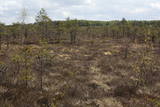 |
Territory established mainly for protection of bog myrtle and various bird species. An interesting fact is that bog myrtle or sweet gale is used as ingredient for making famous Riga Black Balsam. Brienamais purvs (wade bog) is hard to find and reach therefore it is not suitable for tourism.
|
|
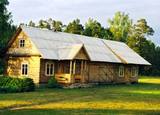 |
Lauku sētas atrodas pie upītes, ciema nomalē, kas jau izsenis bijusi mājvieta biškopjiem. Vieta piemērota mierīgai atpūtai. Izglītojošas nodarbības ikvienam, kas ir ieinteresēts Dzūkijas kulinārajā mantojuma, amatniecībā un tradīcijās. Maizes cepšana, pīrāgi ar sēnēm, olu rotāšana ar vasku, pinumi no salmiem. Vakarēšana ar dzuku dziesmām un dejām. Tautastērpu izgatavošana gan bērniem, gan pieaugušajiem. |
|
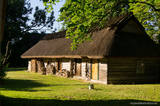 |
Third biggest island in Estonia. Full of beautiful grown junipers, little dolomite outcrop on the coast of the sea and fishermen villages on the coastline. |
|
 |
"Sabiles laivas" Talsu novadā piedāvā laivu nomu, laivu un laivotāju transportu. |
|


