
| No | Name | Description |
|---|---|---|
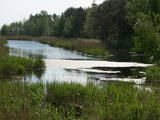 |
Taka izveidota 2005. gadā. Tā atrodas uz Lapmežciema un Bigauņciema robežas un izskatās kā koka dēlīšu laipa gar Siliņupi. Taka aizved līdz jūrai, kur apskatāms vecais Lapmežciema mols. Siliņupē novērojami ūdensputni. |
|
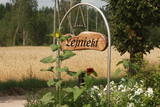 |
This is a new farm that produces cheese and waits for groups of visitors. People can help to make cheese and taste and buy it. Lejnieki won a prize as the most orderly working farm in the Valka Administrative District. |
|
 |
Находится на улице Лиела, д. 84, в Гробине (т.н. Докторат), где прошло детство писательницы З. Маурини. В Докторате гостили многие известные работники латышской культуры, что оказало большое влияние на будущую писательницу. В 1997 году в здании была создана комната памяти, где писательница жила с 1898 по 1921 год. Посетители могут осмотреть разные экспонаты и увидеть фильм, посвященный столетию З. Маурини. |
|
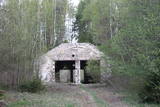 |
The Plāņciems missile base is in the forests of Bārta and is not easy to access. This special air defence facility is being dismantled for the purpose of obtaining building materials.
|
|
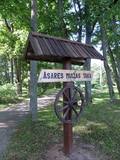 |
Asares muižas romantiskā stila dendroloģiskais ainavu parks veidots 18. gs. un papildināts 19. gs. 2. pusē. Muižas parka teritoriju ieskauj laukakmeņu mūris. Bet parkā sastopamas daudz interesantas krūmu un koku sugas: Sibīrijas baltegles, Eiropas lapegles, duglāzijas, šķeltlapainie baltalkšņi, Švedlera kļavas, košumkrūmi, dažādi lakstaugi. Liepu alejā - 2 dižkoki. Tempļa kalna atjaunotajā lapenē - muižnieku tējas dzeršanas vieta ar skatu uz pili. |
|
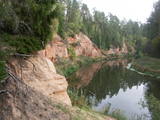 |
The Neļķes cliffs are in Skaņākalns Park, and they offer the most beautiful view of the Salaka River valley, with its sandstone cliffs and peaceful river. There are good views from the “devil’s pulpit.” It’s worth visiting the Skaņamkalns Hill to check out the views from the famous echo cliff. This is part of the ZBR.
|
|
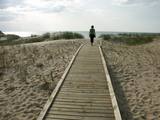 |
The trail tells about the protected nature area which is found in Riga city and has been established to protect the seashore habitats (forests, meadows, reeds, dunes) and the birds, populating the daugavgrīva meadows. There is a bird watching tower with facilities for people with special needs.
|
|
 |
Ilze Kupča bakes cakes in Mārupe, preserving her grandmother’s traditions. She has received several awards in various competitions in Latvia. She makes cakes and zephirs from natural products, which are either purchased from Latvian farmers or home producers, grown by herself, or even picked in the forests. Individual orders are accepted. Rye delicacies: blackcurrant and apple zephirs with rye breadcrumbs, lingonberry and caramel cake with rye bread. |
|
 |
The largest Japanese garden in Europe (16 ha) was established in 2007 by Japanese designer Hajime Watanabe and Dr Šarunas Kasmauskas, merging religion, art and respect for nature. |
|
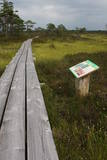 |
The trail informs visitors about one of the loveliest natural habitats in
|
|
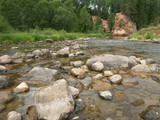 |
The Amata is one of Latvia's swiftest river, and water tourists congregate there each spring to engage in extreme activities. From the Rīga-Veclaicene highway, the Amata flows into a deep valley, with an average drop of more than 3 m/km or, downriver, as much as 8-10 m/km. Water tourists usually use the segment of the river between Melturi and the Zvārte cliff or the Veclauči bridge that spans the Līgatne-Kārļi road. Please remember that the Amata is not a friendly river for beginners. After lengthy rainfall, the river can be navigable during other times of the year, as well. The surrounding valley is attractive because of impressive sandstone and dolomite cliffs, among which the best known are the Vizuļi cliff (which can be the site of beautiful frozen waterfalls in winter), the Ainavu cliff, the Ķaubju cliff, the Dzilna cliff, the Zvārte cliff, and the Lustūzis cliff. Between Melturi and Veclauči, there is the Amata geological trail, which is marked with orange paint on tree trunks. There are three segments to the trail – from Melturi to the Kārļi fish farm, from the fish farm to the Zvārte cliff (both segments can be extreme!), and from the Zvārte cliff to the Veclauči bridge. You can hike the trail at any time except when there is deep snow. The most impressive views will be found when the trees are bare. If you boat down the river, you will not have time to look at or photograph the cliffs, because all of your attention will be focused on the river itself and the obstacles therein. |
|
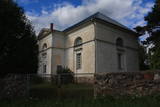 |
Atrodas Lielajā ielā 34 a. Vēlīnā klasicisma stilā celtā baznīca pēc muižnieka Nikolausa fon Korfa ierosmes būvēta laikā no 1828. - 1830. gadam. Dievnams ir interesants ar to, ka tajā apskatāms Vidzemes sakrālmākslā rets altāra tips – kancelaltāris (kancele un altāris ir apvienoti arhitektoniski vienotā mākslinieciskā kompozīcijā). |
|
 |
The cafe is situated in the centre of Jekabpils city, not far from the river Daugava. They offer rooms for banquets and celebrations,as well as celebration organization services. Working hours Mon-Thu: 10.00-22.30; Fri-Sat: 10.00-03.30; Sun 11.00 – 22.30 |
|
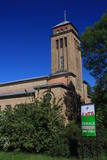 |
The Aknīste Catholic Church was built between 1937 and 1940, and its design is based on the Kaunas Church of the Resurrection in Lithuanian. The building features the rectangular and geometric forms that were typical of the age of Functionalism. Inside is a large wooden altar, along with a pulpit and two side altars (from the early 19th century) which were once found at the Rokišķi church. They were brought to the Aknīste church when the one in Rokišķi was redesigned. In 1997 the church was granted the Blue Flag of European cultural heritage. Alongside the church are the red brick gates of an old Catholic church, which date back to the latter half of the 19th century. Also there is the Selonian Park. |
|
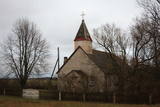 |
Nelielā izmēra ēka (balts ķieģeļu mūris, ar dēļiem apšūts zems tornis) atrodas Liepājas – Klaipēdas šosejas (A 11) malā. 20. gadsimta sākumā tā kalpojusi kā lūgšanu nams, taču tā paša gadsimta vidū pārbūvēta, uzceļot torni. |
|
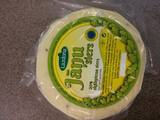 |
The company produces butter, cream, cottage cheese, cottage cheese products, yoghurt and desserts, using high-quality milk that comes from more than 100 local farms and three co-operatives. Technological processes are observed and improved during the manufacturing process so that the product retains its value in terms of taste and nutrition. Tourists are welcome, and tastings are available. This is one of five companies in Latvia that can produce “Summer Solstice” cheese as an EU guaranteed traditional product. The company’s products also have the “Green Teaspoon” quality mark. |
|
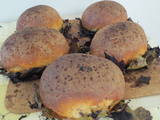 |
The owner of the bakery bakes bread on maple leaves in accordance with ancient recipes. She also bakes three-layer carrot buns (rye flour, potatoes and carrots). You can learn about the baking process and then taste and purchase the finished products. The lady of the house demonstrates and teaches traditions related to the baking of bread and carrot buns. While the buns are in the oven, she will talk about the Suiti region and offer a look at Suiti folk costumes. |
|
 |
Peony collector Andris Berkens opens up his garden to visitors each spring and popularises and praises the name of Tērvete by bringing beautiful stories about flowers throughout the world. Flowers can be purchased to enhance a visitor's garden, and the recommendation is to visit when the flowers are in full bloom. Visit is free of charge. |
|
 |
This was the first estate farm in the Baltic States and is the largest one. Work is in harmony with nature. You can purchase various kinds of bread made of natural yeast, fowl and their eggs, ecological beef, milk and dairy products, locally caught fish, traditionally grown vegetables, ecological honey from the local region, as well as various dried, pickled and smoked products. |
|
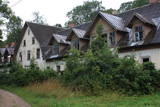 |
Ļoti savdabīga vieta, ko nekādi nevar dēvēt par tūrisma objektu. Vidsmuiža bija viena no Latgales lielākajām muižām, kuras dominante bija 18. gs. celtā un vēlāk pārbūvētā grāfu Borhu muižas kungu māja. Tagad redzamais muižas kompleksa veidols tapis 19. gs. otrajā pusē. Tajā ietilpst kūtis, staļļi, kalpu māja, klētis, sarga mājiņas, kas izvietotas ap parādes pagalmu. Pēdējais tagad ir stipri aizaudzis. Vecākā saimniecības ēka ir mūra klēts (iespaidīga!), ko cēla 18. gs. Regulāra plānojuma muižas parku veidoja 18. gs. franču dārzu stilā. Kungu māja ir „pamesta” un apskatāma tikai no ārpuses. |
|


