
| No | Name | Description |
|---|---|---|
 |
Višķi is a populated area that started as the Višķi Estate and received the status of a village in the 19th century. An agricultural school was opened there in 1921, followed by a one-year homemaking school in 1926. During World War II, in 1943, the Višķi Gardening and Beekeeping School was established. After the war, the Višķi Gardening (later Agricultural) Technical School was opened. Because of these educational activities, Višķi ir not similar to a typical countryside village. There is a wide area of lovely plants, including a dendrological park (est. 1936) and apple orchards. A local guide will tell you all about the park, but you can also stroll through the village individually. |
|
 |
The restaurant is in Bocmaņa Square in the centre of Salacgrīva and on the banks of the Salaca River. The well-known “Pie Bocmaņa” saloon has been redesigned and features the topic of Baron Munchhausen. Latvian cuisine: Herring salad, herring with cottage cheese, fish soup, breast of pork with onions, grey peas with bacon, fried livers, baked plaice, baked filet of pike-perch, stacked rye bread. |
|
 |
The Atāli homestead is on Putnu Island, and a local researcher, Ārija Gruberte, has used the threshing barn to exhibit everyday objects used in the area of the ancient Dviete River valley over the course of time. She has collected these items over the course of 20 years, and they include objects dating back to the Stone Age, the Iron age and the Middle Ages. All of them speak to human lives over the course of more than 10,000 years. Please call in advance to arrange for a tour. |
|
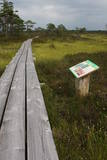 |
The trail informs visitors about one of the loveliest natural habitats in
|
|
 |
The restaurant is in Lielā Street in the centre of Talsi, offering food from the cookbooks of grannies and the global cuisine, as well as an extensive wine list. The restaurant works with local farmers. Latvian cuisine: Sauerkraut soup with roast breast of pork, wild mushroom and grit soup, herring with cottage cheese, porridge, sautéed roast with sauerkraut, roast lamb, cottage cheese buns, Latvian beers. |
|
 |
Located in the centre of Gulbene. The cake shop in Gulbene, offering various sweetshop goods from natural ingredients, freshly made juices, aroma teas and coffee, as well as salads and appetizers. In Gardums it is possible to taste snacks and dishes typical for Gulbene district. |
|
 |
Meklējams 0,3 km no Līvānu dzelzceļa stacijas – Fabrikas un Stacijas ielu krustojuma tuvumā. Ideja par Līvānu atbrīvošanas pieminekli radās jau 1929. g., taču to īstenoja 1935. gadā (arhitekts Pāvils Dreimanis). Tā galvenais elements bija 15 tonnas smags Krievijas armijas pamests lielgabala stobrs. 1958. gadā pieminekli iznīcināja, jo tas nebija „tīkams” padomju varai. No jauna to atklāja 2004. gadā. Piemineklis veltīts brīvības cīņās kritušo latviešu kareivju piemiņai, kuri 1919. g. ieņēma un atbrīvoja pilsētu no lieliniekiem. |
|
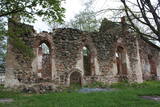 |
Lullemē atrodas blakus parka robežai, bet arī šo vietu ir vērts pieminēt kā vienu no apskates objektiem. Lullemē uzmanību piesaista viena otrai blakus stāvošās baznīcas. Mūsdienās redzamās 15. gs. celtās Sv. Marijas baznīcas drupas ir liecinieks 2. pasaules kara notikumiem, kad 1944. g. baznīcu sagrāva. Jaunā baznīca ir celta 1997. gadā. Ciema rietumdaļā uzstādīts piemineklis, kas veltīts brīvības cīņās (1919. – 1920.) kritušajiem. |
|
 1 day
|
Tūrisma gide Ineta Jansone piedāvā ekskursijas grupām gar Kaņiera ezeru, iepazīstinot ar putniem, kuri mīt tā tuvumā. Kaņiera ezers ir vieta, kur migrācijas laikā apmetas daudzi tūkstoši ūdensputnu. Ezerā un tā apkārtnē sastopamas vairāk nekā 200 putnu sugu. Putnu vērotāju ērtībām vienā no Kaņiera ezera pussalām uzcelts putnu vērošanas tornis. Netālu no putnu vērošanas torņa izveidota koka laipa uz pontoniem, kura stiepjas cauri niedrāju audzei. Kaņiera ezers izceļas ar lielu daudzums zivju – tajā konstatētas gandrīz 20 zivju sugu. Izsens zvejnieku ciems - Lapmežciems atrodas skaistā vietā uz šauras zemes strēles starp Kaņiera ezeru un Rīgas jūras līci. Lapmežciemā izveidots zvejnieku muzejs, kuru var apmeklēt ekskursijas laikā, kā arī nobaudīt svaigi kūpinātas zivis. |
|
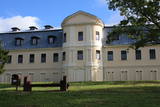 |
There are several buildings from the estate that survive to the present day and were built by the Plater dynasty of noblemen. The old mansion that is on the side of the Count Plater Street was built in 1759 on the banks of the Jāņupīte River. The Baroque building was designed by an architect from Venice, Antonio Parazzo. Later the mansion was rebuilt, and after a new castle was erected, the Plater family spent its summers on the first floor of the old building. The second and third floors had a library with some 20,000 books. The noblemen managed to move most of the contents of the library to safer locations during World War I, when the library as such was destroyed. Work on the new castle of the Krāslava Estate (on the upper part of the Daugava River Valley) began in 1756 (architect Domenico Parazzo). Initially it was in the Baroque style, but reconstruction at the turn of the 18th century involved Classicism. Unique Rococo wall paintings with views of Rome have been discovered in the building. These were based on samples from castles in Poland and were painted during the 1760s and 1770. A high school used the new castle until the 1970s. Then the building was abandoned and gradually turned into a ruin. More recently there has been major renovation of the castle’s façade, and it now has a good appearance. Surrounding the structure is a romantic landscape park that dates back to the mid-18th century. It is on the hillocks of the Daugava River Valley and the valleys that cross it. An artificial grotto has been restored, and a statue of a lion stands guard over the site. The stairway has been placed in its historical location, and the park features pathways and a yard. |
|
 |
Находятся в 100 м к юго-востоку от Приекульского замка. Символ Приекуле, изображенный на гербе города. Ворота (1688 г., отреставрированы в 1954 г.) служили в качестве сторожевой башни сквозных ворот Приекульской господской усадьбы, где проводился досмотр торговцев (таможня), отправляющихся или приезжающих из Литвы. Интерес представляет родовой герб баронов Корфов выполненный в XVIII веке из голландского песчаника, с серебряным ядром и своеобразный маскарон в центральной части фасада. Во времена баронов в нишах по обеим сторонам стояли двухметровые, выполненные в камне, грозного вида фигуры стражников - солдат. Сегодня на их месте стоят деревянные фигуры стражников. |
|
 |
The hotel is on the banks of the Daugava River, which is the boundary river between Latvia and Belarus. It offers Lettigalian foods, as well as parties in the Lettigalian, Belarusian and Polish style. |
|
 |
Veselībai un pilsētvidei draudzīga transporta – velosipēda lietotāji putnu vērošanas torni var sasniegt pa Ķengaraga promenādes veloceliņu. Tornī izvietoti putnu attēli, kas nezinātājiem atvieglo ūdensputnu vērošanas un atpazīšanas procesu. Redzamas plašas Daugavas ainavas. |
|
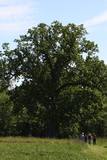 |
The tree is on the side of a hillock, and its visible roots are unusually huge.
|
|
 |
On the second Saturday of each month, farmers, home manufacturers and craftspeople gather together to offer their products. You will always find tasty and useful things here. |
|
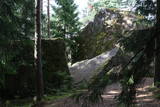 |
Die Größe dieses Feldsteins ist eindrucksvoll, obwohl er nach dem Volumen (262 m3) nur der 16. größte Feldstein Estlands ist. Die Länge beträgt 10,7 m, Breite – 6,5 m, Umfang – 27,8 m. |
|
 |
Built in the 18th century and rebuilt in the mid-19th
century, the parsonage was the place where the Liv flag was first consecrated. Renovations
of the parsonage are underway at this time. Since September 2009, it has been used
by the Latvian Evangelical Lutheran Church as a rest home for its Recollection Centre.
|
|
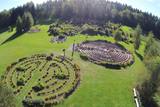 |
This park has five labyrinths with decorative plants, flowers and various kinds of medicinal plants. The longest path in the labyrinth is 1.7 km long. The total distance of the paths is 4.5 km. The park has three geometric figures -- a cupola, a mandala and a Merkabah. |
|
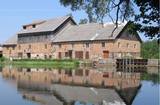 |
The only operating windmill of this type in Estonia allows you to follow the bread making process from start to finish. In the beginning you will see how grain is turned into flour with the help of water, and afterwards you will be able to bake your own bread in the bakery. Please book excursions and classes in advance. You can order also catering. |
|
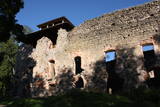 |
The ruins of the Rauna castle (which was built in 1262 and was a main residence of the Livonian archbishop) have a modern viewing tower which offers a view of the impressive castle walls, the place where the former Medieval city was located, and the centre of Rauna. The local government office has the keys to the tower.
|
|


