
| No | Name | Description |
|---|---|---|
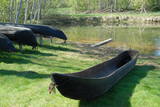 |
The Vienkoči Park features one-log objects manufactured by its originator. You can examine mock-ups of the Nurmiži Castle and other buildings including the Sand House, and you can also take part in thematic events. Men can produce equipment to drain birch juice from trees, wile women can try their hand at jewellery making from natural materials. People manufactured one-log objects during the Mesolithic Era, and one-log boats have been used since the 9th century (several of them can be seen at the park). |
|
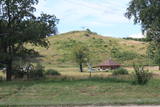 |
Ap 0,5 km ziemeļaustrumos no Stukmaņu muižas – Daugavas ielejas labajā krastā atrodas Vīna kalns – sens pilskalns. Tajā atrodas izpostītie Stukmaņu muižas īpašnieku kapi. Mazliet tālāk redzams klajš upes ielejas nogāzes posms, kurā savulaik darbojās slēpošanas trase. |
|
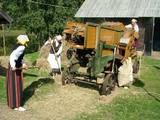 |
The 11 buildings of the museum feature farm equipment, horse-related equipment, several dozen internal combustion motors, as well as tools used by craftspeople and farmers during Latvia’s first period of independence. The annual harvest festival brings together as many as 2,000 visitors. A harvest festival features special porridge. Groups can take part in a bread programme, watching the production of bread from dough to loaf. |
|
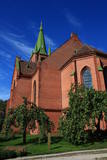 |
Mūsdienās redzamais iespaidīgais dievnams tapis ilgākā laika posmā. Jau 1870. g. latviešu draudze sāka vākt ziedojumus neogotiskās baznīcas celtniecībai, ko pabeidza 1904. gadā (V. Neimaņa projekts). Ēkas iekšpusi rotā dekoratīvi zvaigžņu velvju griesti, bet tās altārdaļā izvietotasmākslinieka J. Šķērstena veidotās vitrāžas (1940. g.) un 17. gs. kristāmtrauks. Baznīcu ieskauj plašs dārzs. |
|
 |
Zīleņu Sacrificial Boulder.You will find it on Zelenpole Golden hill beside the escarpment. The boulder
has an annular curvy. It was an ancient Latgalian cult place where people sacrificed to Gods, released themselves
from the bad things and took a positive energy.
|
|
 |
The Dole is the largest island in the Daugava River, surrounded to the Northeast by the rapid waters of the Daugava and to the Southwest by calm and gradually overgrown waters from Dry Daugava. The island is a specially protected nature park, established in 1986 to protect the landscape and cultural and historical values of the island in the wake of the construction of the Rīga hydroelectric power plant, as well as rare and protected species of plants and animals. The island is also meant to provide education and leisure for visitors. Best known on the island is the Daugava Museum, which is in the mansion of the old Dole Estate. The museum features some 13,000 exhibits that speak to the history of the island and the river – Baltic and Livonian apparel, tools and household objects. The exhibition also presents the Daugava as an important waterway and the related history of forms of transport and rafters. In the park is an open-air exhibition with reconstructed lamprey eel traps and a barrier to fish salmon, along with a set of fishing tools. A dolomite cliff is alongside the museum on the steep shore of the Dry Daugava. The ruins of the Vecdole castle can be found on the south-eastern end of the island, near Bēči. |
|
 |
Close to Otepää, in a very beautiful place, surrounded by woods and hills, Canterville loss is waiting for you. A great place to relax with your family. Large playground for children. The restaurant serves both romantic meals and lunch during workshops. |
|
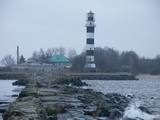 |
The Western breakwater was finished in 1885 and stretches 860 metres into the sea. Together with the Eastern breakwater it regulates the flow of water from the Daugava River into the sea, also reducing silt levels in the river. The structure of the breakwater is based on piles that are strengthened with rocks. The breakwater has been reconstructed and strengthened several times. During the 19th century, it held a prison for offenders. Approximately ½ of the breakwater has been restored with cement, but the rest of it is in fairly sad shape. Polish King Stefan Báthory ordered the construction of a lighthouse alongside the Daugava in 1528, and the first map to show a lighthouse was produced in 1536. A 1721 list of lighthouses in the Russian Empire notes a pile of rocks at the location upon which a fire was lit. Later there were wooden and stone towers that were destroyed during wars. The current Daugavgrīva lighthouse was built in 1957 and is 35 m high. Its light can be seen at a distance of 18 nautical miles. |
|
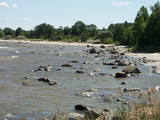 |
This is a trail for hikers and bird-watchers, located in a very interesting place on the shore of the Bay of Rīga near Kaltene. The visitor will see small inlets and capes and a rocky or overgrown shore. At the end of the trail there is a bird-watching tower. During the spring and autumn migrations of birds, the visitor will see a great many different kinds of birds in the area – geese, plovers, etc. The length of the track is a bit more than one kilometre, and it will take 20 minutes to an hour to cover.
|
|
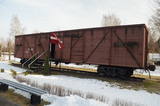 |
The wagon commemorates the 2,916 innocent people from Skrunda and the surrounding area who were deported to Siberia in cattle wagons. It is found at Stacijas Street 1 near the Skrunda railroad station. |
|
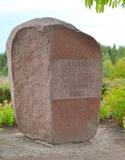 |
The stone is in the small village of Vasiļova, which is along the Daugavpils-Rēzekne (A13) road. The Vasiļova Semi-Estate used to be leased by the father of the great Latvian playwright Rainis, Krišjānis Pliekšāns. |
|
 |
This popular eatery is in the centre of Ogre and in a pre-World War I building that housed Soviet military headquarters during the Soviet era. Musical evenings are organised. Latvian cuisine: Cheese plate, mutton soup, mushroom soup, grits with mushrooms, filet of catfish, wild berry sorbet, pancakes. Special foods: Baked cheesecake with berries. |
|
 |
Kartavkalnā, kur senāk atradusies seno zemgaļu apmetne, ir izveidota dabas taka ar soliņiem, piknika vietām. Šeit apskatāms arī Jaunpils Kartavu kalns un lapegļu aleja, kā arī iespējams aplūkot, kāda izskatās senlatviešu apmetne ar īstu guļbaļķu sētu.
|
|
 |
Viens no jaunākajiem Latvijā celtajiem mūra tiltiem. Tā akmens margas ir barona Karla fon Manteifeļa dāvinājums (celts 1907. gadā) Aizputei. Tilta ziemeļu puses margās ir iemūrēta granīta plāksne ar Manteifeļu dzimtas ģerboni, kas ir vāji izšķirams. |
|
 |
The border guard facility at Pāvilosta is closed to civilians at this time, because it is used by the Latvian Navy.
|
|
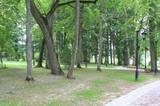 |
This is a natural monument of protected dendrological plants. The park is in the Upmala Parish, covers 2.7 ha, has been protected since 2001 and is managed by the Vārkava Administrative District Council. Judging from the oldest oak trees (approximately 200 years old), the park was established in the early 19th century, with other plants from the latter part of the century. Local species of trees, including maples, elms, fir trees, aspens, oak trees, willow trees, linden trees and hazelnut trees grow in the park, as do more than 10 exotic types of trees and bushes, including various types of maple, aspen, willow, lilac and linden trees. |
|
 |
The craftswomen produce clay dishes, vases, candlesticks, chandeliers, garden ceramics and small objects. Clay dishes with wooden handles are interesting. The women will offer you a tour of their workshop, a chance to see them at work or to try out your own skills at the potter’s wheel, as well as to purchase objects which have already been manufactured. |
|
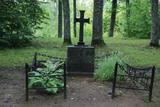 |
To the North of the Cesvaine Castle is a park that is crossed by the rapidly flowing Sūla River. The Cesvaine castle hill is on the northern bank of the river, is around 15 m high and is covered by trees today. The grave of the owner of the castle, Adolf von Wolff, is there. It is said that he wanted to have his casket dragged to the gravesite on a sled. He died during the summer, but that was done anyway. The park features a wide diversity of trees and bushes, some of which the owner brought home from his extensive travels. |
|
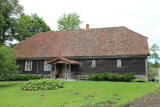 |
The manor is in Basi in the Gudenieki Parish of Kuldīga District, some 20 km from the district centre. The manor was built in the 19th century, burned down in 1905, and then restored. A former residence for servants and an old magazine barn have survived. The surrounding park covers 4.5 ha, and the estate is a cultural and historical monument of local importance. The barn was fully reconstructed in 2009 and 2010 with co-financing from the European Union, and today it is the Basi Culture Centre. In 2019, there is to be an interactive exhibition about Suiti events in Gudenieki -- baptisms, weddings, funerals, etc. |
|
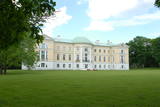 |
This beautiful castle (1797-1802) is seen as the most brilliant example of Classicism in Latvian architecture. It, like the Eleja Castle, was designed by the architect of the royal court in Russia, Giacomo Antonio Domenico Quarenghi and the architect Johann Georg Adam Berlitz. The ornate interior was unique for Kurzeme at the time when the castle was built. Empress Catherine II gifted the castle to Charlotte von Lieven (1742-1828) after Charlotte served as governess for the empress’ grandchildren. An agricultural school operated in the building from 1921 until 1941, and it was very much damaged and pillaged during World War II. Restoration began later, when the Mežotne experimental selection station was housed in it. The lovely building houses a hotel and can be toured. Around the castle, which is on the banks of the Lielupe River, there is one of the most beautiful English-type gardens in Latvia – perfect for a stroll. |
|


