
| No | Name | Description |
|---|---|---|
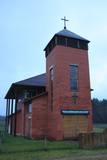 |
Atrodas 2,5 km no Bārtas centra, Bārtas upes labajā krastā. Mūsdienīgais dievnams tapis 2002. gadā (arhitekte: A. Siliņa). |
|
 |
A small town on the way from Riga to Bauska. Town's name is first mentioned in written sources in 1492. Here you can see Lutheran Church and former Manor Park |
|
 |
Redzamas pa lielu gabalu Vecumnieku – Skaistkalnes un Stelpes ceļu krustojuma tuvumā. Šīs Holdandes tipa vējdzirnavas uzcēla 1903. gadā. Sākot ar 20. gs. 30. gadiem dzirnavas darbojas ar elektrības palīdzību. Līdz mūsdienām ir saglabājušies vējdzirnavu vēsturiskie mehānismi. Kādreiz daudzie vējdzirnavu stāvi bija raksturīga Zemgales vēsturiskajam novadam, ko pamatoti dēvē par Latvijas „maizes klēti”. Diemžēl līdz mūsdienām ir saglabājušies tikai daži. Šīs vējdzirnavas ir apskatāmas tikai no ceļa malas.Ap 8 km rietumos (Iecavas virziens) redzamas vēl vienas – Kāravu vējdzirnavas. |
|
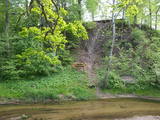 |
The Vilce Nature Park is small in size and exists alongside the deep valleys of the Vilce River and its tributaries. Biotopes include visible sandstone cliffs, rapids on the rivers, forests typical of such areas, and the plants and animals that are found therein. The well-appointed Vilce castle hill is next to the Zaķu meadow, which is a nicely appointed and popular place for recreation. |
|
 |
This venue organises seminars, courses and activities related to Latvian holidays and family celebrations. There are master’s classes about culinary heritage in
|
|
 |
Atrodas Rīgas – Ventspils autoceļa (A 10) 92. kilometrā. Piedāvā ēdināšanas pakalpojumus, klāj galdus un organizē citus pasākumus. |
|
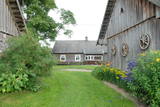 |
The “Gulbji” Selonian homestead is one of the very few places in Latvia where you can see a farm typical of the historical region of Selonia with its typical buildings. “Gulbji” is comparatively far from major roads and populated areas. It is on the so-called Dronku Island, not far from the beginning of the ancient Dviete River valley. The owners of “Gulbji” have collected a wealth of ancient household objects. Visitors can study the farm, examine a collection of medicinal plants, enjoy Selonian foods, or take a “black sauna.” It could be said that people at “Gulbji” have a natural farm which nurtures and maintains the traditions of the historical region. Latvian cuisine: Crepes, grit soup, cream of potato soup, beans sautéed in a special sauce, fruit dessert, bread soup with whipped cream, tortes, herbal teas. Special foods: Zeppelins. |
|
|
|
The No. 14 Border Guard facility at Akmeņrags was a naval observatory. The facility belongs to the regional local government and is not used for any purpose at this time.
|
|
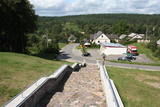 |
Eine alte Ortschaft am linken Ufer des Flusses Nemunas. Liškiava-Kirche und Kloster, heiliger Berg und Burgberg mit den Ruinen der am Ende des 14. Jh unter Leitung von Vytautas der Großen gebauten Burg. Ein Kultstein mit einem Kühstapfen.
|
|
 |
The Lejasmalas leisure base is on the banks of Lake Leja with a beautiful view of islands in the lake. It offers Lettigalian dishes made of locally soured products. |
|
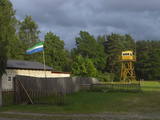 |
This coast guard facility was housed in a building that used to be a maritime school. In the post-Soviet era, accommodations were offered at the building. The coast guard tower is one of the best-preserved objects of its kind along the Latvian shoreline.
|
|
|
|
Vom 18. Jh wurde die Stadt ein russischer Marinestützpunkt. Von 1962 bis 1994 war Paldiski ein Übungszentrum für atomare U-Boote der Sowjetischen Marine mit zwei auf dem Festland befindlichen Kernreaktoren (ung. 16.000 Beschäftigte) und eine "geschlossene Stadt". |
|
 |
Mulgi Kõrts (tavern) in Abja-Paluoja, the centre of Mulgi area, has a cosy atmosphere, local dishes and swift service. The tavern is in a house over 100 years old. |
|
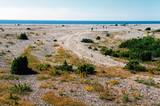 |
This is a “peripheral” island in the Bay of Finland, 9 km from the Dirhami port. The special fact about this island is that it offers fields of juniper, a rocky and grassy seashore that is around 2 km long, and limestone cliffs that are a few metres high along the northern and the eastern shores of the island. These are designated with the words Osmussaare pank.
|
|
|
|
Meklējama pilsētas centrā - Tirgus laukumā 11. Dievnams uzcelts 1886. g. Ēkā atrodas vairāki nozīmīgi mākslas pieminekļi – gleznas, krucifikss (18. gs.) u.c. Baznīcas dārzā apskatāma skulptūra “Latgales māte” (tēlnieks B. Buls) un piemineklis politiski represēto piemiņai (tēlniece V. Dzintare). Baznīca ir apskatāma arī no iekšpuses. |
|
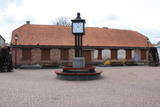 |
Ventspils Vecpilsētas vēsturiskais centrs. Nelielā Rātslaukuma (40 x 60 m) rietumu malā atrodas Starptautiskā rakstnieku un tulkotāju māja, kas ierīkota 18. gs. dzīvojamā ēkā ar baroka un klasicisma iezīmēm (19. gs. vidū te atradās pilsētas Rātsnams), bet austrumu malā – vēlīnā klasicisma stilā celtā evaņģēliski luteriskā Nikolaja baznīca. Iepretim baznīcai atrodas modernā stilā pārbūvētā Ventspils Galvenā bibliotēka un Digitālais centrs, kas ierīkots greznā 19. gs. savrupmājā. |
|
 |
Naktsmītne, pirts, telpas pasākumiem, aktīvā atpūta dabā. Mājas alus brūvēšana un siera siešana. |
|
|
|
The Eversmuiža Estate is in the centre of Cibla and is dominated by a 1680 mansion that was built in the style of Classicism and was rebuilt several times later. There is a home for servants, a gatehouse and ancillary buildings that are in poor shape. A stone wall surrounds the park of the estate. Since the 17th century and for nearly two centuries, the estate belonged to an aristocratic Polish family, after it was owned by various others. Today the mansion houses a boarding school and the Cibla Regional Research Museum, which offers tours. A cultural and historical trail runs along the banks of the Ilža River. |
|
 |
A café, located in the Town Square of Kuldīga, the very centre of Kuldīga Old Town, that offers dishes for every taste, ranging from refined salads to hearty meals. The café houses the Curonia coffee roastery and offers its guests fresh and delicious coffee. |
|
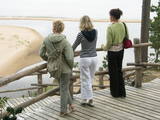 |
At the estuary of the Inčupe River, there is the White Dune, which is around 18 metres high and is the most lovely element of the Vidzeme shoreline among those that have been created by the wind, sand and sea. There is a wooden footpath (the Saulriets trail) which is meant to view, but also protect the dune. It has a viewing area, too. The territory to the south of the river is in the Piejūra Nature Park.
|
|


