
| No | Name | Description |
|---|---|---|
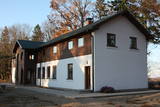 |
Хозяин создал специальный комплекс курсов и процедур, которые посвящены здоровому образу жизни. Обучение для групп, массажи, лекции, практические занятия и т.п. |
|
 |
2015. gadā uzceltais skatu tornis atrodas dabas parkā „Daugavas loki”, Daugavas ielejas kreisajā krastā – Daugavpils novada Vescalienas pagastā. No torņa aplūkojama izcilā Daugavas loku ainava. |
|
 |
BURSH brewery – one of the smallest breweries in Latvia which is situated between Zemgale, Vidzeme, Latgale and Selija territories – in the Plavinu territory of Aiviekste district. Beer connoisseurs are offered dark and light beer BURSH. BURSH is made of water, barley malt, hop and yeast, is boiled on a firewood stove, fermented in oak barrels and prepared for 30 days. LLC „ECOS” uses only natural raw material in the process of brewing. Beer is made according to the special recipes made especially for BURSH brewery and with attention to traditiaonal methods of brewing beer. |
|
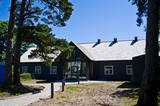 |
Livonian Community House at Kolka was opened in 2019. It is a place where you can get to know the Livonian culture of Northern Kurzeme, learn about traditional activities, listen to the sound of the language, and get an idea of the cultural and historical heritage of the coast. In House you can organize and attend cultural events, seminars, trainings, exhibitions, and also receive tourism information. |
|
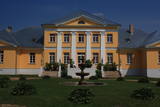 |
This estate is an unexpected surprise in this place and date. Work on the castle began in themed-18th century, and it was rebuilt one century later. During the first half of the 20th century the castle hosted an elementary school, and during the Soviet occupation it was an apartment building. Today the castle has been reborn in terms of form and content in the direct and indirect sense. The Mountain Holiness Community works here. During the summer, there are children's camps and other events. The old stairs, window shutters and brass door hinges are all original. A church is being built on the site. The Renaissance-style garden can be visited. Contact the estate in advance for a tour of the interior of the castle an church in the company of local residents who will tell you all about the history of the estate and its garden. 300 m to the south-west of the estate is the Brukna Castle Hill, which is hard to see in situ and even harder to access. |
|
 3 days
|
This three-day route will allow you to visit one of the most unusual landscapes in the Baltic States - the Curlandian dunes. You will also visit interesting territories here in Latvia - the Pape Nature Park and the Liepāja Naval Port. The port is worth visiting while it still retains some of its Soviet-era "charm". New and unprecedented impressions will also be assured by two unique manmade objects - the "Town of Rock" and the "Town of the Absurd", which are both unique not only at the Baltic level, but in a far more extensive sense. |
|
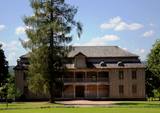 |
This estate is surrounded by an ancient and geometric landscape. During the latter half of the 19th century, it had a landscape style with various elements of geometry. The park covers 4.2 ha and has ancient linden, maple, elm, oak and other decorative bushes, with more than 20 types of plants that have turned into wood. |
|
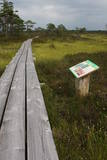 |
The trail informs visitors about one of the loveliest natural habitats in
|
|
 1 day
|
Ekskursijas laikā apmeklējiet dabas taku, kura izvijas augšup un lejup gar Pilsupes lejteces stāvajiem krastiem un atklāj skaistus skatus uz trīs balto smilšu atsegumiem, no kuriem vecākais ir 6000 gadu vecs. Pēc tam apmeklējiet Kubalu skolu - muzeju, kur redzēsiet, kādas izskatījās skolas 19 gs. Klasē Jūs sagaida senie skolas soli, tāfelītes, tinte un rakstāmspalva. Tālāk dodieties uz dabas parku, kurā izveidota Bišu taka. Iespēja kāpt kokā ar dzeiņa palīdzību, liet vaska sveces un iepazīt dažādos biškopības produktus. Ekskursijas noslēgumā dodieties uz mini zoo, kur ir iespēja apskatīt dažādus dzīvnieciņus - pundurkaziņas, punduraitiņas, mandarīnpīles. |
|
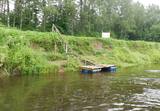 |
Atpūtas vieta Gaujas upes kreisajā krastā, pusceļā starp Virešiem un Aņņu tiltu (Gaujiena-Valka; P23). Pieejams galds maltītēm, ugunskura vieta, sausa malka, telšu vietas, tualete. |
|
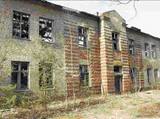 |
This was a coast guard facility with a zenith missile division, and it was meant to protect the outer border of the Soviet Union. At this time the Ventspils Naval Guard Battalion has an observation point at the location.
|
|
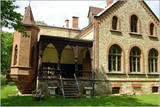 |
Zvārtavas pils aicina ceļotājus un dabas draugus, kultūras un mākslas cienītājus iepazīties ar Zvārtavas pili un citiem muižas kultūrvēsturiskiem objektiem, izbaudīt parku un ezeru, izzināt novada vēsturi un apskatīt mākslas darbus, kuri radīti šeit plenēros un rezidencēs, gan LMS muzeja kolekcijas ekspozīcijas un aktuālās izstādes. Skaistā Zvārtavas pils celta 1881.gadā un ir viena no spilgtākajiem neogotikas stila arhitektūras pieminekļiem Latvijā, kas ir valsts nozīmes kultūras piemineklis. Pašlaik pils pieder Latvijas Mākslinieku savienībai, un tieši šis fakts ir pamats pils unikalitātei. Pilī ir saglabājušies neogotikas interjeri, koka kolonas vestibilā, oriģinālās parketa grīdas, mēbeles un stikla kupols ar vitrāžām, caur kurām gaisma dažādos toņos, veido zīmējumus uz sienām un grīdas. |
|
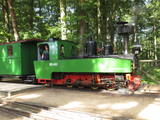 |
This little tram offers a great opportunity to return to history, when small trams were found all over Latvia. Until the 1960s, there was a narrow-gauge railroad that linked shoreline fishing villages along the shores of Northern Kurzeme. Only a few remnants of the old tracks can still be found in nature, and there are only a few train stations or parts thereof. Visitors to the Ventspils Open Air Museum can take the 1.4 km Circle Line or the 3 km Mountain Line. The locomotive was built in Germany in 1916, and the museum features a station building with all of its elements. |
|
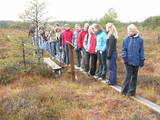 |
The tower is locatede in the Niedrāji-Pilka swamp. Access it via the old Ainaži-Valmiera-Smiltene narrow gauge rail line, which dates back to 1912, and then take the wooden footpaths which are approximately one kilometre long. This is a high-type swamp with small lakes at the foot of the tower. It is in the ZBR. |
|
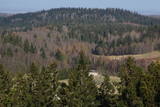 |
This park was set up to protect the landscape and cultural environment of the Haanja highland. At the central part of the park are the two highest hills in the Baltic States – Suur Munamägi, which stands 318 m above sea level, and Vällamägi, which is 304 m above sea level. The ancient Rõuge River valley (Rõuge ürgorg) is found in the western part of the park. It is 7.5 km long and up to 60 m deep. The valley dates back to the Ice Age, and it has seven lakes, including the deepest one (38 m) in Estonia – Lake Rõuge Suurjärv.
|
|
 |
Skaisto un mūsdienās atjaunoto zilā krāsojuma ēku Karaīmu ielas 5 malā sākotnēji (1810. g.) cēla Dominikāņu mūki. Kopš 1864. g. tajā 23 gadus saimniekoja policija, līdz 1887. g. te izvietoja pastu un telegrāfu. Šobrīd ēkā atrodas nacionālā parka administrācija. |
|
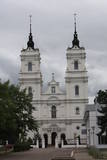 |
Atrodas t.s. Baznīcu kalnā - A. Pumpura ielā 11 a. Varenais neobaroka stilā celtais dievnamu tapis 1905. g. Pastāv viedoklis, ka par šīs baznīcas prototipu izmantotas Aglonas vai Krāslavas bazilikas, kā arī Rietumeiropas baznīcu paraugi. Tās interjeru rotā divstāvīgs altāris, kurā novietota spāņu gleznotāja B. E. Muriljo pazīstamās gleznas “Svētā Dievmāte” kopija. 1909. g. baznīcā uzstādīja poļu meistara Ādolfa Hofmana būvētās ērģeles.No būvniecības laika saglabājusies arī pārējā baznīcas iekārta. |
|
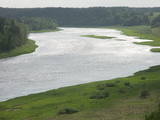 |
The Dinaburga trail first goes downhill, and then it quickly goes uphill to the steep shores of the Daugava river. Among a set of gullies, there is the Naujene (Vecpils) castle hill – some 25m high and the “cradle” of the city of Daugavpils. The ruins of the castle are still visible, and a unique open-air model of the old Dinaburga castle has been prepared. There is a lovely view of the Daugava river valley, and the visitor can expect to spend 20 minutes to an hour here. Objects are located in a protected area of Augšzeme landscapes and in the Curves of Daugava nature park.
|
|
 |
The craftsmen's association unites 65 craftsmen from Rūjiena and its surroundings. Offers baking, jam cooking, cheese tying, jewelry making, leather goods, crochet and culinary master classes. Also offers "Made in Rūjiena" tastings (bread, smoked products, culinary products, jams, fresh juices, pumpkin products, seasonal berries and fruits, other dishes in each season) and shopping. |
|
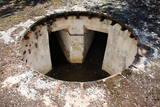 |
Today there’s a single-family farm and not much else, but at one time Olmaņi was the site of two important coastal batteries collectively known as “Krastnoflotskaya.” Until 1955, the one to the South of Olmaņi, there were four 152-mm Kane type cannons, which were manufactured during World War I and were widely used to protect the coastal territory of the Baltic Soviet republics of Latvia and Estonia during the rule of the Soviet regime. Small concentric ramparts of earth are all that’s left there today. After 1955, to the North of Olmaņi, another battery was installed with four MY-2 152-mm cannons. They had a range of 25 km. The battery remained in battle readiness until 1975, when it was turned into a reserve facility. It’s not easy to find, but it’s worth the search. The platforms for the cannons and the subterranean bunkers are still there. This was indeed one of the most impressive coastal batteries along the shores of the Baltic Sea.
|
|


