
| No | Name | Description |
|---|---|---|
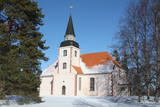 |
The church has a non-traditional design and layout: the altar is in the middle but the pulpit- above the altar. The church has also an original bell tower with a bell casted in 1634. The present wooden interior was created by the students of Riga Crafts High School. Next to the church there are ruins of the old church and the rectory where at the end of the 18th century as a tutor worked Garlieb Merkel who in Liepupe observed events used in his famous book "Latvians". |
|
 |
Einen malerische Sandsteinfelsen bis 600 m lang und 21 m hoch am linken Flussufer vom Gauja. |
|
 3 days
|
Take a train from Riga to Cēsis and stay in the very heart of this chaming town. It is one of the most attractive Latvian provincial towns with a medieval Livonian Order Castle, a New Castle containing an excellent regional history museum and creative workshops, a charming Old Town with St. John's Church and several cosy cafes and restaurants with live music at weekends. |
|
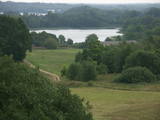 |
Latvia’s newest national park (2007) is in the “land of the blue lakes” – the region of Latgale. One of the goals of establishing a national park was to preserve the natural treasures of the region. Lake Rāzna, which is the second largest in Latvia, is there, as is Lake Ežezers, which has more island than any other lake in Latvia. There are other bodies of water, as well as typical landscapes of hillocks and a unique cultural environment. One of the most popular destinations in the park is Mākoņkalns Hill, which offers a lovely view of Lake Rāzna. Administrators of the newly established park are working on the tourist infrastructure – trails, routes, etc. Perhaps visitors would be advised to postpone their trip to the Rāzna National Park for awhile. |
|
 |
Diplomēts mežsaimnieks Imants Urpens Alojas novada "Ošlejās" audzē šitaki sēnes. Šī ir arī mācību saimniecība, uz kuru brauc mācīties pārsvarā ārzemnieki. Saimniecība ir bioloģiski sertificēta. Pieņem ekskursijas un pasūtījumus sēņu audzēšanai un micēlija iegādei. |
|
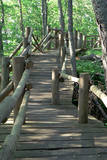 |
Augstrozes pilskalna taka atrodas ainaviskā vietā, gleznainā 13. gadsimta pilskalnā, kas apvīts ar teikām un leģendām. No pils drupām paveras labākais skats uz lielisko ainavu, ko veido Augstrozes Lielezers un Ziemeļu purvi.
|
|
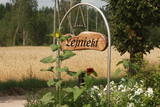 |
This is a new farm that produces cheese and waits for groups of visitors. People can help to make cheese and taste and buy it. Lejnieki won a prize as the most orderly working farm in the Valka Administrative District. |
|
|
|
Opekalns (arī Apukalns, Opekols) ir paugurs Alūksnes augstienē, 235 metrus virs jūras līmeņa, Veclaicenes pauguraines viena no augstākajām virsotnēm. Tā virsotnē uzcelta Opekalna luterāņu baznīca (1774—1779), kas ir visaugstāk virs jūras līmeņa novietotais dievnams Latvijā. Opekalna ciemā dzimis leģendārais Dziesmu svētku virsdiriģents Haralds Mednis. |
|
 |
Located in Daugmale, surrounded by the waters of the Daugava. This special location allows the bees to harvest and bring high-quality honey that has been recognised several times in Latvian contests, as well as other beekeeping products. |
|
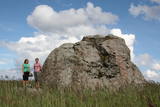 |
Auf der Küste der Halbinsel befinden sich sowohl ehemalige Fischerdörfer, als auch die Reste eines Militärstützpunkts der Sowjetarmee. Großartige von den Gletschern des Eiszeitalters eingebrachte Feldsteine. |
|
 |
The number of types of peonies in this garden is close to 400, and collect Dagnija Voika is proud of one of the largest collections in Latvia. There are 30 types of shrub peonies, and other flowers that grown there include bearded irises, Siberian irises, daylilies, as well as less common plants such as yuccas and eremurus. The garden is open in June, when the owner organises a peony festival and offers tours. The valuable peony roots are used to produce the PEO series of cosmetics, and plants can be purchased. |
|
 |
Lake Liepāja is shallow and eutrophic (around 40%), and it is one of the most important lakes on the shores of the Baltic Sea for nesting and migrating birds (resting and feeding place). More than 100 different species of birds have been spotted there. The lake is no less important for plants which flourish in salty biotopes. On the north-eastern shore of Lake Liepāja (Vītiņu meadow) there are flood-land plains which are the home to domestic animals which have been adapted to life in the wild. There is also a viewing tower, available upon request with the guide. The system of dams along the south-western part of the lake can be hiked or biked (extreme!) to find lots of interesting viewing areas and landscapes. In the surrounding of the lake there are ruins of unique former fortification systems. |
|
|
|
This is the 11th largest Estonian island, and its central section is covered by a broadleaf forest (linden, oak, elm and other trees) that is more than 100 years old. Along the shores, the Abruka Island has meadows and small areas of wetlands. Only the northern part of the island is populated. Few tourists come to call, which means that the island is relatively untouched by humankind.
|
|
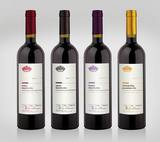 |
This farm grows black currants, blackberries, raspberries, rowans, sea-buckthorn and other berries from which the owner produces homemade wine. The cellar of the castle of the former Order of Kuldīga (with room for up to 25 people) offers tastings of three different wines. Larger groups are welcome to the granary of the Padure Estate. |
|
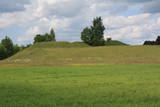 |
This is one of comparatively few castle hills along the banks of the Daugava River that is not overgrown with trees and bushes, which means that it has a classical castle hill form that is part of the local landscape. The Dignāja castle hill was settled during several periods, particularly between the 5th and the 9th century AD, when it was an important centre. Archaeologists have found that Lettigalian tribes lived here. After the Holy Crusade invasion, the Livonian Order built a castle on the hill that has not survived. It is said that there was once an underground passageway under the hill. The hill itself offers a lovely view of the Daugava River valley. World War I trenches have been preserved the area. There was once a settlement at the foot of the hill. |
|
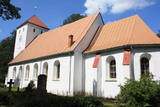 |
Šo sakrālo celtni uzskata par vecāko Zemgales baznīcu, kas joprojām pilda savu pamatfunkciju. Tās celtniecību uzsāka 1567. g. un pēc nopostīšanas atjaunoja 1614. g. Pēc poļu - zviedru un Ziemeļu kara to atkārtoti atjaunoja 1815. g. Dievnamu var apskatīt arī no iekšpuses. |
|
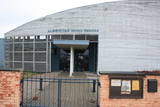 |
Atrodas Celtnieku un Z. Mauriņas ielu krustojumā. Dievnams uzcelts 2000. gadā modernās arhitektūras formās (arhitekti Aija un Andris Kokini), kas simbolizē Noasa šķirstu vai zviedru laivas, kas atnesušas kristīgo ticību. |
|
 |
The biological agronomical farm specializes on growing vegetables and their reprocessing. Grain products – flour, groats, pearl barley. Also available vegetable and flower saplings; flowers. |
|
 |
Ceļa malā, kas ved uz Kärdla pilsētu, ir zivju pārstrādes veikals, kur iespējams iegādāties Hījumā zvejnieku nozvejotas zivis gan svaigas, gan kūpinātas, kā arī tiek pārdoti Hījumā mazo ražotāju produkti. Zivis iespējams nobaudīt arī turpat uz vietas, veikalā ir kafejnīcas stūrītis, bet vasarā ārpusē ir terase.
|
|
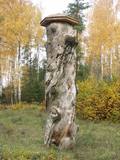 |
In 1951, when it died, the pine tree had a circumference of 4.63 metres. It was the thickest pine tree in the Baltic States
This is one of the few trees with such a long history for which age has been determined by counting up circles – 370 years. All that’s left is a conserved part of the stump at the side of the road. Cross-sections of the stump are on exhibit at the Latvian Museum of Nature and the Latvian Ethnographic Open-Air Museum.
|
|


