
| No | Name | Description |
|---|---|---|
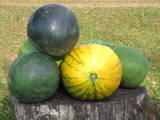 |
The owners began to grow watermelons in 1997, using types that are appropriate for the climate in Latvia. Of particular interest are watermelons which have a yellow interior. The largest watermelon that the farm produced weighed 11 kg. During the season, you can purchase watermelons and hear advice from the owners. |
|
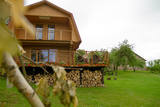 |
The guest house is located in Odziena, Vietalva Parish, Plavinas Region. The house has 5 bedrooms, guests can enjoy a sauna, a pool and a swim in the pond, as well as fishing. There is a large surrounding area for organizing activities and other classes - the guest house is suitable for both relaxation and celebrations. |
|
 |
This wooden pathway will introduce the visitor to a high-type swamp and a unique habitat – a place where sulphur streams flow into the Raganu swamp. The little lakes in the swamp are unique – they are the result of sulphur bacteria, and there is a special range of species in those lakes. The landscape is interesting, and the smell of sulphur pervades, mostly from sulphur ponds. The trail is 800m long and will require 20 minutes to an hour to traverse. The object is on the border of the Zemgale and Vidzeme regions.
|
|
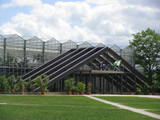 |
The National Botanical Garden in Salaspils ranks as the largest botanical garden in Latvia and in the Baltics with a territory of 136 hectares. The National botanical garden collection consists of about 14 thousand different varieties. More than 5,000 plants are found in the arboretum, as well as various other exhibitions, such as orchards, rosaries, ornamental plants. Botanical Gardens can inspire you to uprade your own garden assortment with new plant varieties and offers the experience of learning about botanical knowledge in nature. In addition, it presents opportunity to expand your personal photo archive with an exclusive background photographs and close-ups. There is a playground for children, comfortable cycling paths, nordic walking paths, picnic possibilities. |
|
 |
The "Pastnieka maja" restaurant is an old restored building in Old Liepāja. Legend has it that a postal carrier named Arvīds used to live there, and the building has been praised for its interior design. The menu offers an attractive look at the life of Arvīds, and it is up to you to believe or disbelieve those stories. Latvian cuisine: Cold soup, sorrel soup, oven-baked cod, catfish and plaice filet, grilled pork ribs, porridge with a bacon and onion sauce, potato pancakes, crepes, stacked rye bread. Special foods: Smoked cod with potatoes, onions and dill in a ceramic ramekin. |
|
 |
As part of the Hotel Jelgava, the restaurant serves traditional Latvian dishes, as well as others. Musical evenings are organised. Latvian cuisine: Steak of Latvian-bred ostrich. Special foods: Corn chicken with spinach-potato mash and grilled new carrots. |
|
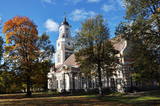 |
The church was built during the rule of Baron Otto Hermann von Fittinghof and built between 1781 and 1788 by the architect Christoph Haberland. Built in the style of Classicism, the church has elements of the Baroque style and a set of colourful rocks in a mosaic on the façade. The organ was built in 1855 by August Martin, and the bell was evacuated to Russia during World War I. The congregation replaced it with a much older bell (1530). The altar painting, “Baptism of Christ” was pained by an unknown artist and was restored in 2000. During the mid-19th century, there were many Estonians in the congregation, so worship services were held in Estonian, too. The church was restored in 1934, and now it dominates the city with its 55.5 m high tower. |
|
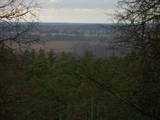 |
This is an area that is full of legend and tale. There is a stiff hillock, which stands about 66 metres above the surrounding land. From its southern side, you can see the Burtnieki lowlands. The tower, however, is not open to the public.
|
|
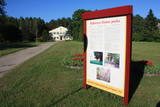 |
The Rubeņu (Rubenes) park dates back to the mid-1950s and is toward the north of Rubeņi, on the banks of the little Dzirnavupīte River. There are beautiful ponds, a stage, a rock garden and a playground for the kids. The cultural centre that is alongside the park features a monument to the poet Rainis which was unveiled during Poetry Days in 1969 and was produced by the sculptor Kārlis Baumanis. |
|
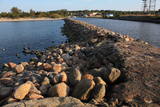 |
Molu (sākotnēji – pāļu rindas ar akmeņu krāvumiem) izbūve pie Sakas ietekas jūrā tika uzsākta 1878. gadā, lai nodrošinātu ostas darbību. 1929. gadā notiek molu pārbūve, pagarinot tos ar masīviem betona blokiem. Pēdējā rekonstrukcija notika 2010. gadā, pārveidojot molus par ērtu pastaigu un makšķerēšanas vietu, no kuras var vērot arī saulrietu. |
|
 |
This lovely territory includes the hillocks of Embūte, which are in the ancient Embūte valley. The aim of establishing the park was to protect the landscape, biotopes and species of the region. An ecological tourism trail has been established in the valley, as has a forest trail through the nature park (accessibly only in the company of a guide). Visitors will learn about the hillocks and ravines left behind by the Ice Age. The ravines and the forests along their sides are protected biotopes. There are also important natural and cultural monuments, including the Embūte castle hill and the ruins of a baronial estate, castle and church. Other points of interest include the death place of the Courlandian warrior Indulis, the Joda dam, meadows, a viewing tower, etc. Three unmarked bicycle trails are in the area. |
|
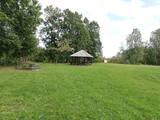 |
Dabas taka atrodas Zaķumuižā un ved cauri vecajam muižas parkam, pa ceļam iespējams aplūkot simtgadīgus kokus, dažādus augus, kā arī dažādus kukaiņus, putnus. Taka ir veidota kā mācību taka un to veidojusi Zaķumuižas pamatskolas skolotāja. Taka ir 1,5 km gara. Tai ir vidējas grūtības pakāpe: takas reljefs ir samērā vienmērīgs, mērens, izņemot atsevišķus posmus (daži stāvumi un kritumi, dažviet nelīdzens reljefs), tāpēc īpaša fiziska sagatavotība pirms takas iziešanas nav nepieciešama. Vietās, kur reljefs ir stāvāks, izvietoti roku balsti, bet pāri muižas dīķu sistēmas ūdeņiem uzcelti divi tiltiņi.
|
|
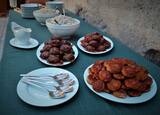 |
Rekovas dzirnavas ir unikāla vieta pašā austrumu pierobežā. “Pirmajā stāvā bija miltu malšana un otrajā stāvā apstrādāja vilnu. Dzirnavas pastāvēja līdz 1980.gadam. Vēlāk ēka nevienam nepiederēja, lietus ietekmē iebruka jumts un faktiski viss bija sadrupis. 2016.gadā zemnieku saimniecības “Kotiņi” saimniekam Aldim Ločmelim radās iespēja iegādāt ēku un saliekot galvas kopā, radās ideja, ka ēkā varētu būt vietējās produkcijas veikaliņš.” Majestātiskā trīsstāvu pamatīgu laukakmeņu mūra ēka, kas atrodas pašā Balvi-Viļaka ceļa malā, ir sākusi dzīvot jaunu dzīvi, kur ikvienam ir iespēja nobaudīt vietējo Latgales produktu garšu dažādā izpildījumā. Dzirnavu saimniece - viena no īstajām latvju saimniecēm Vija Kuļša uzņem tūristu grupas, kurām piedāvā nobaudīt vietējo Latgales produktu garšu dažādā izpildījumā. Ēdienkarte sastāv no piedāvājuma vegāniem, veģetāriešiem un klasiskās ēdienkartes. Viena no galvenajām ēdienu sastāvdaļām ir zs “Kotiņi’’ ražotā produkcija. Ir iespēja pieteikt un darboties arī Meistarklasēs. Tiek piedāvāvāts ēdiens no linsēklām, linu eļļa, dažādi salāti, ko var gatavot ar linu eļļu. Linsēklas izmanto pašu ceptā maizītē, sāļajā baltmaizē ar linsēklām. Linsēklas Rekovas dzirnavu ēdienkartē ir tikai viena no izejvielām, bet tieši tās ir centrālais varonis jaunajā Ziemeļlatgales kultūrvēsturiskā tūrisma piedāvājumā “Linu ceļš Ziemeļlatgalē”. |
|
 |
At the Žīguri Parish kindergarten, guests are offers a guided tour of forest life. The owner’s stories about the forest and its residents will be of interest to everyone. The Anna Āze Forestry Museum offers some of the true treasures of Latvia’s surprising forest world. It has been declared the best destination for families in Latvia.
|
|
 |
Atrodas pie Jēkabpils – Rēzeknes autoceļa (A 12), - autostāvlaukuma malā. No torņa redzama samērā plaša Teiču purva daļa ar atsevišķām salām (kokiem apauguši paaugstinājumi) augstā purva ainavā. Teiču purvam ir dabas rezervāta statuss, tādēļ apmeklējams ir tikai tornis. |
|
|
|
Ķesteri – the home where the Liv cultural activist and organist Kārlis Stalte
(1870-1947) was born.
|
|
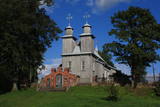 |
Одна из самых красивых деревянных церквей Южной Латгалии. Построенный из бревен и обшитый досками храм строился в период с 1750 по 1751 гг. Сохранился алтарь работы XVIII века (резьба по дереву, барокко) и проспект органа, а также более 30 предметов, имеющих художественную ценность. Во дворе церкви в XIX веке построена колокольня. В направлении озера Рушонс построен деревянный пасторат. |
|
 |
The restaurant is in the centre of Jelgava among residential buildings. It is known for its interesting interior and for the musical and other events that it organises. Latvian cuisine: Farmer’s omelette, roast pork with chanterelles and wild mushrooms, grit risotto, strawberry soup with ice cream, crepes. Special foods: “Kiss from Šarlote” – layered egg-cottage cheese crème and jellied juices. |
|
 |
Находится в Пастари, примерно на расстоянии 2,5 км от дороги Прейли - Виляны, в самом высоком месте с красивейшим пейзажем на Латгальскую возвышенность. Ветряная мельница голландского типа (с вращающимся механизмом крыльев) построена в 1902 году. В 2012 году были восстановлены крылья ветряной мельницы. По предварительной договоренности мельницу можно осмотреть изнутри. |
|
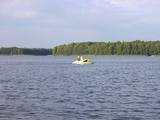 |
This nature park protects the landscapes of the Latgale highlands. Of importance here are Lake Ruskulis and Lake Cīrītis with its eight islands, along with the forests of the area. An ancient castle hill is on one of the islands in Lake Cīrītis – the Upursala island. There and on the Oši island, specialists have found more than 250 species of plants. |
|


