
| No | Name | Description |
|---|---|---|
 |
A light meal with pure taste, which was so common during the times of our grandmothers, is now considered a gourmet privilege. Meals characteristic to this region are served here. It goes without saying that ingredients are pure and from the vicinity. |
|
 5 days
|
This route passed along many places where events directly related to the emergence of the Latvian state and to the subsequent freedom battles occurred. The historical route from Rīga to Liepāja via Dobele, Saldus, Skrunda, Durbe and Grobiņa was used as long ago as the 13th century. People in the Kurzeme region of Latvia have always eat sea, river and lake fish, particularly smoked fish. Potted smoked cod, served in a clay pot, is a particular delicacy, as are smelts, sea pike, sprats, herring and salmon, available all year long. Ladies of the house bake tasty rye bread, sourdough bread and tasty carrot buns, and they also cook various porridges from barley. Dairy products, Summer Solstice cheese and “white butter” has an important role. Fresh goat milk cheese is prepared with dills and garlic, and goat milk cheese is also tasty. Menus will include local domestic fowl and meat dishes, including roasts, ribs, sausages, as well as more exotic dishes such as pig’s tongue and bull testicles. Fancy taverns will offer pheasant and wild game with mushrooms, lingonberries, juniper berries and wild herbs. In Kurzeme you will be greeted with delicious pies, sheet cakes, poppy seed pastries and honey cakes, biscuits with poppies and cranberries, dessert from rye bread, lingonberries or cranberries and sweet cream.Blackberry dumplings are popular. More unusual are marmalades made from wild plants such as mountain ash, cranberries and even fir needles. Slake your thirst with aromatic herbal teas with honey and enjoy a mug of beer or some homemade wine. |
|
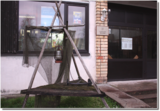 |
The Lapmežciems Museum features
information about the history of the local
parish, its school and its fishing industry.
There are also exhibits featuring World
War I battles near Klapkalnciems which
involved Finnish soldiers. The museum
also organises themebased exhibitions.
Alongside it is a memorial rock for the
politically repressed.
|
|
 |
The saloon is in the centre of Jēkabpils near the Daugava River dam. It offers exotic dishes. Latvian cuisine: Cheese salad, wild mushroom soup, ramekin of chicken or pork, strawberry soup with ice cream. |
|
 10 days
|
Этот тур рассчитан на семейный отдых. В нем культурные и природные достопримечательности сбалансированы с множеством забав для детей. Маршрут включает в себя несколько ферм, где можно понаблюдать за домашними животными и Природные тропы Лигатне, где можно увидеть диких животных. На пути есть несколько средневековых замков и живописных городов. Побережье моря встретит Вас песчаными пляжами и рыбацкими деревушками, где Вы сможете отведать копченой рыбы. Национальные парки Гауя и Слитере предложат Вам несколько природных троп и живописные пейзажи. |
|
 |
This is a small river in a very deep and broad valley that is crossed by the Vecumnieki-Ilūkste road. Vilkupe was named in relation to the ambitious plan of Duke Jacob of Courland to link the river basins of the Daugava and the Lielupe rivers. Vilkupe was meant to be one of the components in this canal. This is a good place to think about the scope and innovation of Medieval people and their ideas. A fragment of the canal is marked and can be seen a bit less than 4 km from the populated location that is also called Vilkupe.
|
|
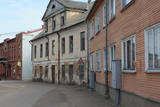 |
Aizputes pilsdrupas, akmens tilts pār Tebru, Jaunā pilsmuiža, ūdensdzirnavas un Sv. Jāņa luterāņu baznīca, kā arī 19. gs. beigās celtās koka ēkas starp Jāņa, Katoļu un Atmodas ielu veido neparastu pilsētbūvniecības kompleksu, kam piešķirts kultūras pieminekļa statuss. Staigājot pa vēsturisko centru, uzmanība jāpievērš ēku durvīm un to vērtnēm, logu ailēm, balkonu margām u.c. elementiem. |
|
 |
The café is in the former administrative building of a collective farm in the centre of Gaigalava. It cooks dishes with ingredients from its own farm and others. |
|
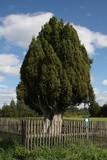 |
This is the thickest common juniper (Juniperus communis) in Latvia and the Baltic States. It stands in the middle of a field and looks wonderful. The tree is sometimes known as the Rieteklis juniper, because the Latvian poet Rieteklis (Jūlijs Eduars Balodis, 1856-1940) like to sit under it.
|
|
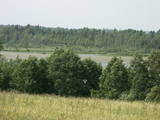 |
Dabas liegumā ietilpst divi aizauguši ezeri ar grūti pieejamiem krastiem - Lielais un Mazais Asūnes ezers, kas atrodas dienvidos no Asūnes ciema. Abus ezerus var vērot, atrodoties ārpus lieguma teritorijas - no blakus esošo pauguru augstākajām daļām, kas atrodas austrumos no abiem ezeriem. Ja līdzi būs paņemts tālskatis, iespējams, izdosies iztālēm novērot šeit esošās aizsargājamās putnu sugas, piemēram, melno zīriņu. |
|
 |
This is an ecological and biodynamic medicinal plant farm that is run by two sisters who produce herbal teas and spices. Educational programmes offer information about the plants and their medicinal properties. You can lease bikes to ride down the bike paths of the Žemaitija National Park. |
|
|
|
The pizzeria is situated in Kuldiga, not far from the city’s historical centre. Stender’s pizzeria with its nice comfortable setting offers special Stender’s pizzas which are baked according to the old traditions of pizza-making, incorporating the best of nowadays’ recognitions. Undoubtedly, it is impossible to do without pancakes and pots, as well as second-course dishes. |
|
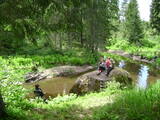 |
The trail tells about grey dunes which have survived thanks to the border restrictions and the presence of military. The trail starts from the parking place at the mouth of the Užava river. It is one of the few natural rivermouths in Europe. One can also see the „tacis”, an industrial installation for lamprey (Lampetra fluviatilis) fishing during their spawning migration period. The 3km long trail is circular. It winds for 1.5km from the Užava rivermouth to the North, along the coastline (the beach is covered with sand and pebbles), and returns to the starting point by a gravel road through grey dunes. Along the trail, one can observe a distinct white dune with rare plant species Linaria loeselii, Lathyrus maritimus, Anthyllis arenaria, Tragopogon heterospermus. About 1km from the rivermouth, in the sea, one can see a wrack of a sailing ship (parts of frame). The visibility depends on the flow of sand in the sea. The way back opens a beautiful view of the range of grey dunes. Unfortunately, Scots Pine starts taking over the area. There are three important biotopes of EU significance: „Fixed dunes with herbaceous vegetation 2130”, „Decalcified fixed dunes with Empetrum nigrum 2140” and „Dunes with Salix arenaria 2170”, forming a unique mosaic. Typical species here: mountain Alison ‘(Alyssum gmelinii), Pasqueflower (Pulsatilla pratensis), Sand Pink (Dianthus arenarius), Rosemary Leaved Willow (Salix rosmarinifolia), Dark Red Helleborine (Epipactis atrorubens), Kinnikinnick (Arctostaphylus uva-ursi). As a former military site, some military constructions can be seen here like horseshoe-shaped sand ramparts by the road in gray dunes. They were built to disguise military vehicles in case of sea attack. By the Kangroti graveyard, towards the Užava river, there is an underground pillbox. It is a one-man fortification to fire along the coastal perimeter. The Mouth of River Užava walking route is in the nature reserve „Užava” |
|
|
|
Ap 400m garš un līdz 16m augusts atsegums upes kreisajā krastā.
|
|
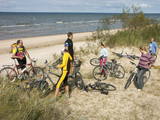 |
The Slītere National Park (established in 2000) is known, with good reason, as an open-air museum which shows the historical development of the Baltic Sea. Nowadays evidence of geological events is seen in the Blue Hills of Slītere, which stand 20 to 30 metres high above what was the shore of the Baltic lake of ice 10,000 years ago. The Stiebri hills were former 8,000 or 9,000 years ago, while the Littorina Sea formed Europe’s largest set of dune ramparts and damp hollows between those ramparts. This occurred between 4,000 and 7,000 years ago. The gentle climate of Northern Kurzeme is the reason why so many rare plants are found in the park – some 860 in all including Common Yew (Taxus baccata) and Baltic Ivy (Hedera helix var. baltica). Of certain value in the preservation of these treasures was the Soviet military machine, which has left behind army bases and other military objects in the area. The presence of the military meant that the area of what is now the Slītere National Park remained largely undisturbed for 50 years. The park includes one of the most popular tourist destinations in Latvia – the Cape of Kolka, which is visited by more than 50,000 travellers each year. During the spring migration of birds, more than 60,000 birds cross the cape each hour. Along the shore of the Baltic Sea is the so-called Livonian coast, which stretches from Kolka to Sīkrags and Ovīši. Fishing villages and other cultural objects established by the world’s smallest ethnic minority, the Livonians, can be found here. Tourists will enjoy interesting four nature trails, bicycling routes, viewing tower, etc. The visitors centre is located at the Slītere lighthouse. Administration of National park is organising environmental education events on regular basis open to everyone. |
|
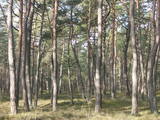 |
Ap 100 gadus veca priežu audze, ko iesēja pagājušā gadsimta sākumā. Sēklu materiāls bija nācis no kādas Vācijas (Darmštatē) sēklu tirdzniecības firmas. Mūsu klimatiskajos apstākļos priežu stumbri izauga līki un kroplīgi. Savdabīgā audze labi redzama no šosejas malas.
|
|
 |
Mājas restorāns mājīgā, autentiskā lauku vidē, kur tiek pasniegti lauku ēdieni, uz galda celtas svaigas jūras veltes, kuras atceļojušas no Francijas, Spānijas vai Norvēģijas, kā arī vietējās, pašu saimnieku kūpinātas zivis. Ēdienkarte tiek radīta katru dienu no jauna, kas ikdienā ļauj piedāvāt svaigus produktus.
|
|
 |
Roograhu ostas restorāns atrodas tieši jūras krastā un ir atvērts visu gadu. Sortimentā ir picas, gardas zupas, salāti un pamatēdieni. Roograhu ostas restorāna ēdienkartē netrūkst arī vietējo sezonālo zivju. Ostas ēkā darbojas arī viesu māja un kubla pirts ar skatu uz jūru. |
|
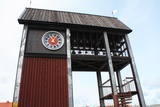 |
Tāpat kā Ventspils Rātslaukums, arī Tirgus laukums ir uzskatāms par pilsētas vēsturiskā centra nozīmīgu daļu, kura apkaimē ir saglabājies senais ielu plānojums. Kādreizējā Rātsnama vietā tagad slejas kariljonu zvana pulksteņu tornis. Tas zvana katru stundu, bet 12:33:44 un 00:33:44 ar īpašu melodiju ieskandina astronomisko Ventspils laiku. Tirgus laukumā ir aka, kas saulainā laikā darbojas arī kā Saules pulkstenis. Monētu automātā var izkalt īpašu piemiņas monētu. |
|
 |
This garden on the banks of the Bērze River is known as a rock fairy tale and a miraculous garden. The garden has rocks of various forms and sizes, including milling stones, distance markers and border posts related to parishes. The exhibition is supplemented by decorative plants and compositions of plants that are the responsibility of the lady of the house. |
|


