
| Nr | Nosaukums | Apraksts |
|---|---|---|
 |
Meklējams Zirgu salas dienviddaļā – uz t.s. Golodova dambja. Tornis pieejams kājāmgājējiem un velobraucējiem. Automašīna jāatstāj pie Ezermalas ielas. No torņa redzams plašs skats uz daļēji aizaugušo Liepājas ezera ziemeļdaļu. Laba putnu vērošanas vieta. Ietilpst Liepājas ezera dabas lieguma teritorijā. |
|
 |
Atvērtā permakultūras saimniecība “Lejas Varicēni” aicina iepazīt alternatīvu veidu, kā saimniekot laukos. Raķetes krāsnis, saules paneļu un saules kolektora sistēma DIY vai pašu rokām, hobitu namiņš, saules žāvētājs, paugurdobes un citas alternatīvas metodes, kā efektīvi un videi draudzīgi dzīvot un saimniekot laukos. |
|
 |
Atrodas Tukuma centrā. Piedāvā latviešu ēdienus. Sadarbojas ar vietējiem zemniekiem un lauku labumu ražotājiem. |
|
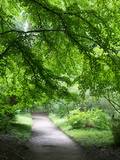 |
Dendrārijs dibināts 1931. gadā, tas tapis pēc slavenās latviešu rakstnieces Annas Brigaderes ierosmes. Pēc viņas nāves stādījumus uzturēja un papildināja grāmatizdevējs Jānis Rapa līdz 1935. gadam. Kopumā te tiek iestādītas 180 svešzemju koku un krūmu sugas, šķirnes un formas. Stādījumi veidoti arī dendrārija tuvākajā apkaimē.
Unikāli eksemplāri: Knābjlapu osis (Fraxinus chinensis), melnais riekstkoks (Juglans nigra), kailā zirgkastaņa (Aesculus glabra), parūkkrūms (Cotinus coggyria), baltais zīdkoks (Morus alba), Amerikas dzeltenkoks (Cladrastis kentukea).
|
|
 1 diena
|
Dodieties ekskursijā, lai gūtu ieskatu lauku profesijā un dzīvesveidā, kā arī iegūtu jaunus iespaidus un labu atpūtu visai klasei. Ekskursijas sākumā apmeklējiet savvaļas dzīvnieku parku, kura voljēros dzīvo ~ 200 dambriežu. Tālāk dodieties uz saimniecību, kur aug vairāk nekā 100 augu sugu un šķirņu - ekskursija pa saimniecību, augu stādu iegāde, tēju, augļu un ogu degustācijas. Pēc tam apmeklējiet Skrīveru pārtikas kombinātu, kurā iespējams iegādāties gardās Gotiņkonfektes un doties ekskursijā. Brauciena noslēgumā - Skrīveru mājas saldējums ar stāstījumu par saldējuma gatavošanu un degustāciju. |
|
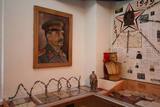 |
Kurzemes cietokšņa muzejā skatāma bagātīga un saistoša ekspozīcija par Otrā pasaules karadarbību Kurzemes cietoksnī un tālākajiem latviešu karavīru likteņiem. Te apskatāma I un II Pasaules kara vēstures ekspozīcija ar novadpētnieciska un militāra rakstura priekšmetu kolekciju, YI-2 lidmašīna, bruņutransportieris, Sarkanās armijas tanks (viena no retajām vietām Latvijā, kur šāds objekts ir saglabājies) un izstaigājami restaurētie tā laika ierakumi un bunkuri. Kolekcijas veidotājs ir nozares entuziasts un vietējais novadpētnieks.
|
|
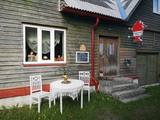 |
Patvāru nams ir neliels patvāru muzejs, kas atrodas Varnjas vecticībnieku ciematā netālu no Peipusa ezera. Muzejā ir eksponēta privāta kolekcija ar vairāk nekā 100 dažādiem un ļoti īpašiem patvāriem un priekšmetiem, kas saistīti ar patvāriem. Muzejā var uzzināt daudzveidīgu informāciju par patvāriem. Tiks pastāstīts par patvāru vēsturi, formu, lielumu un tējas dzeršanas tradīcijām. |
|
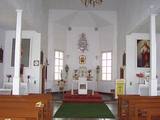 |
Strūžānu Vissvētās Trīsvienības draudzes katoļu baznīca
atjaunota un iesvētīta 1958. gadā. Tā kā padomju varas gados neļāva
būvēt torņus, ēka atšķiras no pārējām baznīcām ar beztorņu arhitektūru.
|
|
 |
The craftswoman produces beautiful rag blankets, bags, as well as pillows with ranges and combinations of colours that are typical in Latgale. You will learn about the weaving techniques and be able to examine finished products. You can weave your own rag blanket and commission and purchase the products. |
|
 |
Vermutlich ein heidnischer Hügel. Schöner Blick auf die 6 Seenlandschaften. Ein Symbol vom Nationalpark. |
|
 |
The saloon is in the most popular pedestrian thoroughfare in Jūrmala. The wooden building is typical of the town, has a nice interior and offers Latvian cuisine. The saloon offers the largest selection of Latvian draft beers. Latvian cuisine: Lamprey chops, pike haché, potted lamb a la Courland, sautéed pork ribs, fried Baltic plaice, bread soup. |
|
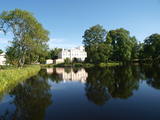 |
The castle, built in 1880 by von Pistolkors family, has been renovated and awaits guests in its new splendour. Guesthouse 78km from Riga. Premises for banquets, wedding, seminars. Sauna, swimming pool. Cultivated landscape.
|
|
 3 days
|
The tour starts and ends in Klaipeda, the most popular seaside resort town in Lithuania. Klaipėda University Botanical Garden has a coastal ethnographic garden with flower arrangements characteristic of this area. Kretinga Manor Park is one of the oldest surviving 16th–18th century manor parks in Lithuania. Palanga Manor housing the Amber Museum and Birutė Park is one of the best-preserved manor complexes in Lithuania. The largest Japanese garden in Europe (16 ha) is a home to collection of traditional aromatic plants and vegetables. Rucava arboretum displays a collection of magnolias. In Nīca village, 7 decorative gardens maintaining the local gardening tradition are open for visitors. Historical cultivars are carefully selected to renew the orchard and romantic landscape park at the 18th century Tāšu (Telsen) estate in Grobiņa region, Latvia.The Izidorius Navidanskas Park has over 120 species of trees and shrubs. Visit an outdoor plant exhibition at Jadvyga Balvočiūtė Farm - growing medicinal herbs and spices, selling organic sprouts, single herb teas and herbal mixtures. Also Beržoras Homestead in Žemaitija National Park grows a variety of medicinal and culinary herbs, garden plants and aromatic herbs. Plungė Manor, called the “Versailles of Samogitia”, is one of the most famous surviving ensembles of its kind in Lithuania. Steponas Darius Birthplace Museum features a unique orchard of impressive size and scope. The Švėkšna Manor Complex features a sculpture park, scenic views, trails, gates, and a Chinese-Japanese maidenhair tree (ginkgo biloba) which stands 18 metres high and 70 centimetres in diameter. Šilutė Manor has two parks – an English landscape park with walking paths and the forest park known as Varnamiškis, or “Crows’ Forest”. |
|
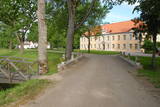 |
The estate of 12 buildings and a park has survived almost completely to this very day. The main building of the estate was erected on a largish oval island in the 1840s, and it has a moat all around it. This was meant to resemble fortified Medieval castles. The mansion is currently home to the local parish government, library and post office. Visitors can take a tour of the estate and its surroundings. There are stories about the estate to say that the baron had a beautiful daughter who, like the Rose of Turaida, refused to obey her father's instructions. Go to Veselava, and you'll hear the whole story! |
|
 |
A café and bakery in Kuldīga that offers fresh, home-made pastries until the very evening. |
|
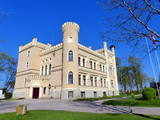 |
The mansion of the Gārsene Estate is built in the Neo-Gothic style, and its design was based on a villa in Germany. The building was erected between 1856 and 1860, and from then until 1920, the baronial dynasty of the Budbergs and Beningshausens owned it. The castle was expanded with another wing in 1885. Between 1939 and 1940, the building was rebuilt to become a school, and President Kārlis Ulmanis attended its opening on June 2, 1940, when he was taking his last official trip as the country’s president. There are other buildings and a park on the estate. The mansion today is home to the Gārsene Elementary School, but there is also an exhibition featuring the baronial dynasty, the history of the school, and the town itself. Just wait until you see the pot-bellied stoves! Outside the mansion are the Gārsene nature trails – the cultural and historical trail, the baronial strolling trail, etc. Before setting off, buy a ticket at the mansion. In front of the mansion is a memorial stone to Professor Pēteris Kulitāns (1878-1951), who was an agro-chemist. |
|
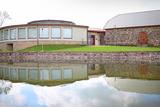 |
This is a modern and contemporary centre, including an old and restored granary. It offers an exhibition hall, an historical exhibition, a shop where you can purchase crafts, and a conference hall. Craftspeople from the region work here, and you watch them at work or try your own hand at what they are doing. |
|
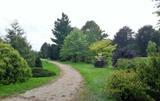 |
Work on this arboretum began in 1958 at a local forest research station that is near the village of Vaišvidava. The arboretum collects and exhibits various local and imported plants for scholarly, educational and decorative purposes. The arboretum covers some 50 ha of land, with more than 800 types of plants. Some parts of the arboretum have rare and protected trees and bushes, and these can only be visited if you contact the arboretum in advance. |
|
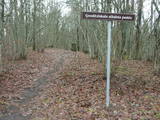 |
Zilais (Blue) Hill is the highest point in the Idumeja highlands – it is a very distinct hillock covered by forest, and from it there is a “narrow” landscape featuring the northern part of the highlands, as well as the Burtnieks flatlands. The restricted area is there to protect habitats such as gullies, hillsides and the boreal (northern) forest of the area. Zilais Hill is a popular tourist destination.
|
|
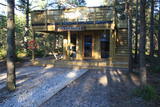 |
Summer cafe "Divjurinas" is located at Kolkasrags, open from May to October. |
|


