
| No | Name | Description |
|---|---|---|
 |
Organically certified farm. Produces greens, vegetables, micro-greens, vegetables and berry powder (gauze, balanda, dandelion, nettle, driven). Grown all year round. Offers product delivery in Riga, Valmiera, Cesis and Sigulda. |
|
 |
The saloon is in the most popular pedestrian thoroughfare in Jūrmala. The wooden building is typical of the town, has a nice interior and offers Latvian cuisine. The saloon offers the largest selection of Latvian draft beers. Latvian cuisine: Lamprey chops, pike haché, potted lamb a la Courland, sautéed pork ribs, fried Baltic plaice, bread soup. |
|
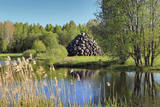 |
This pile of big rocks stands around 9 m high and is some kind of monument to Krišjānis Barons and his achievements on behalf of the Latvian people. His parents lived at the Valpene Estate, and the rocks contain engraved names of lost homesteads from the region. Their direction in the pyramid indicates where the homesteads used to be. The idea for the rocks came from Imants Ziedonis, and the pyramid was built by the sculptor Vilnis Titāns. |
|
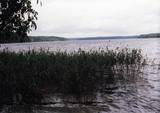 |
Ap 9,5 km garais un līdz kilometru platais ezers atrodas subglaciālā – t.i. ledāja veidotā vagā, tādēļ tas ir ne tikai Lietuvas, bet arī otrs Baltijas dziļākais ezers (pēc dažādiem avotiem 60,5 m vai 62,5 m). Tauragna dienvidu krastā paceļas Taurapils pilskalns (Taurapilio piliakalnis). Saglabājušies nostāsti gan par pagānu priesteri, kas te dzīvojis, gan nogrimušu baznīcu, gan laikiem, kad pilskalnu no visām pusēm apņēmis ūdens. No pilskalna plakuma paveras visaptverošs skats uz Tauragnu. |
|
 5 days
|
Ancient trading routes provided not just goods, but also knowledge and culture. The Light’s rout relates to the Reverent Ernst Gluck, who was a writer, the first translator of the Bible into Latvian, and a founder of Latvian children's schools, the Hernhutian movement of brothers, Kārlis Skalbe, the Kaudzīte brothers, Jānis Poruks, Antons Austriņš and their spiritual heritage. People in Vidzeme bake rye, wheat, barley, spelt and grit bread with various seeds, caraway seeds, nuts, dried fruit and hemp seeds. Hemp is used to produce traditional butter, oil and dumplings made with grey peas. It is also added to candies and even chocolate. Barley flour in the past was used only for celebrations, but today people will teach you how to use it to bake water pretzels with salt and caraway seeds. Visit farms and restored windmills to track the route of grain. Taste traditional Summer Solstice cheese, as well as Green cheese and tasty goat cheese. Pipe perch from Lake Burtnieks is a local delicacy, and you will also find trout, catfish and sturgeon, as well as crabs in season. Local meat and fowl dishes are popular, including dishes made with rabbit. Kitchens at aristocratic estates will offer wild game and pheasants with forest goodies and wild herbs. In Vidzeme you can meet the Garlic Queen, who prepares plant powders. Enjoy pies, sheet cakes, honey cakes, desserts of whipped cottage cheese, mountain ash, quince, apples, sweet cream and rye bread, as well as blackberry or apple dumplings. Slake your taste with herbal teas with honey, birch juice, berry lemonades or, if you're looking for something stronger, some tasty beer or wine. |
|
 |
The bakery and cafe in Saulkrasti – not far from Saulkrasti railway station. The baker offers pierogi, cakes and other baked goods, as well as dishes for all meals. A second café can be found at Raiņa Street 7 in Saulkrasti. Latvian cuisine: Cold soup, potato salad, sauerkraut, homemade steak haché, grey peas and bacon. Special foods: Pizzas cooked in a wood-fired oven. |
|
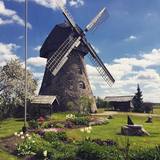 |
The windmill is on a hill and offers a lovely view. This is one of the few Dutch-type windmills (built in 1852) to still be in operational order, and guests can help to grind grain. On the last Sunday of every July, the windmill organises a celebration in honour of St Jacob and of bread baked from freshly harvested rye. Latvian cuisine: Miller’s lunch – wheat flour porridge with meat sauce, crepes, kefir, herbal teas. |
|
 |
Located on the bank of the Gauja River in the northern part of Līgatne is the only functioning crossing point on the Gauja River and the only one in the Baltic States which is powered by the river itself. This is a public transportation resource of local importance. |
|
 |
The Lapmežciems People’s Centre was
built in 1957 and is home to the local
administrative district’s council at this time.
|
|
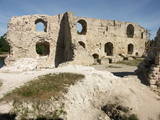 |
The ruins of the Koknese Castle are found where the Daugava and Pērse rivers flow together. The castle, which is on a floodplain, was built for the bishopric of Rīga in 1209, and it replaced an ancient Latvian castle that was made of wood. The castle was blown up by Saxon forces in 1701. A visitors centre is near the ruins, and there you can carve a Medieval coin or rent a boat to sail down the Daugava. Make sure to stroll through the Koknese park, which is alongside the ruins. |
|
 |
The owner of this farm produces ecological vegetables, fruits and berries, and two protected breeds of cows. She chairs a club for lovers of horses and breeds local breeds of horses. The owner has a horse breeding museum with more than 1,000 exhibits. She also organises various celebrations for the Assumption of Mary festival, etc. |
|
 |
Atrodas Rīgas – Daugavpils autoceļa (A 6) 118. kilometrā. |
|
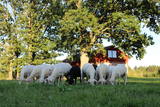 |
Saimniecībā tiek audzētas gaļas šķirnes (Suffolkas) aitas un piena šķirnes (Ostfrīzijas) aitas. Ganāpmulka aizsardzībai saimniecībā strādā ar sargsuņiem, Pireneju kalnu suņiem, kas ir pasaulē arī plaši pazīstama suņu šķirne mājlopu un mājputnu apsargāšanai no lielākiem un mazākiem plēsējiem. Saimnieki piedāvā iegādāties premium klases, saimniecībā audzētu, jēru gaļu un aitu piena produktus- Fetas tipa sieru, grilsieru, jogurtu bez piedevām un vairāku veidu saldējumus. |
|
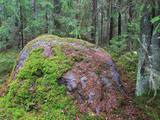 |
The Grandboulder of Komultēni is situated in Sakstagals rural municipality in the forests; around 700
m from Jēkabpils – Rezekne road to the NE of Komultēni. The flat top and the sides are cracked. Boulder consists
of the magmatized gneiss. The circuit of the boulder is 15 m, length 5 m, width 3 m, height 1.8 m,
capacity about 20 m3.
|
|
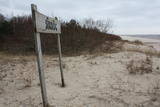 |
This is one of the oldest Livonian villages, recorded in documents for the first time in 1387. The old road from the Dundaga Estate to Sīkrags existed in the Middle Ages. During the 17th century, Sīkrags was one of the most important small ports in Northern Kurzeme, receiving ships from England, Holland and Lubeck that carried coal, grain and other products. Before World War I, there were five sprat smokehouses in the village, and some 55 fishermen lived there during the 1920s and 1930s. Among those to have been born in Sīkrags was the Livonian cultural activist Hilda Grīva (Cerbaha, 1910-1984), seafaring captain Kārlis Anbanks (1884-1937), Baptist preacher Kārlis Lāceklis (1904-1970), linguist and tradition specialist Pēteris Dambergs (1909-1987), and graphic artist Baiba Damberga (b 1957). Today the village is a cultural monument of national importance. It is crossed by a bike route, with a commemorative stone where the narrow-gauge railroad station once stood. Sīkrags, like neighbouring villages, is in the Slītere National Park. |
|
 |
Medinski Vincīši boulder also called Magoņkalns (Poppy hill). Red rapakivi granite boulder is found
in the tree cluster only 40 m to the left of Jaunviļāni – Medinski road and about 40 m from the right side of
the river Malta. The boulder is 6,6 m long, 5,4 m wide and 3,3 m high. The circuit of the boulder is 20 m
and the volume 40 – 45 m3.
|
|
 |
Četrus kilometrus gara marķēta lokveida taka, kas ved pa lielāku meža masīvu, iepazīstina ne tikai ar augiem un dzīvniekiem, bet arī mežsaimniecības tradīcijām. Takas sākums atrodas pie nelielā Perejerves ciema, uz kuru paveras labs skats no tuvējā paugura. Pie autostāvlaukuma izveidota atpūtas un piknika vieta. |
|
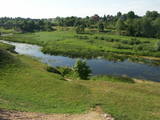 |
The Bauska Nature Park runs for several dozen kilometres along the Lielupe River and its tributaries – the Mūsa and the Mēmele. This is a protected territory. The shores of these rivers contain some of the largest dolomite cliffs in Zemgale. These are protected both as biotopes and as geological monuments. The rivers are important places for river lampreys and vimbas to spawn. Tourists will be attracted by the cultural landscape of the area, as well as the cultural monuments such as the Bauska castle, the Jumpravmuiža park, the Mežotne castle hill, Vīna Hill, the Mežotne castle, etc. The rivers are used for water tourism. |
|
|
|
Together with Valga on Estonian side - a peculiar frontier twin town. |
|
 |
To the East of the Ezermuiža-Dūmele road you will find the bed of the ancient Lake Dieviņezers. It was one of the largest lakes in Kurzeme in the past, being 7.5 km long and 1.6 km wide. A canal was dug in 1838 (Melnsilupe River today), and the water from the lake was siphoned to the sea so as to create fertile farmland. Residents of Ezermuiža have been involved in forestry work since the age when barons ruled the land. Dūmele is connected to Košrags by a lonely forest road that is known as the Bottom Road. A bike route runs down it. The Ziedkalni weekend house is in Dūmele. The "Ziedkalni" homestead in Dūmele offers spa services, cod fishing and accommodations. |
|


