
| No | Name | Description |
|---|---|---|
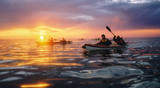 |
The company runs wildlife tours: rafting in early spring, kayaking in summer (with beaver watching upon request), bog and snowshoeing round the year, kick-sledging in winter. Our experienced guides tell exciting stories of wildlife and history. |
|
 |
An organic farm where it is possible to read and taste strawberries directly from the field during the season. There are also real wild strawberries. Sea buckthorn is also grown, can be read and tasted in September. Small-scale processing (juices, syrups, frozen products, jams) - home producer status. |
|
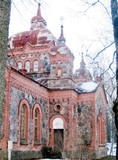 |
Nītaures vēstures takā var apskatīt un iepazīt dažādus vēsturiskus objektus no 13.gadsimta līdz mūsdienām - seno pilskalnu, vācu ordeņa pilsdrupas, luterāņu un pareizticīgo baznīcas, soda vietu un muižas seno apbūvi. |
|
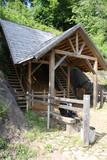 |
The park was established to protect the Venta River valley and the landscapes that are around its tributaries. On the west bank of the Venta, at Papilė, there is a cliff from the Jurassic period which is unique in the Baltic States, has been known since 1925, and has layers in which more than 300 forms of life have been identified over the course of time.
|
|
 |
The restaurant is alongside the Villa Elizabete guesthouse with a summer terrace and a fireplace room and library where diners can enjoy their meals when it is cold outside. Latvian cuisine: Marinated Baltic herring with cottage cheese, cream of mushroom soup, grilled pork chop, veal steak, grilled tench. Special foods: Captain Grant’s cheesecake. |
|
 |
Honey makers introduce guests to their beekeeping farm and the daily responsibilities of the bee-keeper. You can also taste and buy honey, as well as various honey mixes and cold-dried berries. |
|
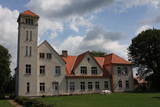 |
Jānis Čakste (1859-1927) was Latvia’s first president (1922-1927), and he began to build a house for himself in 1924. In 1999, in honour of the 140th anniversary of the president’s birth, an exhibition was unveiled about his life, work and family. Čakste’s office can be toured, and artists from Jelgava exhibit their works at the museum, as well. |
|
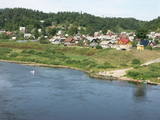 |
An ancient Latgalian settlement. During the 10th century Kraslava district was under authority of the Prince of Polotsk, but the 13th century - under the authority of the Livonian Order. Until the beginning of 18th century it existed as a manor centre. In 1729 Kraslava was bought for 1400 thalers by Johan Ludvig Plater. Plater family ruled Kraslava for two centuries. In the of the18th century Platers began construction of Krāslava palace. After first division of Poland in 1772 Latgale was annexed to Russia. Kraslava began to perish. After construction of Riga - Daugavpils - Vitebsk railway (1865) economic life flourished again. Kraslava was little affected by the World War II, therefore, early wooden buildings of 20th century remained almost untouched. |
|
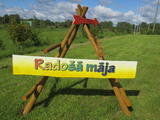 |
This venue organises seminars, courses and activities related to Latvian holidays and family celebrations. There are master’s classes about culinary heritage in
|
|
 |
Saimniecības laukos ganās ap 300 aitu kupls ganāmpulks, no kura iegūst gaļu un vilnu. Piedāvā ekskursiju, kurā stāsta par aitu audzēšanu, cep maizi, auž un uz ugunskura vāra zupu. Apmeklētāji var iegādāties adītas zeķes, cimdus, segas, lakatus, galdautus un citas saimniecībā noderīgas lietas. Stāsta par atjaunotās mājas vēsturi un kopj latviskās tradīcijas. |
|
 |
Atrodas Raganas centrā pie degvielas uzpildes stacijas, viesnīcā „Raganu ligzda”. Piedāvā mūsdienīgu Latvijas virtuves ēdienkarti. Kompleksās pusdienas. Sadarbojas ar vietējām zemnieku saimniecībām. |
|
 2 days
|
A scenic and tradition-rich stretch of the Forest Trail symbolised by the onion. Onions were brought to the region by Old Believers in the 17th century. Ladies and gentlemen selling home-made onion strings on the roadside have become somewhat of a business card of the villages. The villages on the twenty-four kilometre stretch of road between Varnja and Kallaste are connected by the tourist route called Onion Road. The landscape is decorated by colourful wooden houses, small fish shops and a restaurant where you can enjoy tea made in the samovar, true to the traditions of Old Believers. You can visit the Kostja’s onion farm, where the host welcomes the guests and shows them onion cultivation. It is also worth visiting the Chicory Museum in Kolkja to get acquainted with the history of chicory cultivation in row villages near Lake Peipus. At the end of the trail you will reach Alatskivi, where the famous Alatskivi Castle is located. |
|
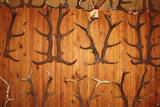 |
Found at the Purvziedi homestead in Vaide, this collection of more than 600 horns has been established by forest guard Edgars Hausmanis, who says that he found all of the exhibits in the forest. |
|
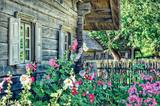 |
This museum focuses on life in the countryside and was opened in 1991. It sits on 18 ha of land, with authentic farms from the Augštaitija region. |
|
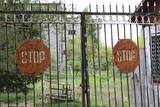 |
The first Dnyestr-M radar station was opened here in 1969 to calculate the trajectories of ballistic missiles. The trajectories of satellites were also calculated here. The range of the radar station was 5,000 km. In 1972, construction began on a second, more modern radar, the Dnyepr-M. In 1977, it was ready for use, and the first radar was modernised at the same time. The two radars were located in buildings that were 250 m long and 17 m high. During a 24/hour period, they could identify the height, speed and flight trajectory of up to 750 space objects. In 1985, work began on a third, even more modern radar – the Daryal-YM. This was a radar that could “peek” across the horizon. The antenna building was 117 m high (19 stories), 80 m long and 80 m wide. It had a planned range of 6,000 km, but it was not completed. After the withdrawal of the Russian army in 1995, the building was blown up. That cost LVL 6,172,311 and used up 360 kg of explosives. The territory of the radar stations took up 1,072 hectares, with barracks, a hotel, 551 apartments, a medical facility, a water tower, a war hospital, a bomb shelter, etc. The aim of the facility was to monitor space above Western Europe and North America, as well as to “intercept” any ballistic missiles that were fired at the USSR. The territory is closed to visitors, but it is an important part of Latvia’s military heritage. The abandoned territory can be viewed from the outside. The nearby bus stop is called “Kombināts.” This was the only facility of its kind in the Baltic States. !!! Since March 2018 the Skrunda army base is closed for visitors. |
|
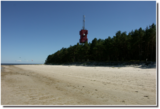 |
Cape Ragaciems – a promontory from
the western shore of the Bay of Rīga which
ends with a shallow and rocky submarine
shallows reaching several hundred metres
into the sea. The Ragaciems Lighthouse is
at the tip of the cape
|
|
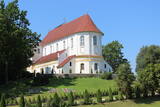 |
The Skaistkalne Roman Catholic Church is in the southern part of Skaistkalne and on the right bank of the Mēmele River valley. The Baroque church is known as the most beautiful Catholic church in Zemgale. The ornate interior and the graves of clergymen and noblemen can be toured. |
|
|
|
A diverse stand of forest that is bisected by the Vidzeme highway and the Rīga-Lugaži railroad line. This is a place where the largest endangered bird in the world – the European roller – can be found. Between one-quarter and one-fifth of the Latvian population of the crow is found here. This, too, is one of the last nesting places for the green woodpecker.
|
|
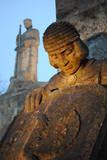 |
Brāļu kapos apbedīti aptuveni 2000 karavīru. Pirmos kritušos strēlniekus — Andreju Stūri, Jēkabu Voldemāru Timmu un Jāni Gavenasu — apbedīja 1915. gada 15. oktobrī. Sākot ar 1915. gadu, kapos sāka apbedīt Pirmā pasaules kara kaujās kritušos strēlniekus, vēlāk Februāra revolūcijas laikā nošautos kareivjus. Stučkas valdības laikā 1919. gada pavasarī šeit apbedīja Brīvības cīņās pret vācu vienībām un Dienvidlatvijas brigādi kritušos latviešu strēlniekus. Pirmās Latvijas brīvvalsts laikā Brāļu kapos apbedīja ap 800 Latvijas armijas kareivjus un virsniekus. 1941.—1942. gadā Brāļu kapos apbedīja 15 nacionālos partizānus, kā arī pārapbedīja komunistiskā režīma terora upurus. Līdz 1944. rudenim šeit apbedīja arī vairākus desmitus bijušās Latvijas armijas virsnieku un karavīru, kuri bija dienējuši Latviešu policijas bataljonos un Latviešu leģionā. Abās pusēs ieejas vārtiem (augstums 10 metri, platums 32 metri) divas jātnieku skulptūru grupas (augstums 3,3 metri). Liepu gatve (205 metri) savieno vārtus ar galveno terasi, kuras centrā novietots 1 metru augsts mūžīgās uguns altāris, bet abās pusēs ozolu birzis. No terases abpusējas kāpnes ved uz regulāri veidotu kapulauku. Tā malās atrodas divas "Mirstošo jātnieku" skulpturālās grupas (augstums 3,6 metri), vidus daļā atrodas augstcilnis "Kritušie brāļi". Pret katru kapa vietu novietota smilšakmens vai plienakmens plāksnīte ar kritušā uzvārdu un vārdu vai uzrakstu "Nezināms". Ansambli noslēdz 6 metrus augsta siena ar Latvijas apriņķu un pilsētu vēsturiskajiem ģerboņiem. Pie sienas atrodas četri senlatviešu karavīru tēli, kas simbolizē Latvijas novadus - Kurzemi, Zemgali, Vidzemi un Latgali, bet tās centrā uz 9 metrus augsta sienas masīva paceļas monumentāla figūra "Māte Latvija", kas noliekusi vainagu pār kritušajiem dēliem. Brāļu kapu memoriālais ansamblis ir izcirsts no Allažu šūnakmens, izmantots arī Itālijas travertīns un smilšakmens. Pirmmetu izstrādāja tēlnieks Kārlis Zāle, arhitekts Aleksandrs Birzenieks, Pēteris Feders un Andrejs Zeidaks. |
|
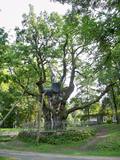 |
This park dates back to the mid-18th century and is to the south of Lake Stelmuže. There are winding trails on all sides of the hillock that lead to the Christ the King Church, with linden, maple, oak, birch, fir, elm and pine trees. At the foot of the hillock is the Laime stream, and visitors are welcome to stroll along the alley of oak trees. The oldest and fattest oak tree in Lithuania is one of the oldest ones in Europe. It is though that it is 1,500 to 2,000 ears old, and its record-setting diameter is 3.5 metres (eight or nine people linking hands are needed to encircle it). The tree is 23 m high. |
|


