
| No | Name | Description |
|---|---|---|
 |
Restaurant Ankur is a cosy place where home-made dishes are served, mostly from local products. Peipus Lake fish are of special value. There is also a hotel in the same building. |
|
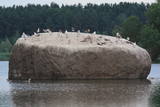 |
The Radžu stone is located to the South of Jēkabpils and at the north-eastern part of the Radžu sand and gravel quarry (the Radžu reservoir). The stone is the second largest rock in Latvia with a size of nearly 100 m3. At one edge of the quarry is the Jēkabpils Forest Park, which is popular among residents and their guests for leisure, hiking and sports. The beach of the reservoir was granted the Blue Flag in 2012. |
|
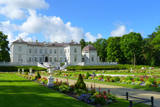 |
The Palanga Botanical Garden surrounds the Palanga Amber Museum and is one of Lithuania's most beautiful and well-kept parks. It is in the area of the St Birute Forest, and it is familiarly known as the Birute Park. The park covers 101.3 ha of land, and offers a wide variety of landscapes, carefully organised trails, flowerbeds, two ponds and small architectural elements. |
|
 |
Tavern Vedu is located 10 minutes’ drive from Tartu, going in the direction of Narva. In the historic tavern you can taste delicious dishes from local ingredients. |
|
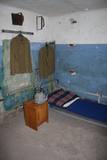 |
Viens no parka neparastākajiem vēstures objektiem, kas apvīts ar daudzām leģendām un noslēpumiem, par kuriem vēl joprojām nelabprāt izsakās ar to saistītie cilvēki. Zināms, ka bāzi laikā no 1960. – 1962. g. ļoti stingrā slepenībā cēla ~ 10 000 kareivji no citām padomju republikām. Pazemes ejas bija būvētas tā, lai pa tām varētu pārvietoties tikai maza auguma cilvēki. Zem zemes atradās 4 šahtas, no kurām varēja palaist vidējā rādiusa ballistiskās raķetes R – 12 U ar kodolgalviņām. Blakus atradās apkalpojošā personāla telpas, elektrības ģenerators, sakaru centrs u.c. Līdz 2010. g. bāzi varēja apskatīt vietējā gida pavadībā. Tagad to rekonstruē un 2012. g. plāno atklāt Aukstā kara muzeju. Bāze atrodas austrumos no Plateļu ezera, liela meža masīva vidū. |
|
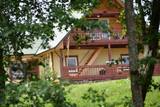 |
Tūristu nometne, smailīšu noma laivošanai pa Šventosios (Svēto) upi un tās pietekām Vyžuonos, Jaros upēm. Piedāvājumā 4 atsevišķas atpūtas vietas ar teltīm, kurās pieejamas dārza mēbeles, vieta grillēšanai, iesmi, pirts upes krastā, āra tualete, mazgāšanās telpa, bērnu rotaļu, volejbola un futbola laukumi. Lielajā dārzā iespējams uzņemt līdz 50 cilvēkiem. Vieta svinībām, festivālu rīkošanai, sanāksmēm un semināriem. Vienā no mājām ir pirts, kā arī divas Krievu prirtis un kubls upes krastā. Piedāvājumā ēdienu pēc iepriekšēja pieprasījuma. |
|
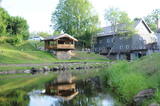 |
An old farm near the river, where water mills have been operating since 1851. |
|
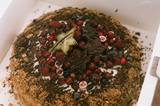 |
Contact her in advance, and the landlady here will bake various cakes, pastries, carrot buns and pierogi with various fillings. You can also order smoked fish. |
|
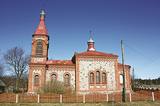 |
Was mentioned in 1387, where it was called Domesnes. That was the name until the early 20th century. A ledger at the Irbe-Ģipka church states that there were four farms in Kolka in 1770 -- Krogi, Ūši, Vecvagari and Kabriki. In 1844, a school for vergers was established, and Nika Polmanis worked there as a teacher. Kolka's first school was built in 1881, and Livonian Kārlis Bernšteins (1881-1951) worked there for nearly half a century as a teacher. The Dundaga riots that began in 1859 were led by Livonian Nika Šūbergs (1833-1884), the son of the owner of the Sārnasti farm. At the end of the 19th century, there were 392 residents in Kolka, and in 1935, 145 of the 343 residents were Livonians. During the mid-1980s, 13 Livonians spoke their language freely. Kolka is the only coastal Livonian village that continued to develop during the frontier regime of the Soviet Union, because it was the centre of a fishing kolkhoz. The number of residents increased rapidly in the 1950s and 1960s because new homes, a school, a people's centre, a kindergarten and several fish processing factories were built there. Today Kolka has 700 residents and is the largest village along the Livonian coastline. The "Līcis-93" fish processing factory is there, and local fishermen and smokers of fish work in the village. The Kūolka Livonian Centre and the Livonian ensemble Laula operate there, as well. The Ūši farm offers tastings of Livonian foods. |
|
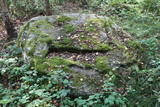 |
Near Mākoņkalns hill there is a trail that is mowed in the summer and leads to several historical rocks – Plakanais (Flat) rock, Āža muguras (Ram's Back) rock (on which you can clamber), and the Jaunstašuļi Velna pēdas (Devil's Footprint) rock, on the surface of which is a shape similar to a human footprint. There are signs along the side of the road leading to the trail. |
|
 |
Located in the Mežotne Castle, the saloon offers fine and tasty dishes and beverages. Tours of the ornate castle are available, and the location has one of the loveliest English-style landscape parks in Latvia. Latvian cuisine: Potato pancakes, rolled marinated herring, trout with potatoes in their jackets, blood sausage with lingonberry sauce, grey peas with bacon, stacked rye bread with cranberry jam and whipped cream. Special foods: “Bauska Thaler” – pork in the form of a thaler with a sauce made with Bauska beer. |
|
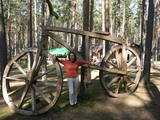 |
This park was established to protect Lithuania’s longest lake, Lake Asveja (> 20 km). The lake is in a sub-glacial valley carved out by ice during the Ice Age, and it actually resembles a wide and curvy river.
|
|
|
|
Organic farm "Mežvijas" is engaged in vegetable growing, fruit growing and beekeeping and their processing - dried vegetables, berries, fruits, spice mixtures, candies, juices, syrups. |
|
 7 days
|
Professional agricultural tour with visits to local farms typical of the region. We will meet and greet you in Vilnius and have a city sightseeing tour. Next day we go to Kaunas, for professional meetings and sightseeing of the city. On the way to Riga, we visit picturesque Trakai Castle situated on a lake. At Panevezys we have a visit to a professional apple grower. In Riga we have an Old Town sightseeing tour as well as a visit to the impressive Central Market. In Bauska we have a professional visit to a farm specilaizing in implementing innovative farming (grains, vegetables, potatoes). From Riga on the way to Tallinn, we visit Sigulda town and medieval Turaida Castle with great panoramic views to the ancient Gauja Valley. In Tallinn we have an Old Town tour through narrow cobbled streets followed by a professional visit to a dairy farm in Saku, meeting with the Estonian Farm Union and visiting another cattle and crop farm near Tallinn. |
|
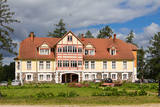 |
Close to Otepää, in a very beautiful place, surrounded by woods and hills, Canterville loss is waiting for you. A great place to relax with your family. Large playground for children. The restaurant serves both romantic meals and lunch during workshops. |
|
|
|
Atrodas Raganas centrā pie degvielas uzpildes stacijas, viesnīcā „Raganu ligzda”. Piedāvā mūsdienīgu Latvijas virtuves ēdienkarti. Kompleksās pusdienas. Sadarbojas ar vietējām zemnieku saimniecībām. |
|
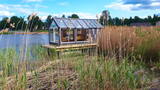 |
Million star hotel ir videi draudzīgi namiņi, kas atrodas uz pontoniem Viļakas ezera krastā un aprīkoti ar visu nepieciešamo patīkamai atpūtai. Iespējams izvēlēties klasiskā jumta bungalo ar vinila plašu atskaņotāju vai stikla jumta bungalo, kas piedāvā zvaigžņu vērošanu caur teleskopu. Pieejama e-velosipēdu, SUP dēļu, laivu un velosipēdu noma, iespējams izbaudīt arī pirti. |
|
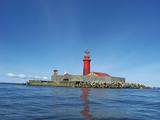 |
The Kolka lighthouse is on an artificial island which was created
between 1872 and 1875. The original lighthouse was made of wood, and
its light was first lit in June 1875. As the island settled into the sea, the
current tower was built. It began operations on July 1, 1884. Today the
lighthouse is six kilometres from Kolkasrags at the end of its sandy
shallows (back when it was built, it was just five kilometres away). The
island still has the building for the lighthouse supervisor, as well as
several outhouses. The metal lighthouse which is there now was built in
St Petersburg. It has been an automated lighthouse since 1979.
|
|
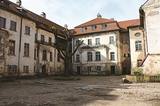 |
Dundaga baron once was one of the largest landowners of Courland, therefore during the second half of 19th century around the estate formed centre of economic and social life. Dundaga Central Square is dominated by its water tower, behind which starts Dakterleja, where from 1844 to 1854 worked one of the first ethnic Latvian doctors and linguist, J. Bars. Until the sixties of the 20th century from the Dundaga through Mazirbe and fishermen villages to Ventspils ran a Narrow gauge train. Today Dundaga attracts tourists with its spectacular castle, the Lutheran church, crocodile sculpture, Eizenberga pottery workshops and other objects. |
|
 |
The restaurant, located on the bank of the River Lielupe in Jūrmala, offers modern Latvian cuisine and local produce. The special offer of the restaurant is smoked meats that are made based on traditions and years of experience. The restaurant is included in the prestigious Nordic White Guide, as well as in the Top 30 of Latvian Restaurants in 2019. |
|


