
| No | Name | Description |
|---|---|---|
 |
The biography of Krišjānis Valdemārs tells us that during the summer of 1839, teachers and students from the Lubezere school spent a few days on the coastline in Roja, where Valdemārs would later help to build a maritime school. The area was breath-taking and unforgettable for the little boy. “The noble appearance of the sea grabbed the spirit of the young man so powerfully that during those three days, I thought about nothing other than the noble sea, with childish courage that allowed me to prepare a plan for a deeper port in the Roja River so that larger boats and small ships could enter it,” Valdemārs wrote. (Source: Roja TIC) |
|
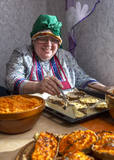 |
A true Latvian landlady, Skaidrīte Nagliņa, will welcome you to this farm and show you how to bake traditional bread. Old recipes and a bread oven heated by firewood will lead to beloved and tasty carrot buns, fresh sourdough bread and “pizza” ὰ la the Suiti. For groups up to 10 people. Please contact the farm in advance of your visit. |
|
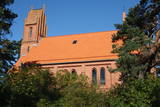 |
Ein im gotischen Stil gebautes Gotteshaus wurde 1888 eingeweiht. Daneben befindet sich ein etnografischer Friedhoff aus dem 19 – 20 Jh. mit ungewöhnlichen Grabkreuzen aus Holz. In den Formen der Kreuze sind die Motiven von Pflanzen, Vögeln, Tieren zu sehen. |
|
 |
This farm is in a lovely location that offers a view of Lake Sauka. He breeds cattle which spend all year long on the sides of nearby hillocks. The owner will offer you a tour, show you the animals, and offer sweet cherries and apples from his garden. |
|
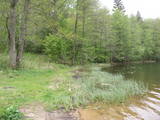 |
The most important aspect of the Sasaļi forest is the eutrophic Lake Sasalis, as well as the unusual Lake Melnezers. Also of importance are various types of forestland in the area. Lake Sasalis is a popular place for leisure and swimming.
|
|
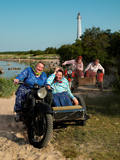 |
Cultural space of Kihnu (www.kultuuriruum.ee) is incorporated in the UNESCO list of Masterpieces of Oral and Intangible Heritage of Humanity, and is a quaint mix of old and modern. The local history museum displays tools, clothes, handicraft and furniture. |
|
 |
Traditional Estonian food from products of organic farms Saare Ubin and Vatsliku. |
|
 |
The open-air pizzeria not far from Valmiera in Beverina district. It is an opportunity to spend time in the countryside, relax and take part in making real Italian pizza, where everyone has a chance to make a pizza according to one’s taste, baking it on open fire in a wooden stove. Available clear water and Italian wine, coffee and tea. Apart from pizzas, it is possible to buy tiramisu, having ordered it beforehand. |
|
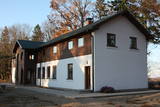 |
Хозяин создал специальный комплекс курсов и процедур, которые посвящены здоровому образу жизни. Обучение для групп, массажи, лекции, практические занятия и т.п. |
|
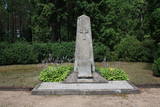 |
This is the largest cemetery of the brethren from the World War I period, and it is the final resting place for some 1,800 Latvian Riflemen, as well as some 2,000 soldiers who served in various Russian army units and were reinterred during the 1930s. There is a monument at the centre of the graveyard. |
|
 |
Liepene, in the Ventspils District, was once home to a coast guard division. The facilities are now privately owned and offer accommodations to tourists.
|
|
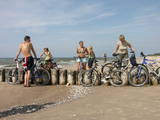 |
The most important aspects of this park are a shallow lagoon-type lake – Lake Pape, with its flood land meadows, the shore of the Baltic Sea, the Nida swamp, and the more than 270 different types of birds that have been spotted here. The oldest bird ringing station in Latvia (est. 1966) is found between Lake Pape and the Baltic Sea. Birds and bats are caught and ringed there. Lake Pape is the first place in Latvia where so-called “wild” horses (the “Konik” breed) were released with the aim of managing the flood land meadows.
|
|
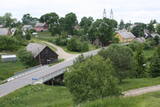 |
Pirmo reizi vēstures avotos 1253. g. šī vieta ir minēta kā kuršu apdzīvota apmetne. Laikā no 1637. – 1639. g. te uzcēla pirmās 19 kapelas – t.s. „Krusta ceļa stacijas", kas atgādināja Jeruzalemes Krusta ceļu. Kopš tā laika Žemaišu Kalvarija ir pazīstama kā nozīmīgs svētceļnieku galamērķis. Dažas no Krusta ceļa kapelām ir veidotas 17. – 18 gs., bet citas – 19. gs. Jāatceras, ka vēl pavisam nesen – Padomju laikos svētceļniekus nežēlīgi vajāja un represēja. Mūsdienās pilsētā ir izveidots 21 svētceļnieku „pieturas punkts". Te ik gadu (parasti no 2. – 12. jūlijam) notiek Žemaišu Kalvarijas katoļu draudzes svētki, kas pulcina daudz ļaužu no dažādām Eiropas valstīm. Iespaidīgā katoļu bazilika ir slavena ar Vissvētākās Jaunavas Marijas Katoļu Ģimeņu Karalienes gleznu, kas 17. gs. atvesta no Romas. Tai piedēvē brīnumdarītājas spējas. Interesants ir pilsētas ielu tīklojums, kas atgādina 9. – 13. gs. apdzīvotas vietas ielu plānojumu. Noteikti apskatāms iespaidīgais Žemaišu Kalvarijas pilskalns, kas slejas mazās Varduvas (Varduva) upītes krastā. |
|
 10 days
|
From Riga the tour goes to Sigulda where you can see the Olympic Bobsled truck, visit Sigulda medieval castle and take a cable car across to Turaida medieval Castle with beautiful views across the Gaujas Valley. Kids would love activities at the adventure centre Tarzans. At Ligatne walk Nature trails to see the local wild animals at their enclosed territories and wonder around the historic village originally formed around the Paper Mill. Further on visit impressive medieval castle ruins at Cesis town and the picturesque Devonian Zvarte outcrop at Karli. Then the route goes along the coast with sandy beaches great for walking, playing and swimming. There visit museum of the biggest liar in the world - Munhauzen and listen to his fantastic adventure stories. Then the route goes to the Western part of Latvia and focuses on the sea and coastal life. From Riga visit the sea resort Jurmala, stop at Pure Chocolate Museum and then continues to Cape Kolka where open sea meets Riga Bay. There explore trails at Sliteres National Park, visit villages of Livs which is one of the smallest ethnic nations in the world, enjoy freshly smoked fish. At Ventspils enjoy endless facilities for children - kids town, narrow gauge train, aqua parks, well equipped beach and adventure park. On the way to Riga visit charming Kuldiga with well preserved wooden architecture and stop at the farm where kids could enjoy different farm animals |
|
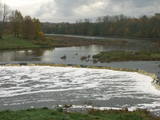 |
The recently renovated old brick bridge and the viewing area that is on the left bank of the Venta beyond the castle guard’s hut offers a lovely view of the widest and most impressive waterfall in Latvia – the Venta falls. It is worth visiting during the spring floods, when fish are migrating.
|
|
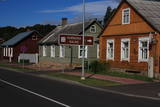 |
The central part of the town of Krāslava is an historical monument because its low-story and beautiful wooden buildings. The best views of the historical centre relate to the carp park near the Adamova trail, the Karņicskis hill, the bridge across the Daugava (Prospekta Street), and the Priedaine viewing tower on the left bank of the Daugava River. |
|
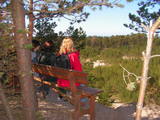 |
One of the highest dunes in Latvia, located between Bernāti and Jūrmalciems villages. It is 37m high and offers a magnificent view of the sea and natural pine forests. The highest dunes in Latvia stand to the South of Jūrmalciems village: the Pūsēnu hill, the Ķupu hill, the Mietragkalns or Tiesas hill, the Pāļu hill, the Garais hill, the Ātrais hill, the Lāvas hill. The Pūsēnu dune is the highest of these dunes which are all called hills by the local people. The Pūsēnu hill developed between 1785 to 1835 when shifting sand became extremely dangerous. Several homesteads were buried in sand, among them „Pūsēni”, where a forester’s family lived. The family is said to have moved to Bārta. The dune was named after the buried homestead. Jēkabs Janševskis, a Latvian writer, wrote in his book „Nīca”: “In olden times, large pine trees were growing in the dunes on the coast of Nīca and they stood steady and firm. But i Swedish times (around 1650), the Swedes built a large kiln for charcoal and tar. Pine wood and stumps provided an excellent material for this. Once a big fire rose, and the charcoal kiln burned down as well as the whole pine forest. The remaining stumps and bare trunks in the vast burnout could not hold the storm-driven sand; it flew further and further burying not only the burned-out forest, but also the nearest fields. In wintertime, when the vast, low marshy grasslands were covered with ice, jets of sand drifted further over its surface, and soon most of the grasslands and large meadows turned into sandy heath-land and dunes.” To reconstruct Liepāja, severely damaged during WWII, a silicate brick factory was built in the town. The main raw material was white sand and it was taken from the Bernātu forest. In the 1960-ies they started to dig off the Green Dune and the White Dune, later also the Pūsēnu hill. The excavators used to work day and night, in three shifts. The work stopped at around 1980, as there was no more sand suitable for production of brick. A trail is set up to facilitate walking in the Pūsēnu Dune in the Bernātu Nature Park. |
|
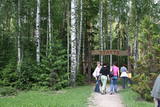 |
Dabas parkā izveidota Baltijā vienīgā Bišu taka, kurā apmeklētājs var iejusties bites ‘’lomā’’. Zinātkārie var ieģērbties bitenieka tērpā un novērot bišu dzīvi stropā vai kāpt kokā ar seno dravnieka ierīci – dzeini. Ekskursija, Bišu, Putnu, Meža, Sporta un Augu takas. |
|
 |
“GREEN HIVE” ir pārtikas ražotāju uzņēmums, kas nodarbojas ar medus un ogu pārstrādi. Uzņēmums atpazīstams ar saukli “Medus citās garšās!”. “GREEN HIVE” piedāvā vairāk nekā 60 produktus – medu daudzās un dažādās garšās, kā arī sīrupus, sulas un nektārus. “GREEN HIVE” atbalsta zaļas Latvijas ideju, un ievēro šo pārliecību uzņēmuma ražošanas procesā, dzīvojot saskaņā ar dabu un lietojot dabas dotus produktus. Ražotnē uzņem tūristu grupas, produkciju iespējams degustēt un iegādāties. |
|
 2 days
|
Маршрут подходит для водных туристов, которым не нравится однообразие. Латгальские озера до сих пор остаются территорией, мало освоенной водными туристами, но очень привлекательной с точки зрения как ландшафтов, так и культурной среды. Информация о маршруте от Latvijas Lauku forums |
|


