
| No | Name | Description |
|---|---|---|
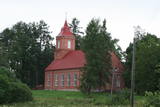 |
Līdz 18. gs. šajā vietā bija koka baznīca, kamēr 1798. g. uzcēla mūra baznīcu, kas cieta 1. pasaules karā, bet 2. pasaules kara laikā to uzspridzināja. Tikai pusgadsimtu vēlāk - 1991. gadā tika uzsākti atjaunošanas darbi, kas joprojām turpinās. Tagad redzamais dievnams ir iepriekšējā līdzinieks. |
|
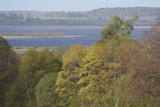 |
Nature restricted area includes eastern side of the lake with Lanupe River and North-east and South-east coastal areas. Restricted area has been established for protection of birds and floodplain meadows of the lake. To see the nature restricted area visitors do not have to enter it. There are great view points with wind generators of Grobina on the background from the road Vecpils – Rava – Aistere. Coastal areas which are not included in the restricted area are perfectly suitable for bird watching. There is located the smallest city by its population in Latvia to the South from the lake.
|
|
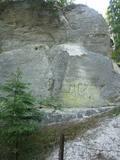 |
The Sietiņiezis cliff is on the right bank of the Gauja River between Valmiera and Jāņmuiža (follow signs along the road). There is a circular nature trail here. Sietiņiezis is one of the largest white sandstone cliffs in Latvia, up to 15 m high and around 500 metres long. There is an interesting diversity in form here, with small caves and niches, erosion-based ravines, as well as sandstone formations which are reminiscent of poles. The word "sietiņš" refers to "sieve," and the cliff is so called because bees have drilled holes into it for time eternal. From the southern part of Sietiņiezis, you can get a good look at the ancient Gauja River valley, and all around it are lovely pine forests. There is a place on the banks of the Gauja which is meant for campfires and meals. |
|
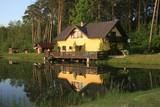 |
Recreation place "Kaupēna mill" is located near Tērvete, Zemgale region. In the pension there is hall for celebrations, there is a garden with grill. Free private parking is available for guests. The kitchenette is fully equipped with crockery and cutlery, and there is a microwave. Turkish bath and terrace. The guest house has 15 beds for overnight stays. Guests are also offered a holiday house "Paradise House". It is a fully equipped family house with kitchenette and 4 beds, pond view, barbecue and gazebo. Quality well / spring drinking water. "Egļu namiņš" - the house has 5 beds, anteroom, terrace. Barbecue with terrace, next to the pond, WC, showers. We also offer 3 camping houses. 4 beds in each cottage. Toilets and showers are shared. |
|
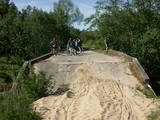 |
The Kauguri canal dug in 19321933
to divert the waters of the Džukste and
Slampe rivers to the Lielupe River to avoid
broader emergence of swamps.
|
|
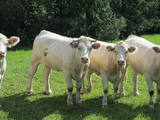 |
The farm produces vegetables, medicinal plants and honey. You can look at Charolais cattle and buy products. The lady of the house will talk about her experience in relation to her farm and biological farms that are in the neighbourhood. |
|
 |
Saimniecība piedāvā zirgu izjādes (ratos un mugurā), iespēja apskatīt dzīvniekus lauku sētā (zosis, vistas, truši, teliņi, kazas, aitas, suņi un kaķi). Pļavas ar ārstniecības augiem, mežs, dīķis, stārķu koks. Sarunas par dzīvi ar saimniekiem. Rīta rasas skaistuma procedūras, "varžu koris", tējas baudīšana seno ābeļu paēnā, ārstniecības augu vākšana kopā ar saimnieci. Telšu un piknika vietas (līdz 20 cilvēkiem). |
|
 |
The restaurant is alongside the Villa Elizabete guesthouse with a summer terrace and a fireplace room and library where diners can enjoy their meals when it is cold outside. Latvian cuisine: Marinated Baltic herring with cottage cheese, cream of mushroom soup, grilled pork chop, veal steak, grilled tench. Special foods: Captain Grant’s cheesecake. |
|
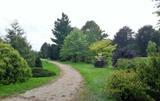 |
Work on this arboretum began in 1958 at a local forest research station that is near the village of Vaišvidava. The arboretum collects and exhibits various local and imported plants for scholarly, educational and decorative purposes. The arboretum covers some 50 ha of land, with more than 800 types of plants. Some parts of the arboretum have rare and protected trees and bushes, and these can only be visited if you contact the arboretum in advance. |
|
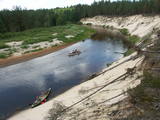 |
This comparatively large territory is found to the South of the Irbe River and Stende River, and it is unique with more or less virginal forests and dunes. The Irbe River has a system of ancient tributaries, and the Dižpurvs swamp is parallel to the shoreline. The Irbe has become a popular river for water tourism in recent years, but the tourist infrastructure on its banks remains insufficient. Territory has good road connections and has potential for nature education activities. |
|
 |
Eine der malerischischen Burgberge am Fluss Nemunas mit schöner Sicht aufs Flusstal. In 13 – 14 Jh. befand sich hier eine militäre Festung, die nicht erhalten ist. |
|
 |
Saimniecības pamatnodarbošanās ir diļļu audzēšana un to pārstrāde. Siltumnīcā audzē arī Itālijas dienvidos zināmu melones un gurķa krustojumu "Carosello", kas latviski nodēvēts par "pūkaino gurķi". Iespējamas degustācijas, kā arī saimniecības produkcijas iegāde. |
|
 |
Built in the 18th century and rebuilt in the mid-19th
century, the parsonage was the place where the Liv flag was first consecrated. Renovations
of the parsonage are underway at this time. Since September 2009, it has been used
by the Latvian Evangelical Lutheran Church as a rest home for its Recollection Centre.
|
|
 |
The restaurant is in Bocmaņa Square in the centre of Salacgrīva and on the banks of the Salaca River. The well-known “Pie Bocmaņa” saloon has been redesigned and features the topic of Baron Munchhausen. Latvian cuisine: Herring salad, herring with cottage cheese, fish soup, breast of pork with onions, grey peas with bacon, fried livers, baked plaice, baked filet of pike-perch, stacked rye bread. |
|
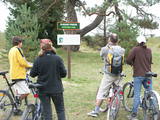 |
This is a route for hikers and bicyclists, starting at the village of Vaidava and then moving along the eastern shore of the narrow Lake Vaidava, which has steep cliffs around it. The trip covers the Veļķi baronial estate, the “Swedish pine”, the famous Vaidava (Metimne) hillfort, a series of streams, the great Rubene rock, the Vaidava baronial estate on the western shore of the lake. After that, the trail leads the visitor back to the starting point.
|
|
 |
The spacious cafe in Gulbene with comfortable chairs and a tasty meal of the day menu. It is also possible to taste various types of pizza and dishes typical for the Gulbene district. Working hours: Monday-Thursday: 10:00 - 22:00, Friday-Saturday10:00 - 03:00, Sunday 11:00 - 22:00 |
|
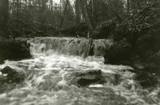 |
Here we find a set of canyon-type gullies among layers of dolomite. There are impressive outcrops and small waterfalls in the little river’s bed.
|
|
|
|
Ļoļi Devil’s Footprint is situated in Mākoņkalns rural territory in a small forest lawn several meters from the
ditch, which is a borderline of the Rēzekne and Krāslava districts. It is about 1,9 m high truncated cone, the base
perimeter 1,8 m. According to the legend, the boulder had a curvy of the horseshoe prints. Now it’s shapeless. For the
first time the stone as a geological monument was established in the 1930s. It was in Andrupene rural territory.
|
|
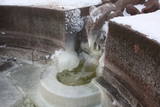 |
Built in the turn of the19th to 20th century. Next to it-on the right bank of the river Vēršupīte, there is located one of the most popular Latvian sulphur water springs, called "Small lizard". The spring runs out from a stone-designed lizard sculptured in 1949 (Sculptor J. Bajārs). Its water is healthy for using both internally and externally. Not far from the pavilion there can be found Jānis Lībietis alley sign. J. Lībietis worked in the position of a director for the sulphur water spring authority of Kemeri from 1928 to 1944. |
|
 8 days
|
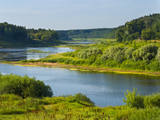
The Daugava River is known as our river of destiny, the Daugava of our hearts, or our beloved mommy. It is a large and full-blooded artery of water that has flowed through our land and our history. The Vikings were aware of the river during the 5th century AD. Krāslava is the site of an ancient castle hill, and the fearless sailors were well aware of it in that downriver from it, the ships could sail with raised sails. It is known in Viking sagas as Dynasaiforgarðr. Goods from the East sail down the river to Rīga, where it is reloaded into seafaring ships for delivery to Europe. That has been the case for many centuries. Many powers wanted to control and govern the process, as is seen in the large number of castle hills, castles and populated areas around the river’s banks. The majestic ruins of the Koknese Castle, Krustpils, the grassy and mighty castle hill at Aizkraukle, another one at Daugmale. The unique fortresses at Daugavgrīva and Daugavpils are like large keys that lock or unlock this mighty and ancient trade route. Under the water in the Daugava are the ruins of the ancient Ikšķile Castle that was built by St Maynard himself. It is seen as the first brick building in the Baltic States. Nearby is Death Island, where Latvian riflemen fought for the future of their country and their land, defending each square metre of land. The Daugava proved insurmountable for Bermont’s troops, and the riflemen defended Rīga successfully. The curves of Daugava are unique. The village of Slutišķi is particularly known because the Daugava there is just like it has been in the past. The high dolomite shorelines and canyons that once made the Daugava unique in all of Northern Europe have now been lost in the reservoirs of hydroelectric power plants, as has the eternally weeping cliff of Staburags, the Liepavotu stream and the Pērse waterfall. The age of national renaissance in Latvia importantly began with a battle against the construction of another power plant on the Daugava, which would have fully destroyed the beauty of the noble river. We managed to protect it, if only a small part of it, but we succeeded. We must not stop! |
|


