
| No | Name | Description |
|---|---|---|
 |
The bar is in Tirgus Square in the historical centre of Dobele, offering Latvian cuisine and Tērvete beer, which is brewed from Latvian ingredients. A summer terrace is open during the season. Latvian cuisine: Cold soup, grey peas with bacon, Tērvete steak haché, Tērvete leg of pork. Special foods: Tērvete cheesecake. |
|
 |
For more than 60 years, ice-cream is made in the historic Rūjiena dairy house, built in 1912. Everyone is kindly invited to take a tour and learn about the ice-cream of Rūjiena, watch the video about the manufacturing process, and, of course, enjoy Rūjiena ice-creams. |
|
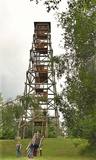 |
Lielais Liepu kalns ir Latgales augstienes Rāznavas pauguraines augstākā un Latvijā trešā augstākā virsotne (289,3 m v.j.l.). Lielpaugura relatīvais augstums ir 86 m! Skatu torņa platforma ir šobrīd augstākais Latvijas punkts (323 m.v.j.l.), kas sasniedzams ar paša kājām! Liepu kalna apkārtne ir labiekārtota. |
|
 |
Iespēja iepazīties ar savvaļā augošiem un kultivētiem ārstniecības augiem, pašiem tos ievākt, izbaudot Latgales neskarto dabu, sasiet ārstniecības augu slotiņu veselībai un pirtij. Nodegustēt augu tējas lauku klusumā vai tieši otrādi - kopā ar „Muzikantu ciema” muzikantiem, piedaloties jautrās aktivitātēs, iepazīties ar bagāto latgaliešu tautas dziesmu un polku pūru. |
|
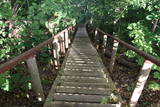 |
Because this circular trail is in a nature zone, it may only be traversed in the company of a guide from the Slītere Nature Park. A steep stairway that has been installed along the ancient shores of what was once a Baltic lake of ice will lead the visitor to a completely different world, one with fallen trees, broadleaf forests, an area in which underground streams create aboveground wetlands, a limy and grassy swamp (all of these are protected areas), remains of old-time reclamation ditches, and rotting fir stumps which are important in terms of the diversity of species and which have been in the region since a major windstorm in 1969. The trail is 1.2 km long and will take an hour to an hour-and-a-half to traverse. The trail begins at the Slītere lighthouse, where the SNP visitors’ centre is located (in tourist season).
|
|
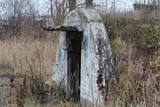 |
In the South-western parts of the former Spilve airfield, you can still see concrete areas on which Soviet-era military helicopters once landed.
|
|
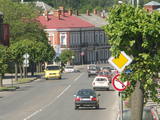 |
"The heart of Latgale", where during the 9th – 12th century stood a fortified Latgalian castle. In 1285 Livonian Order began the construction of stone castle instead of Latgalian castle. After the collapse of Livonia (Rezekne in the composition of Poland) the city languished. Economic life in Rezekne restored in the second half of the 18th century. After the construction of St. Petersburg – Warsaw highway (1836) and railway (1861), Rezekne became a holiday destination for holidaymakers from St. Petersburg. During the World War II, buildings of the city significantly suffered. Today the town is an important economic and cultural centre of Latgale region. |
|
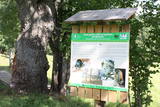 |
Interesanta dabas izziņas taka, kurā izvietoti informatīvie stendi, kas stāsta par dažādiem pļavu biotopiem – sausām, palieņu un parkveida ozolu pļavām un tās iemītniekiem. Pļavas nogana dzīvei savvaļā pielāgotie mājlopi. |
|
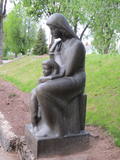 |
Located at the Rūjiena High School, this Kārlis Zemdega sculpture was installed in 1936 in honour of a local teacher, Jūlija Skuiņa, who drowned in 1936 at the age of 24. There are various legends about her death, one of which talks about a tragic love story involving the Rev Roberts Slokenbergs. |
|
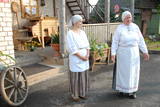 |
At this museum, you will learn all about the baking of bread from grain to loaf, and you can make your own loaves, too. You can taste bread and herbal teas. There are theatrical performances related to christenings, weddings, birthdays, etc. Local foods such as dumplings and soups made of dried mushrooms or lake fish are served. The museum sells freshly baked bread, as well as the work of local craftspeople. The hostess is a master baker and a member of the Chamber of Crafts. Latvian cuisine: Lake fish soup, cottage cheese dumplings and other traditional Lettigalian dishes. Special food: Soup of dried mushrooms. |
|
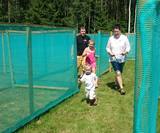 |
This labyrinth covers 3,300 m2. Visitors can make their way through the maze, trying to find the exit and handling clever tasks at some of the special twists and turns in the labyrinth. There is a playground for children, along with a workshop, a mud café and the “fir tree village.” |
|
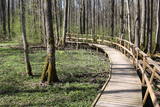 |
The excessively damp forests at this place include the Vēršupīte River bog, and this is one of the most diverse biotopes in Latvia in terms of the number of species that can be found here. The fact that the area is regularly flooded is shown by the fat roots of black alders – indeed, the place looks like a stand of mangroves. The wooden pathway that is the Dumbrāju trail starts at the Forest House for those who wish to examine the bog. The most impressive views are seen during spring floods or rainy seasons at other times of the year. The little river breaks out of its bed and floods a large territory. The Lake Sloka hiking trail is another place where you can study the Vēršupīte bog. The circular trail is 3 km long, and its beginning is at the Lake Sloka bird watching tower. |
|
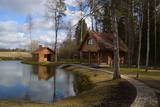 |
Bathhouse on the shore of Jugla river for families (not intended for noisy events). The maximum number of persons - 6 persons. Variety of activities available for parents (Russian bath, fishing in pond, the latest newspapers) and kids (games, trampoline, novus, bicycles, feeding rabbits). Bathhouse is freshly renovated and well-maintained, it is possible to order dinner, breakfast. Bathhouse is located 25 km from Riga, it is reachable by bus. The price depends on the service used and the number of persons. |
|
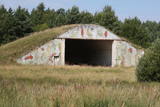 |
There are still some buildings, missile silos and an apartment building from the old No. 158 Zenith Missile Base at Ziemupe, but the territory has been abandoned and degraded.
|
|
 |
The organic farm Zemturi is a 30 min drive from Kuldiga. The farm is mainly engaged in breeding rabbits and is designed as a place for children to see, learn about rabbits, birds and other pets. The hosts have created two thematic trails, one for pets and poultry and the other for trees and flowers. Sauna lovers have access to the sauna, also fishing opportunities can be used. Overnight stays with family or a small group of friends are also offered. Excursions for big and small. |
|
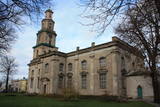 |
The church was built between 1742 and 1578 after a design by J.K. Dorn and for the needs of the local German congregation. The 55 metre steeple was completed only in 1866. The façade and interior of the church are in the style of late Baroque and Classicism (with elegant Rococo elements inside the church). The church is known for the organ that was built by H.A. Koncius between 1773 and 1780. Since a reconstruction in 1885, the instrument has more than 7,000 pipes, 131 registers and four manuals. It is suggested that it is the largest mechanical organ in the world, and its sound is just wonderful. Visitors can visit the church, examine the organ and climb the steeple. |
|
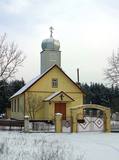 |
Malta (Borovaja, Borovska) Old-Believers Prayer House. The construction
of the church was started in 1931 by A. Gruncevičs. The Church is an architectural
monument of local importance.
|
|
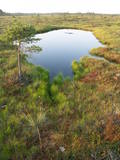 |
This territory was established to protect the rare tree specie in Latvia - common hornbeam, which covers approximately 4% of the territory, but the most visually interesting part of the area is the Tīrspurvs swamp, also known as the Dunika heath. This is where the visitor will find Latvia’s longest and most impressive swamp footpaths, which crosses the area from the North to the South. Visitors will be fascinated by the unique landscape of the central part of the swamp, where in some places there are not even small swamp pine trees. Various habitats will be found – small swamp lakes, mineral islands, marsh pools, etc., and that is to say nothing of all the birds in the area. |
|
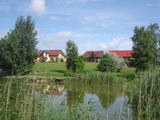 |
The farm breeds several species of chinchillas and offers a look at them. There are also decorative pheasants, peacocks, doves and different kinds of chickens, along with marmots, dwarf goats, chipmunks, rabbits, a pony, etc. You can purchase chinchillas, decorative birds and other animals, along with quail eggs, chinchilla pelts and souvenirs. There are also ponds for fishing. |
|
 |
This craftsman uses the black ceramics technique. You can watch him opening the kiln, take part in creative workshops, and commission or purchase ceramics products. |
|


