
| No | Name | Description |
|---|---|---|
 |
Alises Zariņas bioloģiskā saimniecība nodarbojas ar kazkopību. Pašlaik ir divdesmit slaucamas kazas un no to svaigi slauktā piena tiek gatavots siers. Saimniecība dibināta 2015. gadā. |
|
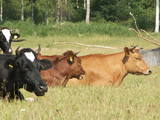 |
The farm grows peas, grits and beans, and it breeds cattle. Visitors can take a tour to learn about biodynamic agricultural techniques. |
|
 |
Ļoļi Devil’s Footprint is situated in Mākoņkalns rural territory in a small forest lawn several meters from the
ditch, which is a borderline of the Rēzekne and Krāslava districts. It is about 1,9 m high truncated cone, the base
perimeter 1,8 m. According to the legend, the boulder had a curvy of the horseshoe prints. Now it’s shapeless. For the
first time the stone as a geological monument was established in the 1930s. It was in Andrupene rural territory.
|
|
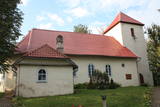 |
Celta ~ 1560. g. vietā, kur agrāk atradusies Sakas osta. Dievnamā apskatāms > 170 gadus vecs kuģa modelis. Vietējie ticēja, kas tas aizsargā jūrniekus un bojāejas. Šāda tradīcija Latvijā ir novērojama tikai dažās baznīcās. Baznīcu var apskatīt arī no iekšpuses. |
|
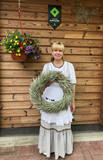 |
The Dzīļu bakery in Malnava is a symbol of Krāslava and it is located next to the Malnava manor park. The lady of the house prepare hearty Lettigalian dishes and other country goodies. In the bakery the owner bakes different types of bread, for example, rye-bread, sweet-and sour bread, as well as makes cakes on pre-order. She also offers to groups and families to bake bread, pies, cakes or pizzas together. The tasting and Latgalian dishes in nowadays’style. A walk around the park of Malnava manor and stories about the white gate. Local bread is famous in Kārsava. The bakery offers brunch on weekends, as well as markets of local crafts and other products. |
|
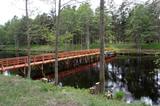 |
This is an artificial body of water that was dug in the 1960s to obtain ice for fish processing plants in Kolka. |
|
 6 days
|
The tour passes through national parks and protected nature territories of interntional importance, following the sea shore. It also stops at small charming towns, several historic sites and traditional villages. During the tour you learn not only about rare and protected plants and local traditions but also enjoy beautiful landscapes, wilderness and solitude. At the Ķemeri National Park you will follow a fenland trail, see wild meadows and stop at a bird-watching tower beside Lake Kaņieris. Then we explore the Engure Lake Nature Park where 22 types of orchids can be found. Next day thr route heads to Slitere National Park, the former territory of the Baltic Ice Lake and Litornic Sea. You will follow the Cape Kolka pine-tree trail and Peterezers Lake trail with ancient dunes and landscape. Then head to Stiklu Bog trail, in the largest bog territory in Latvia. At Užava you will discover the largest 'grey' dune in the Baltics before following the wild banks of the River Venta and visiting the charming town of Kuldiga, with its well-preserved wooden architecture and the widest waterfall in Europe. The route follows the Abava valley created by the melting of ancient ice. At Sabile you can stop at its famous Wine Hill - location of the most northerly grown grapes from which wine is produced - and follow a botanic trail with stops at the grandest oak tree in Europe. On the way to Riga, walk 5 km long Cena Heath trail which features low, high and transit bogs and related plants. |
|
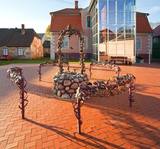 |
Befindet sich im alten Rathaus. Das größte Silberkunstwerk Baltikums (wiegt mehr als 30 kg) und andere dekorative Gegenstände sind zu sehen. Auf der Dachkammer ist die einmalige Malerei im Stil des Spätrokoko zu sehen. |
|
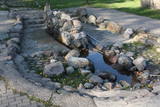 |
Atrodas 0,1 km austrumos no katoļu bazilikas. Jau no 1825. g. Svētavota ūdeni izmantoja dziednieciskiem mērķiem. Līdz 19. gs. 40. gadiem avota ūdens īpašības bija izslavētas tāpat kā Aglonas Dievmātes svētbildes brīnumdarītājas spējas. Tās savulaikapstiprinājusi Viļņas ārstu komisija un Pēterpils akadēmija, taču ap 1840. g. avots savas īpašības esot zaudējis. Tomēr arī mūsdienās svētceļnieki joprojām tic avota spēkam. |
|
 6 days
|
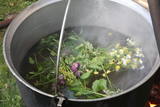
Latvians live in close connection with nature and annual circle of life. The ancient knowledge how to use the goodies of the nature is still very much alive. Wild mushroom and berry picking is very popular as well as collecting of herbs and flowers for teas and infusions. This tour is trying to give an insight of various angles how to use and enjoy nature's resources. The route goes to Kemeri National Park which is rich of flora and also interesting for its sulphur springs which water is used to improve several health related problems. Then you visit farm which specialises on herbs and teas where owner is keen to share her knowledge about different properties of the plants and how they can be used. Then there is a sightseeing at picturesque Kuldiga and proper fishermen soup on bone fire by the coast at Pavilosta. Next day short trip in the river by traditionally made fishermen boat and experience trip how to make meals using wild products. Sightseeing at Liepaja with white sandy beach and exiting military heritage. Overnight at the Pape Nature Reserve. There is a chance to fish in the lake and learn traditional fish smoking technique. Visit Rucava tradition house where you can feel and see ancient cultural environment and try typical meal. Then you visit Shitaki mushroom grower and could taste them. Afterwards visit to herbal tea growers and producers. Excursion to reproduction of ancient Semigalian Castle. Next day wild mushrooming expedition into forest awaits and preparation of collected ingredients. In the afternoon visit to the producer of products from birch juice where you could learn how to extract the juice from the birch tree and try its juice and sparkling wine. Then back to Riga. |
|
 |
The area is in the centre of the Teirumnīki swamp, alongside a lake of the same name. There is a wooden footpath that crosses the swamp (800 metres). This is an excellent opportunity to study a high swamp, a swamp lake, and the surrounding environment.
|
|
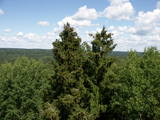 |
The recently renovated viewing tower offers a wonderful view of the impressive and forested ancient Gauja River valley. The Gūdu cliffs are visible. This is part of the Līgatne nature trails territory, where there are wide paddocks of wild animals.
|
|
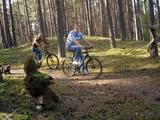 |
Brīvdienu mājas "Korķi” apkārtnes priežu mežā ir izveidota Jāņtarpiņu taka. Ideāla vieta aktīviem sēnotājiem un ogotājiem. Savukārt saules un jūras cienītāji pa šo taku 5-10 minūšu gājienā nonāks Vitrupes pludmalē, kur varēs baudīt sauļošanās un peldēšanās priekus.
|
|
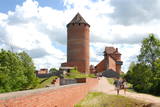 |
Before the stone Turaida Castle was built beginning in 1214, there was a wooden castle there that had been built by the Livs. The Turaida Castle was owned by the bishop of Rīga. It remained in place until 1776, when it burned down. The initial entrance to the castle's main tower was 9 m above ground, and in 1936, a viewing platform was installed at a height of 27 metres. There is no other view in Latvia that is like the one from the Turaida Castle! Restoration work at the castle began in 1953, when the upper level of the tower was restored and a roof was installed. Also restored was the former granary, which was home to an exhibition about the Sigulda region, along with the semi-circular tower and the southern segment of the castle complex, complete with the full reconstruction of its historical interior. Archaeological work was done around the castle between 1976 and 2001, and this led to the restoration of a large part of the complex. The castle now contains a museum exhibition related to the historical events of the surrounding area. The Turaida Castle is in the Turaida Museum Reserve (see above). |
|
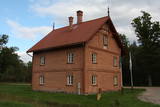 |
Vijciema čiekurkalte ir viena no retajām vēsturiskajām čiekurkaltēm Eiropā, kas celta 19. gadsimtā, un ir ne vien teicami saglabājusies līdz mūsdienām, bet arī, izmantojot vairāk nekā 100 gadus senas iekārtas, čiekurkaltē arvien tiek žāvēti čiekuri, lai iegūtu augstas kvalitātes meža sēklas. Pateicoties ēkas bagātajai vēsturei un senajām čiekuru žāvēšanas tradīcijām, Vijciema čiekurkalte ir iecienīts tūristu objekts, kas piesaista vēstures, dabas un tehnoloģiju interesentus. Vijciema čiekurkaltes apmeklētājiem ir iespēja doties izzinošā ekskursijā gan individuāli, gan grupās. Ekskursijas laikā ir iespēja atklāt čiekurkaltes vēsturi, skatīt čiekuru apstrādes cikla demonstrāciju, kā arī uzzināt, kur, kā un kāpēc čiekuri tiek lasīti. Ekskursijas un individuālos apmeklējumus iepriekš jāpiesaka, zvanot 26478620. Cena
|
|
|
|
Andrupenes dabas takā var iepazīt sūnas, pārliecināties par sfagnu lielo ūdens uzsūkšanas spēju, gar laipas malām ieraudzīt apaļlapu raseni un purva dzērveni, apskatīt spilves, vaivariņus un purva vārnkāju, kā arī purva pasauli. Takas garums ~ 750m.
|
|
 |
The café is in the Oga shopping centre, offering cheeses that are the “business card” of the city. |
|
 |
The New Sigulda Castle was built between 1878 and 1881 for Prince Kropotkin. Its tower was extended in 1937. From 1923 until 1940, the building was known as the Writers Castle, and it was managed by the Latvian Press Association. During the Soviet era, a cardiology sanatorium was housed there. In 1993, the Sigulda City Council took over the castle, and since 2003 it has been home to the Sigulda Administrative District Council. The wooden residential building (mid-19th century) in which the Kropotkin family lived still survives, as do the granary (late 18th or early 19th century), the gardener's house (19th century), and the stone wall (19th century). The New Sigulda Castle is part of the historical centre of the Sigulda, Turaida and Krimulda complex, as are the ruins of the Sigulda Castle and the Krimulda Castle, the Krimulda Estate and the Turaida Castle. |
|
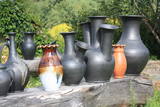 |
The potter is happy to welcome guests, offer them tours and demonstrations, and allow visitors to help in producing ceramics. Particularly interesting is the opening of the kiln, and pottery can be purchased at the site. |
|
 |
True Latgalian Apple Cider from Malnava Manor Our Story Apples Cider For Visitors Where to Buy |
|


