
| No | Name | Description |
|---|---|---|
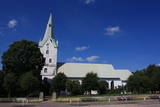 |
Atrodas pilsētas centrā - Tirgus laukuma malā. Dievnams tapis 1495. g., pēc Livonijas ordeņa mestra Valtera fon Pletenberga (~ 1450. – 1535.) pavēles. Gadsimtiem ritot, ēka pārbūvēta un tagad redzamais tornis celts 1907. g. Baznīcā apskatāmi nozīmīgi kultūrvēstures pieminekļi: altārglezna “Golgāta” - H. Kīperta darināta kopija (pēc K. Arnoldi Kandavas luterāņu baznīcas oriģināla (1864. g.)), muižniekam Fīlipam Drahenfelsam veltīta epitāfija (B. Bodekers, 16. un 17. gs. mija), A. D. Tīzenhauzenas kapu plāksne (1648. g.), kristāmtrauka pamatne (18. gs.) un piemiņas plāksne 1. pasaules karā un Latvijas Brīvības cīņās kritušajiem draudzes locekļiem (1925. g.). Ap Tirgus laukumu (atjaunots, jauka strūklaka) izvietojies Dobeles vēsturiskais centrs. |
|
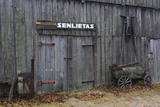 |
Atrodas Jūrmalciema austrumdaļā. Koka šķūnī sakrāti vietējo entuziastu savāktie Jūrmalciema iedzīvotāju sadzīves priekšmeti un amata rīki. Novadpētnieki te var uzzināt vērtīgu informāciju par ciema vēsturi un zvejnieku dzīvesveidu. |
|
 |
The Cheese hut dates back to 1768 and was once part of the Kalnamuiža (Smiltene) Estate. It is the only object of industrial heritage that is still found in Latvia. On the first floor there was the storage of milk and a set of cheese pots. Stairs to the second floor have been lost. The second floor was used to dry cheese, and the process was facilitated by holes in the walls of the hut so that the wind could help in the process. Although the holes have been filled up, their placement can still be easily seen. The Cheese hut is alongside the ruins of the Medieval castle in Smiltene. Sadly, it is in terrible shape and can only be viewed from the outside. |
|
 |
This farm has been offering cheese for 20 years, with milk coming from its own dairy cows. The farm sells cheese at major markets and fairs in Latvia. |
|
 |
A marked hiking route (a guide will be needed) begins at the Jēči windmill, which was built in 1878. Nearby is a dendrology park and a collection of rocks. You will learn about moraines and other geological features in the region, study various kinds of swamps, see the unique piles of rock at Pugas, as well as the Kraujiņi rock. The route is 7 or 5 km in length, returning at the starting point, and it will take some four hours to traverse. Be sure to put on waterproof boots!
|
|
 1 day
|
Ekskursijas laikā apmeklējiet dabas taku, kurā ir iespēja iepazīt Amatas novada dabas objektus gar Kumadas upes, Dančupītes un Amatas upes krastu. Pēc tam apmeklējiet Cēsu pils kompleksu. Viduslaiku pils sniedz iespēju iejusties 800 gadus tālā pagātnē, uzkāpt ar sveču lukturīšiem Rietumu tornī, nokāpt cietumā, kā arī redzēt, kā kalējs darina latgaļu rotas. Blakus esošā Jaunā pils ir 18. gs. celta pilsmuižas kunga māja, kurā tagad atrodas Cēsu Vēsture un Mākslas muzejs. Ekskursijas noslēgumā dodieties uz lauku māju Smiltenes novadā, lai iepazītu maizes cepšanu pēc sentēvu tradīcijām, kā arī pašiem izveidot savu maizes kukulīti. |
|
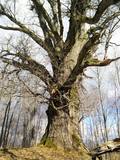 |
Aptuveni 2km garā Ķirbižu meža izziņas taka izveidota apļveidā gar Vitrupes abiem krastiem. Visā takas garumā var mācīties atpazīt Latvijas mežu raksturīgākos kokus, krūmus un augus. Šeit var aplūkot arī Vālodzes dižozolu (6.5 m). Upes labajā krastā, pie tā sauktā vīna pagrabiņa un kreisajā krastā apmēram 200 m no takas sākuma pie Meža muzeja, atklājas ainaviski skati uz ieleju un Vitrupi. |
|
 |
The café and guest house, located in the centre of Ventspils, is housed by a classical 19th century wooden building that used to belong to the Kupfer family and is listed as European Heritage. Latvian cuisine: farmer's breakfast, oat or semolina porridge, potato pancakes. |
|
 |
Zemnieku saimniecība "Dzirnas" nodarbojas ar bioloģisko putnkopību, audzē zemenes un dārzeņus. Saimniecība apsaimnieko 11 ha zemes. Tajā iegūtās olas ar zīmolu "Vistu olas", sīpoli un ķiploki tiek pārdoti veikalos "Klēts" Rimi hypermārketos Rīgā. Savukārt zemenes pārdod dzimtajā Alsungā, kā arī pēc pieprasījuma piegādā Rīgā. Iespējams arī apmeklēt un apskatīt saimniecību, taču nepieciešmaa iepriekšēja pieteikšanās. |
|
 |
Saimniecībā, kura atrodas pašā Sēlijas novada centrā, aug un zied vairāk nekā 400 dažādu rožu šķirnes, kā arī siltumnīcās tiek audzēti dažādi dārzeņu un puķu stādi. Iegādei tiek piedāvāti dažādi viengadīgie augi, vairāki simti rožu stādi un ēdamaugu stādi siltumnīcai un dārzam. |
|
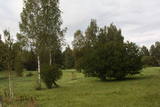 |
Work on the arboretum, which covers 15 hectares of land, began in 1968, and it was meant to be a landscape park. The first plants were planted in 1972. During the fierce winter of 1976, sadly, many of the plants froze. In 1987, the park was redesigned. At that time it had 234 types of deciduous trees, coniferous trees and bushes. There are signs showing the Latin and Latvian names of the various plants
|
|
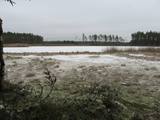 |
This is one of the most impressive and extensive natural structures of its kind in Latvia in terms of appearance and landscape. The ice age left behind this wall-like terrain, which is up to 27 metres high and at the top of which the Rīga-Ērgļi road has been built. The Great Kangari hills offer a view of the Great Kangars lake and the Great Kangari swamps and ponds. The Ķoderi castle hill, also known as the “Big Man’s Bed” is found here. The restricted area was established to protect the structure and its related biotopes and plants.
|
|
 11 days
|
On this tour there are the finest cultural and historical heritage left behind over the course of several centuries – medieval castles, different manors and splendid palaces. Part of the route goes through Gauja National Park with some excellent views of meadows and ancient forest, where farmsteads carry on with their unchanging lives. A picturesque road connects three castles - Sigulda, Turaida and Krimulda - situated on the high valley sides of the Gauja river. Further on, the road passes one of the oldest churches in Latvia and heads to two attractive 19th century manors at Birini and Igate. Next day, relax in luxury at Dikļi manor hotel. The tour then goes through charming medieval town Cesis with mighty castle ruins and a newer castle alomgside. The other part of the tour makes a loop formed by Zemgale's distinctive castles and palaces. It includes Jaunpils Castle, barely changed since medieval times, Dobele Castle ruins and Tervete ancient hillock. Located a short ride from each other are 15th century Bauska Castle, strategically situated between two rivers, the classically styled Mežotne Palace hotel and the most famous pearl in the Baltics - splendid baroque and rococo style Rundāle Palace surrounded by a French park. |
|
 |
The cafe is situated in Jekabpils, in the shopping centre Aura, on the left bank of the river Daugava. The premises are comfortable and have a touch of a countryside, which can be felt in the wooden interior of the place. They offer breakfast, dinner or supper here. Working hours: 9:00 – 20:00 |
|
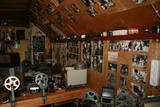 |
This is a collection of cinema and photography items collected by the owner of the Ziķu homestead in the Zirņi Parish, which is in the Saldus Administrative District. The collection includes antique film cameras and objects that demonstrate the process of taking pictures and films. The exhibition is in a log building that the owner built – one that resembles bee cells. Please contact the owner in advance for a tour. |
|
 |
The museum offers information about the history of chocolate, allowing you to learn all about the process, from raw materials to finished products. You can also prepare and taste your own bitterly sweet treat in the creative workshop. Products are available at the little store that is next door to the museum. |
|
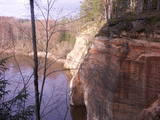 |
The viewing area on the Ērgļi (Ērģeles) cliffs offers an impressive view of Latvia’s most monolith sandstone cliffs (up to 22 metres high) – this is the highest location in the Gauja River valley. Please be very careful and don’t go anywhere near the edge of the cliff!
|
|
 |
Atrodas sporta un atpūtas kompleksā „Trīssaliņas”. No torņa paveras pievilcīga apkaimes ainava, kas īpaši skaista ir pieneņu ziedēšanas laikā. |
|
 |
The large farm is to the South of the centre of Lone, producing apples, pears, plums, cherries, strawberries and black currants. It stores apples during the whole winter. You can help to pick the fruit and berries and purchase them for yourself. |
|
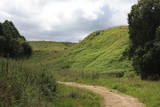 |
Found on the right bank of the Daugava, approximately half a kilometre upriver from the Skrīveri Agricultural Institute, the hill is in a place where the bank of the Daugava River Valley is split by the deep Ašķere stream valley. The castle hill was occupied beginning in the first millennium BC, with antiquities from the Lettigalian and Livonian tribes found there. During the 13th century, a brick castle was built on the hill, but it was sacked during the 17th century. Nothing remains of the castle. The castle hill is also known as Raven Hills, and it offers one of the most beautiful views of the central part of the Daugava. In the direction of Rīga, there is a field with a white cross that represents an ancient church. There is a hiking trail along the Ašķere stream. The area is well improved with four trails. The longest is the Daugava trail (10 km). |
|


