
| No | Name | Description |
|---|---|---|
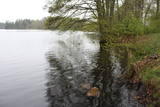 |
It is rare type of lake in Latvia and there are only of few this type of lakes in Kurzeme region. The lake is characterized by high water limpidness (very attractive for tourists) and very rare plant species for Latvia. Nature park includes the lake, costal area and forest on the East from the lake, few smaller lakes and Sarlote Pond. There are several tourist accommodations located around the lake.
|
|
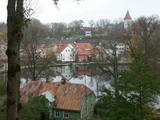 |
The historical centre of Talsi, which is known as the town of nine hillocks. The historical construction around Baznīckalns hill, Lake Talsi and Lake Vilkmuiža mostly dates back to the 19th century. Lielā Street is particularly beautiful with its low-rise buildings (two or three floors and ridged roofs). There are beautiful views from the area around Lake Talsi and Ķēniņkalns hill. |
|
 5 days
|
After the establishment of the Livonian state, the pope consecrated this land in honour of the holy Virgin Mary. This created Terra Mariana or Māra’s Land. The road between Ludza, Rēzekne and Daugavpils runs along an ancient trading route that once connected Vilnius and Kaunas to Pskov and, later, to St Petersburg and Warsaw. Very beautiful and poetically picturesque with rivers and lakes that are in Latvia’s forested land and among hillocks that offer a wonderful look at the distant horizon – that is Māra’s Land, which is also known as the Land of Blue Lakes. Lake Rāzna is the second largest in Latvia, and when the weather is clear, Mākoņkalns Hill or Padebešu Hill is reflected in its water. Atop the hill are the oldest ruins of fortifications in Latgale, dating back to the Livonian era. Rēzekne is known as the heart of Latgale, because it has always been the centre for Lettigalian culture and education. People contributed donations for the 1939 construction of a monument to Māra of Latgale. It is dedicated to those who fell during Latvia’s independence battles and the liberation of Latgale. The monument also speaks to the Catholic identity of Latgale. The monument was rededicated on August 13, 1992, the date of the assumption of the Virgin Mary. A Catholic festival at Aglona and the monument to Māra of Latgale – these are integral components of this part of Latvia. The present day is marked out clearly by the new Gors concert hall in Rēzekne, and well as the Zeimuļš student interest education centre. Daugavpils is Latvia’s second city and an important centre for industry, culture, education and sports. The Daugavpils pellet factory is unique, and the oldest pellet casting tower in Europe is now open to visitors, as are the restored Daugavpils fortress and the new Rothko Museum. Not far from Daugavpils are the small Birķeneļi semi-estate and the Rainis Museum. Latgale was the “land of new days” for the poet, and the museum now hosts gatherings of young artists and craftspeople. The ancient tradition of ceramic art that is typical specifically of this part of Latvia is still thriving. |
|
 8 days
|
In Riga enjoy Old Town with narrow cobbled streets, Art Nouveau district, visit the Central market to catch a local spirit. Going out of Riga - visit Kemeri National Park, special for its sulphur springs. Walk Kemeri Bog Trail. Enjoy recreation centre at the lake Valgums - Bare Foot Trail, Labirintus, swimming in the lake, spa treatments and excellent restaurant. Then the route goes to the Pure Chocolate Museum and turns to the ancient Abava Valley where grapes were grown from 16th century. A little part of the historic Wine Hill is there but new gardens and wineries are developed into recent years. Visit Pedvale Open-Air Art Space and then picturesque Kuldiga with well preserved wooden architecture. At country house in Skrunda see how shitake mushrooms are grown and try some meal from them. Liepaja is vibrant city with significant military heritage now accessible for everyone, beautiful white sand beach. Special meal to try there "Liepajas mencins" (Liepaja Cod). Then there is a visit to goats farm and tasting of their produce. Walk along the steep banks of Jurkalne. Explore Ventspils with its many parks, Livonian Order Castle, promenade, breakwater, well maintained beach. The route goes to the place where the open sea meets the Gulf of Riga - Cape Kolka and then along the coast towards Riga. On the way visit fishermen at Engure. See their fish making process and try the fish . Visit historic sea and spa resort Jurmala with pretty 19th centuries villas, have a lunch at the local restaurant, specialist in potato meals. |
|
 |
Latvijas Valsts mežu laivu bāzē, kas atrodas Kaņiera ezera dienviddaļā (redzama no Lapmežciema – Antiņciema ceļa) kopā ar laivu bāzes ēku apvienots skatu tornis, no kura lieliski pārredzama ezera austrumdaļa. |
|
 |
Although out of 104 village houses 97 were destroyed during World War I, at the end of the 30ies of the 20th century Lapmezciems "recovered" fast, and one of the most powerful coastal fishermen cooperatives in Latvia were operating in it. During the Soviet times here one of the largest fishery collective farms – "Selga" was founded here, the blocks of which can be seen at the mouth of the Siliņupe River. Today Lapmezciems is a popular area for summer cottages, a recreation and bathing place. As an interesting history monument of fishery the sedum of Lapmezciems is available for viewing – it is the former wharf of fishing boats, where fishermen built nest cabins and stored their equipment. Between Pīlādži Street and the left bank of the Siliņupe River in the 3rd and 2nd millennium BC settlement of fishermen and hunters were located, where a memorial stone is erected. This is the most ancient known location populated by humans within the territory of Kemeri National Park. Part of the findings is displayed at Lapmezciems museum, where local history research exposition is formed and materials about Finnish Jeager fights within the territory of Klapkalnciems are gathered. |
|
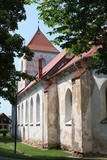 |
Atrodas Bauskas vēsturiskajā centrā, Plūdoņa ielā 13 a un ir šīs pilsētas daļas vecākā ēka. Dievnams celts 1591. - 1594. g. vēlās gotikas stilā, bet tornis piebūvēts 1614. g. Baznīcas iekšpusē atrodas nozīmīgi mākslas pieminekļi: altāris (1699. g., pārbūvēts 1861. g., mākslinieks J. Dērings), kancele (1762. g.) un ērģeļu prospekts (1766. g.) – abi Nikolaja fon Korfa dāvinājums, draudzes soli (17. gs. vidus – 18. gs. sāk.), senākais no koka veidotais Bauskas ģerboņa attēlojums (1640. g.), deviņas 16. – 17. gs. kapu plāksnes, epitāfijas u.c. Baznīca, kurā ir vērts ieiet! |
|
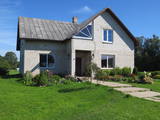 |
The creativity of this farm woman is seen in the preparation of various country goodies – cheese, baked cheese sticks, etc. The farm is biologically certified and uses its own produce. Tastings and purchases are offered, as are tours for groups of 10 people or more. |
|
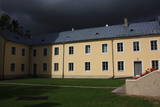 |
The origins of the castle date back to 1237. The closed yard that was typical of Medieval castles has been preserved. The interior took on its Historicism design in the mid-19th century, but there are also more ancient elements such as the gate tower, the basic walls, the firing apertures, the vaulted structures, the window apertures, etc. The Jēkabpils Museum of History was installed in the castle in 1994, and it can be toured in the company of a guide or an audio guide. |
|
 |
Einer der ausgeprägten Kaps der lettischen Küste mit Niederungsauen und einem in 1875 gebauten Leuchtturm. |
|
 |
This farm grows hemp and offers information about the history of the plant and its uses in nutrition and saunas. Hemp butter, ice cream, tea and hemp milk are offered. Take a tour with degustation. |
|
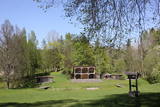 |
The location requires a drive through the Pērlis forest and sparsely populated areas. Silmači features an open-air stage, which was built in the 1980s for just one performance that was staged by the Latvian National Theatre during the Summer Solstice celebration in 1986. Ever since then, Rūdolfs Blaumanis’ famous play “Tailor Days at Silmači” has been performed here during the season. Alongside the stage is a museum that features information about the single performance in 1986. An original manuscript of the play (1902) can also be viewed. |
|
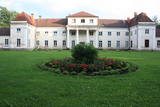 |
The Varakļāni Estate has a mansion which is known as one of the most outstanding monuments to Classicism in Latgale. It was built between 1783 and 1789 and designed by the Italian architect Vincento Macotti, and it was owned by Earl Michael Johan Borch. Late in the 18th century, the same architect designed the estate’s lovely and romantic landscape park, which was one of the first parks of its kind in Latvia. The Varakļāni Administrative District Museum is housed in the mansion today. |
|
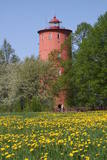 |
is the second oldest navigation structure in Latvia and the only one that is five kilometres from the shore, at the upper edge of the ancient Lake Baltic Ice. Since 2000 the lighthouse has not served its initial purpose, and now it is the home to the Nature Education Centre "Slītere" of the Slītere National Park. The centre offers exhibitions about lighthouses in Latvia and the history of the Baltic Sea. From the upper floor (102 m above sea level) one can see the coast of Saaremaa (approximately 33 km away). Alongside the lighthouse is the 1.2 km Šlītere nature trail. |
|
|
|
The peat cement factory. This is an
abandoned but unique industrial
landscape. Follow markings when crossing
the factory’s territory.
|
|
 3 days
|
This tour takes you to beautiful gardens in Latvia and Lithuania. Poems are dedicated to trees in the garden surrounding the memorial house of Edvarts Virza, a Latvian poet and writer who wrote a legendary novel about the lives of Latvian farmers. Strūbergu decorative garden offers a garden excursion and consultations in gardening. At Brukna manor you will see a vegetable garden that is arranged as a Renaissance park, a rose garden and a vineyard. The beautiful 18th century Mazmežotne castle is renovated by a grain farmer’s family. The Rundāle castle is known as Latvia’s true jewel of Baroque and Rococo architecture featuring also a rose garden with over 2200 varieties of roses. At Blankenfelde manor you will see a collection of bells and will enjoy natural juices, syrups and pickles produced in-house. Visiting Mint House you will taste mint tea, biscuits, honey with peppermint and peppermint syrups. Next stop is at the vegetable and herb farm “Droši vesels” producing herbal ointments. In Lithuania you will visit Žagarė, known for its cherry orchard-park and the special species of cherry – the ‘Žagarvyšnė’, on the National List of Plant Varieties. Stop by Žagarė Manor Park, containing more than 100 species of trees and shrubs. Back in Latvia you can have a picnic at Vilki arboretum showing about 1000 different plants - both typical of the landscape of Latvia and quite unique. At Zaļenieki tree nursery, you can walk in the garden with over 2000 trees and shrubs. Further you will enjoy the beauty of peonia in the collection garden by Andris Berkins. Amatnieki homestead offers tours of their tulip garden. Klūgu landscape garden is famous for begonias. Institute of horticulture in Dobele owns a collection of over 200 types and forms of lilac plants. ''The beautiful and practical idea garden'' is proud of its collection of conifers, and the hosts offer tastings of herbal spice powders, dried berries and fruit. “Rūķīšu tea” is one of the largest farms for medicinal plants in Latvia (purple coneflowers, marigolds, chamomile, etc). And finally, visit Liepas tree nursery specialised in cultivation of fruit-trees, berry bushes and roses. |
|
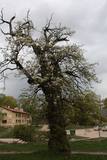 |
This is the thickest wild pear tree in Latvia. The tree is particularly beautiful when it is blossoming.
|
|
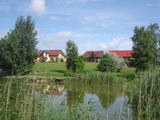 |
The farm breeds several species of chinchillas and offers a look at them. There are also decorative pheasants, peacocks, doves and different kinds of chickens, along with marmots, dwarf goats, chipmunks, rabbits, a pony, etc. You can purchase chinchillas, decorative birds and other animals, along with quail eggs, chinchilla pelts and souvenirs. There are also ponds for fishing. |
|
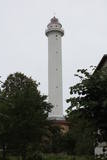 |
The Miķeļbāka lighthouse was built in 1957 and is the highest one in Latvia. Standing 58 m tall, it can only be viewed from the outside. |
|
 |
Atrodas dienvidos no Vienības nama. Skvērs veidots 19. gs. otrajā pusē. Tajā atrodas vairāki ievērības cienīgi objekti: strūklaka (20. gs. 20. gadi), latviešu tautas dzejnieka Andreja Pumpura krūšu tēls, piemiņas akmens Nevainīgajiem sarkanā terora upuriem un Sv. Aleksandra Ņevska pareizticīgo kapela. Vienības ielas otrā pusē paceļas iespaidīgā Daugavpils universitātes ēka ar Raiņa pieminekli un saules pulksteni priekšplānā. |
|


