
| Nr | Nosaukums | Apraksts |
|---|---|---|
 |
Kafejnīca Ugandi ir mājīga vieta pašā Otepää sirdī, kur valda silta gaisotne, patīkamas noskaņas un garšas ir tīras un tīkamas. Ierodoties tūliņ sajutīsiet kvalitatīvas kafijas un saldu maizīšu smaržu. Lielā vitrīna ir pilna gardām kūkām – tās var baudīt gan uz vietas, gan iegādāties līdzņemšanai. |
|
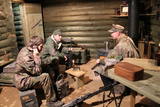 |
Pie Vidzemes šosejas pirms Melturu tilta pāri Amatai ir privātais muzejs "Mežabrāļu bunkurs". Bunkurs izveidots, lai varētu vēstīt par Nacionālo partizānu mežabrāļu cīņu laikā no 1944.-1956. gadam, kad mežos pret okupācijas varu cīnījās ap 20 000 Latvijas patriotu. Nacionālo partizānu bunkurs izveidots balstoties uz savāktajām mežabrāļu atmiņām, dienasgrāmatu pierakstiem un fotogrāfijām. Uz bunkuru ved meža taka ar informāciju par dažādiem mežabrāļu piedzīvojumiem un cīņām. Bunkura pazemes daļā apskatāmi vēsturiskie priekšmeti, kas viņus pavadīja dzīvē un cīņā. Saimnieks piedāvā pastaigu pa meža taku, kur izvietota informācija par mežabrāļiem un slēpņu spēle bērniem. Ar iepriekšēju pieteikšanos iespējams iekļūt bunkurā un apskatīt iekārtotu bunkuru ar mežabrāļu izmantoto ieroču, munīcijas un citu priekšmetu ekspozīciju. Stāstījumu papildina savāktās mežabrāļu interviju videoieraksti. Apmeklētājiem iespējams pasūtīt mednieku desiņu cepšanu lapenē pie bunkura. |
|
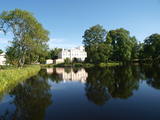 |
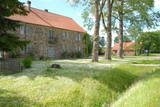
Igates pils atrodas skaistā vietā, Igatē, 15 minūšu braucienā no Limbažiem un mazliet vairāk kā stundas braucienā no galvaspilsētas Rīgas. Pils teritoriju ieskauj dīķis un iekopts parks nesteidzīgām pastaigām. Komplekss pieejams svētkiem pilī un atpūtai brīvdienu mājā. Teritorijā ir arī Igates Dzirnavu krodziņš. |
|
 |
Ekspozīciju veidojis tās īpašnieks – Valdis Tumovs daudzu gadu garumā. Kolekcijā ietilpst kara laikā izmantotie ieroči un munīcijas fragmenti, formas tērpi, sadzīves priekšmeti, atsevišķi militārās tehnikas eksponāti (motocikls) u.c.
|
|
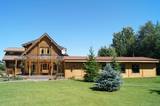 |
Viesu nams atrodas vien 200 metru attālumā no Vidzemes jūrmalas. Tajā tiek piedāvātas nakšņošanas iespējas gan istabiņās, gan guļbūves namiņos, gan kempinga tipa mājiņās. Tāpat pieejamas telšu un ugunskura vietas, kā arī tenisa korts, pirts un āra kubls. Iespējams rīkot dažādus svētkus līdz 100 personām, tiek nodrošināta arī ēdināšana pēc iepriekšējas vienošanās. Netālu no viesu nama atrodas vasaras kafejnīca, kā arī divas lielas autostāvvietas. |
|
 |
Restorāns "Laivas" atrodas Jūrmalā, Lielupes krastā. Piedāvājumā mūsdienu Latvijas virtuves ēdieni, izmantojot vietējos produktus. Restorāna īpašais piedāvājums ir kūpinājumi, kas gatavoti, balstoties uz tradīcijām un gadiem krāto pieredzi. Restorāns ieguvis dažādus apbalvojumus, tai skaitā iekļauts prestižajā Nordic White Guide un Top 30 Latvijas Restorāni 2019. |
|
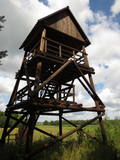 |
Atrodas Skuķu ezera dienvidrietumu krastā. Sasniedzams no Putnu salas, ejot cauri dzīvei savvaļā pielāgoto mājlopu aplokiem un taku. No torņa labi pārskatāma Dvietes paliene (ūdeņainos pavasaros pārplūst) un aizaugušais Skuķu ezers. Laba putnu vērošanas vieta. Putnu salas Atālu mājās – vietējais gids. |
|
 |
A/s „Preiļu siers” ir lielākais siera ražotājs Latvijā, kas eksportē vairāk kā 90 % siera. Pilsētā atrodas trīs veikali „Preilis” (Daugavpils iela 66 a, Tirgus laukums 5, Rēzeknes iela 15), kuros pieejams visplašākais a/s „Preiļu siers” produkcijas klāsts. Preiļos ražotā siera “Čedars” trīs veidu degustāciju, kā arī mājas saldējumu no šī siera ar filmas noskatīšanos par ražotni piedāvā vietējie mājražotāji, kas atrodas Preiļu parka aktīvajā jeb pludmales zonā – pludmales terases kafejnīca “Pampūkas” (degustācijām iepriekšējā pieteikšanās pa tel. 25867735, darbojas no Mātes līdz Tēva dienai). Preiļos pie A/S “Preiļu siers” rūpnīcas (Daugavpils iela 75) atrodas Latvijā vienīgais piemineklis sieram. Vēl pasaulē ir tikai četri pieminekļi sieram, no tiem divi atrodas Francijā un pa vienam - Kanādā un ASV. Tādēļ Preiļus droši var dēvēt par Latvijas siera galvaspilsētu. |
|
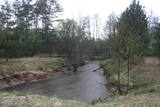 |
Dabas liegums atrodas dienvidos no bijušā Ventspils – Liepājas dzelzceļa un ietver Užavas upi (t.sk. vecupes un veco meliorācijas sistēmu) ieskaujošās pļavas aptuveni 6 kilometru garumā, kas padomju laikā tika izmantotas kā kolhoza lauki (dažādas lauksaimniecības kultūras, siens), bet tagad pamazām aizaug ar krūmāju (nepieciešama regulāra pļaušana). Aizsargājamās vērtības – retas putnu sugas, t.sk. griezes, dažādi pļavu biotopi un augu sugas. Teritorija nav piemērota tūrisma aktivitātēm. Pietiekami labs priekšstats par Užavas augšteci rodas arī to vērojot „no malas” – no Alsungas - Bērzkalnu ceļa, kura malā pie Užavas upes izveidots informācijas stends. No tā pārskatāma lieguma ziemeļu daļa.
|
|
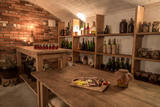 |
Viesi tiek aicināti apmeklēt viesu nama tradicionālo lietuviešu etnogrāfisko pagrabu. Šeit piedāvā degustēt sālīto speķi ar skābētiem ekoloģiskajiem gurķiem, nogaršot mājas sieru ar dažādiem dabīgajiem ievārījumiem, nogaršot viesu nama saimnieku gatavoto ābolu vai vīnogu vīnu. Tāpat viesi tiek cienāti ar šeit gatavoto irbeņu tēju. |
|
 |
Burtnieku muižas parks, kas atradās kungu ēkas priekšā, ir valsts nozīmes dabas aizsardzības objekts, tika izveidots ap 19.gs. 60. gadiem 10 ha platībā. Iespēja doties ekskursijā pa Burtnieku muižas parku mazākā vai lielākā grupā. Ekskursijas laikā gida pavadībā iespējams iepazīt teikām un nostāstiem bagāto parku, apskatīt teiksmaino Burtnieku ezeru, kā arī baudīt nesteidzīgu pastaigu svaigā gaisā. Papildus tiek piedāvāta iespēja iegādāties oriģinālus Burtnieku suvenīrus, kuros dažādi meistari ielikuši ne vien savu talantīgo roku darbu, bet arī Burtnieku stāstu. Lai diena būtu piepildīta, gids ieteiks, ja nepieciešams, koordinēs un dosies līdzi apskatīt arī citus dabas un vēstures objektus tuvākajā apkārtnē. |
|
 |
Alatskivi muižas vēsturiskajā ledus pagrabā gatavo vīnus, zāļu tējas, pārtikas suvenīrus, garšvielu etiķus un ievārījumus no apkārtējos mežos un laukos iegūtās ražas. Mājīgajā veikaliņā var degustēt un iegādāties gan vīnus, gan tējas, gan citus vietējos pārtikas suvenīrus. Ja grupa ir lielāka vai vēlaties mūs apciemot ārpus darba laika, par savu ierašanos vēlams brīdināt iepriekš. |
|
 |
J.
Lībietis strādāja par Valsts Ķemeru sēravotu
iestādes direktoru no 1928. – 1944. gadam.
|
|
|
|
Unikāla ar savu 17. gs. attālāk no baznīcas celto zvanu torni. |
|
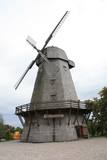 |
Vējdzirnavas celtas laikā no 1867. – 1869. gadam pēc holandiešu tipa projekta. Savu nosaukumu tās ieguvušas pēc pirmā īpašnieka uzvārda – Riba. Dzirnavās, kas ir viens no labāk saglabājušamies šāda tipa arhitektūras pieminekļiem Latvijā, ir izveidota izglītojoša ekspozīcija – „Grauda ceļš”, kas stāsta par lauksaimniecības attīstību Zemgalē, graudkopības un maizes cepšanas tradīcijām. Tiek piedāvāta arī ekskursija gida pavadībā. Vējdzirnavas ietilpst atpūtas kompleksā (viesnīca, restorāns, dzirnavas) „Rožmalas”. |
|
 |
Kafejnīca - konditoreja "The Marmelade" atrodas Kuldīgas vecpilsētā pie Rātslaukuma, blakus tek Alekšupīte. Uz vietas tiek gatavoti gan dažādi konditorejas izstrādājumi, gan pati mīkla. Iespējams nobaudīt kafiju un iknedēļas īpašos pusdienu piedāvājumus. |
|
 |
Ceļā uz Turaidu noteikti ir jāpiestāj pie Gūtmaņa alas. Tā ir platākā (12 m), augstākā (līdz 10 m) un apjoma ziņā – viena no varenākajām Latvijas alām (alveidīga niša), kas ir arī nozīmīga kultūrvēsturiska un nostāstiem (populārākais par Turaidas Rozi) apvīta vieta ar seniem sienu un griestu uzrakstiem (vecākie no 17. gs. beigām). No alas iztek avots, kam piemītot dziednieciskas īpašības. Vietā, kur Gaujas senlejas labo pamatkrastu pāršķeļ vairākas mazu strautu dziļās gravas, izvietojies Turaidas muzejrezervāts ar Baltijas mērogā izciliem pieminekļiem, kuru vēsture iestiepjas 1000 gadu tālā pagātnē. To iepazīšanu var sākt ar Turaidas muižas (pirmoreiz minēta 16 gs.) apskati, kas ir izcils Vidzemes muižas parauga piemērs. Līdz mūsdienām ir saglabājusies 21 ēka, kas celta no 18. gs. līdz 20. gs. sākumam. Apmeklētāji var apskatīt muižas stalli, ratnīcu, pirti, smēdi, zivju pagrabu, klēti, vagara māju, muižkunga veco dzīvojamo ēku, muižas kalpotāju dzīvojamo ēku, kalti u.c. Ejot Turaidas pils virzienā, nonāksim pie Turaidas Rozes kapa, ar ko saistīta leģenda par Turaidas Maiju, kas ziedoja savu dzīvību mīlestības vārdā. Blakus kapam aug diža liepa (sliktā stāvoklī), kas it kā dēstīta uz Maijas kapa. Tālāk esošā Turaidas luterāņu baznīca ir pēc kārtas trešais dievnams un viena no vecākajām (1750. g.) Latvijas koka baznīcām - vienjoma koka guļbūve ar barokālu tornīti. Tajā apskatāms altāris un kancele (18. gs. vidus), altārglezna "Golgāta" (17. gs. beigas – 18. gs. sākums) un vēstures ekspozīcija. Dainu kalnā plešas Tautasdziesmu parks, kura izveidi uzsāka 1985. g., atzīmējot latviešu dainu tēva - Krišjāņa Barona 150 gadu jubileju. Šobrīd tajā ir izvietotas vairāk nekā 26 tēlnieka I. Rankas darinātās akmens skulptūras. Te notiek arī ikgadēji folkloras pasākumi. Pirms Turaidas mūra pils celtniecības (uzsāka 1214. g.) tās vietā atradās lībiešu no koka celtā pils. Turaidas pils piederēja Rīgas bīskapam. Tā pastāvēja ilgu laiku - līdz pat 1776. g., kad nodega. 1953. g. te uzsāka plašākus restaurācijas darbus, atjaunojot Galvenā torņa augšējo stāvu, klēts ēku (ekspozīcija par Siguldas novadu), pusapaļo torni un pils kompleksa dienvidu korpusu. Tagad pils telpās ir izveidota muzeja ekspozīcija, kas vēsta par apkārtnes vēsturiskajiem notikumiem. |
|
 |
Produktu izgatavošana no ārstniecības augiem - tējas, sīrupi, augu pulveri, ziedes. Pakalpojumu piedāvājums - ekskursijas, radošās darbnīcas, meistarklases, pirts. |
|
 |
Atrodas uz nelielās Mīlestības saliņas, ko ieskauj Buļļupes un Daugavas ūdeņi. Saliņa sasniedzama tikai ar laivu. No torņa labi pārskatāma Daugava, Daugavas vārti (ieteka jūrā), Bolderājas, Mangaļsalas un Ziemeļblāzmas apkaime, kā arī apkaimes mitrāji (niedru audzes, ūdeņi). |
|
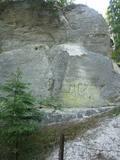 |
Sietiņiezis atrodas Gaujas labajā krastā starp Valmieru un Jāņmuižu (uz ceļiem izvietotas norādes). Te ir izveidota labiekārtota lokveida dabas taka. Sietiņiezis ir viens no lielākajiem Latvijas baltā smilšakmens atsegumiem. Tā kraujas lielākais augstums ir 15 m, bet klinšu garums – ap puskilometru. Klintis ir interesantas ar formu daudzveidību. Te ir apskatāmas gan nelielas alas un nišas, gan erozijas gravas, kā arī smilšakmens veidojumi, kas atgādina stabus. Vienu no tiem sauc par Velna papēdi, bet nelielo 10,5 m garo alu – par Velnalu. Lai saudzētu atsegumu, tas no takas norobežots! Sietiņieža nosaukums ir it kā cēlies no daudzajām vientuļo bišu veidotajām aliņām, kas „izcaurumojušas" smilšakmens virsmu kā sietu. No Sietiņieža dienviddaļas paveras skats uz Gaujas senleju, bet tā apkārtnē plešas ainaviski priežu meži. Pie Gaujas izveidota atpūtas vieta, kur var kurināt ugunskuru un ieturēt maltīti. |
|


