
| Нo | Название | Описание |
|---|---|---|
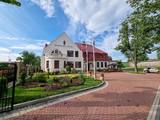 |
The only Art Nouveau building in Aluksne, built at the beginning of the 20th century, now works as a hotel. Historically, the building once housed a Railway hotel, so the original name of the hotel - "Bahnhofs Hotel" (transl. from German - "Railway" hotel) was kept. The hotel has 9 rooms (some of which extra beds can be arranged). At an additional cost an English-style breakfast is available. Hotel guests are offered a half-hour free access to the swimming pool at hotel "Jolanta", which is nearby, as well as electric scooter and bicycle rental. A banquet hall is also available for various events. N.B. Hotel bookings must be made at least 12 hours before arrival. |
|
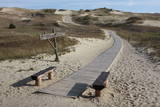 |
Die Dünen nördlich Pervalka über dem ehemaligen Dorf Negeln. Eine 9 km lange Strecke mit den wüstenartigen Landschaften. Stegpfade. |
|
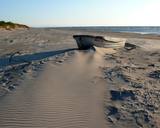 |
Валгумс или седумс – так называлась песчаная прибрежная полоса между дюнами и водой, где стояли лодки и сушились сети. Каждому селению принадлежало несколько пляжей, которые в 20-30 г.г. 20 века имели большое значение для сохранения языка ливов. |
|
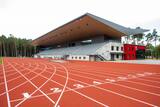 |
Изначально был открыт в 1938-м году, но позже многократно перестроен. Возле стадиона установлен памятный камень в честь Яниса Далиньша (1904 – 1978), который являлся многократным рекордсменом мира в спортивной ходьбе. В 1932-м году на Олимпийских играх в Лос-Анджелесе Я. Далиньш занял второе место в спортивной ходьбе. На стадионе в 1993-м году состоялись первые всемирные латышские Олимпийские игры Трех Звезд. В наши дни стадион Далиньша является легкоатлетическим стадионом государственного значения, на котором проходят международные соревнования, и местом для занятия спортом, получившем статус самого дружественного места для молодежи. |
|
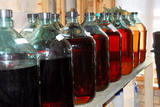 |
Производители спиртовых напитков. В ассортименте продукции – водка «Саркано клиншу уденс» («Вода красных утесов»), водка и настойка из клюквы, брусники, черники, рябины, облепихи и др. Делают особый «Зиемассветку балзамс» («Рождественский бальзам»). Предлагают экскурсию, интересно рассказывают о процессе приготовления напитков. |
|
 |
Ресторан на берегу моря в Каугури, Юрмале. Обустроен в старинном латышском рыбацком дворе. Во время сезона проводятся мероприятия с живой музыкой. Латышская кухня: Рассол с колбасой, холодный суп, серый горох с салом, кровяная колбаса, вареные свиные уши, свиная голень с квашеной капустой, жареная на углях свинина, бычьи яйца, горшочек с говядиной. Особое блюдо: Жаренная на углях малосоленая селедка. |
|
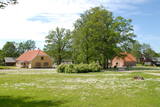 |
В месте, где правый основной берег древней долины Гауи раскалывают несколько глубоких оврагов с маленькими ручьями, расположился Турайдский музей-заповедник с выдающимися в масштабе Балтии памятниками, история которых уходит в 1000-летнее далекое прошлое. Среди них необходимо упомянуть Турайдскую господскую усадьбу (21 здание), могилу Турайдской Розы, Турайдскую лютеранскую церковь (одна из старейших (1750 г.) деревянных церквей Латвии) и Турайдский замок. Рядом на горе Дайн организуются всевозможные тематические мероприятия. |
|
 |
Кафе со свободной атмосферой в Адажи. С террасы открывается вид на берега реки Вейупе и красивые закаты. В предложении современная мировая кухня: салаты, закуски, супы, сытные основные блюда, бургеры и освежающие напитки. |
|
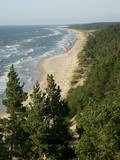 |
Construction on the lighthouse was initially completed in 1879. The structure suffered damage during both world wars and was restored several times. The structure is 19 metres high and stands 46.5 metres above the wavy sea. Here you will find one of the loveliest views of the shores of the Baltic Sea.
|
|
 |
В давние времена проспект Курмаяс был главной дорогой, ведущей на пляж. Вдоль проспекта стоят роскошные дома и виллы рубежа XIX – XX века, принадлежащие аристократам – обожателям моря и побережья. Здесь установлены отлитые в бронзе скульптуры из гимна Лиепаи «Город, в котором рождается ветер» - «Лодочник», «Янтарные латыши», «Ворона» и др. В конце проспекта возвышается памятник погибшим морякам и рыбакам (установлен в 1977 г.). Он символизирует женщину, которая ждет возвращения домой своего мужчины. На проспекте Курмаяс 16/18 находится Лиепайский историко-художественный музей. Музейный фонд (всего более 100 000 экспонатов)разместился в построенном в 1901 году в стиле эклектизма (с элементами готики) доме, который строился по эскизам берлинского архитектора Эрнеста фон Ине и проекту П. М. Берчи. В экспозиции представлена каменная стела – единственная подобного рода находка в странах Балтии с могильника под Гробиней (могильник Скандинавов). |
|
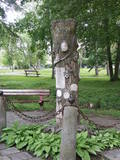 |
Mесто дуба любви – бывшее место роста
Кемерского символа на левом берегу
Вершупите.
|
|
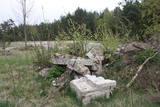 |
Топливный склад – это часть бывшего комплекса военных объектов, располагающихся в Папе. В настоящее время объект заброшен и не используется.
|
|
 |
Die im 19. Jh. gebauten Mühlen sind vollständig renoviert. Eine Erzählung über ihre Geschichte und einem originalen Arbeitsmechanismus. |
|
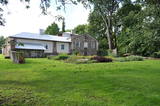 |
Мыза Олуствере — один из наиболее полно сохранившихся мызных комплексов Эстонии. Центр мызы окружен парком в английском стиле и аллеей старинных деревьев. В различных зданиях комплекса экспонируются чучела птиц, деревянные лошадки и антикварная мебель. Открыты ремесленная и шерстяная мастерские, кузница,гончарная, керамическая и стеклянная мастерские и винный завод. В рабочих комнатах мызы желающие могут попробовать свои умения. В главном здании мызы находится туристический центр. |
|
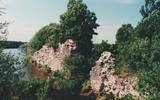 |
В наши дни – это остров на водохранилище Плявиньской ГЭС, на который можно попасть на лодке. Древнее городище селов, которое было многократно заселено в период времени с 6-го по 12-й века. Здесь находился политическо-военный центр края Селия. В 1373-году, также как и на многих других древних городищах, Ливонский орден построил каменный замок, который был разрушен в 1704-м году во время Северной войны. До наших дней сохранились остатки четырехугольной башни, помещение для стражи и насыпь перед замком высотой 12 метров. Примерно 0,3 км на север от Селпилсского городища можно увидеть затопленное городище Олинькалнс. |
|
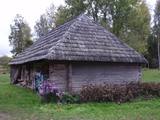 |
В гостях у кавалера ордена Трех звед, хранительницы культурного наследия суйтов, певицы и рассказчицы Лидии Янсоне вы узнаете об истории суйтов, традициях и специальном бурдонном пении, а также узнаете, как в древности в домашних условиях делали пиво, которое наши предки варили для торжеств и по праздникам. |
|
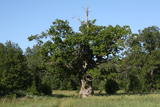 |
The tree is in the middle of an untended field. Despite many dead branches and the messy surroundings, the tree is beautiful and well visible from the road. It is the third thickest tree in the Baltic States.
|
|
 |
On 14 June 1991, this sign sculpted by Zezostrs Ķēde in memory of the repressions of 1941 and 1949 was unveiled in the garden of Pēterupe Church. |
|
 |
The hosts produce mixtures of dried herbs and vitamin tea in a full cycle - from seeds to a packet of spices. The farm beds and greenhouses grow a wide range of vegetables and herbs - dill, onions, garlic, chives, mint, sage, thyme, coriander, hyssop, tarragon, peppermint, chili, basil. Also used wild plants - nettle, gooseberry, viburnum, dandelion, yarrow, oregano. |
|
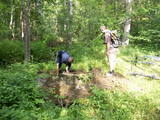 |
Остатки серного источника "Лягушечка"
– сегодня только знаток или старательный
поисковик в лесу между гостиницей "Кемери" и
"Межа Мая" найдет место когдато известного,
но уже бывшего серного источника, который
опознается по поврежденным человеком и
временем железобетонным конструкциям.
|
|


