
| No | Name | Description |
|---|---|---|
 |
One of the richest sources of sulphurous water in Latvia.
|
|
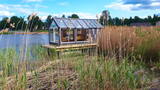 |
Million star hotel ir videi draudzīgi namiņi, kas atrodas uz pontoniem Viļakas ezera krastā un aprīkoti ar visu nepieciešamo patīkamai atpūtai. Iespējams izvēlēties klasiskā jumta bungalo ar vinila plašu atskaņotāju vai stikla jumta bungalo, kas piedāvā zvaigžņu vērošanu caur teleskopu. Pieejama e-velosipēdu, SUP dēļu, laivu un velosipēdu noma, iespējams izbaudīt arī pirti. |
|
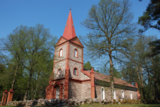 |
The church was built in 1835, and its greatest treasure is the organ, which was built by Karl Bittner in 1854. The manse is being restored. Boats are available for rental. |
|
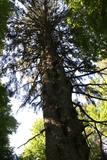 |
This is the thickest and mightiest Norwegian spruce (Picea abies) in Latvia. Its monolithic trunk, with its small holes, is unusual. The tree is in the overgrown park of the former Īve Estate, behind the ruins of the mansion.
|
|
 3 days
|
Во время путешествия Вы осмотрите знаменитую Гору Крестов, Старый Каунас. Со смотровых площадок или во время прогулки на кораблике Вы увидите живописные излучины реки Неман. В курортном городе Друскининкай Вы посетите Парк Грутас со скульптурами и памятниками советского периода, переживете ушедшие „советские времена”. Сможете на велосипеде прокатиться по Национальному парку Джукия – одной из нетронутой природной территории Балтии. Вечером можете насладиться SPA процедурами по Вашему желанию и отдохнуть в Друскининкайском аквапарке. |
|
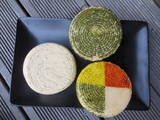 |
The Talsi Dairy was established in 1922 after merging several other dairies. The Talsi Dairy company was established later on these foundations. One of the best known products is “Talsu Ritulis” cheese. Products such as milk, kefir, cottage cheese, butter, cheese, etc., can be purchased at the “Piena sēta” store that is alongside the company. |
|
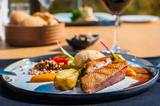 |
The restaurant is located in the first five-star hotel located outside the cities in Latvia, in a beautiful place with a story and a future - in Amatciems. Chefs use local, natural products to prepare meals and serve them with a contemporary interpretation and an emphasis on taste and quality. |
|
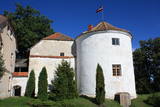 |
The first stone castle in Alsunga was built in 1372, starting with the central part of the southern wing. The authorised representative of the Livonian Order, who was subject to a higher-ranking official in Kuldīga, lived here. The guard towers and other parts of the castle were gradually added between the 15th and the 18th century. The Baroque castle with its two towers is quite impressive. The castle is unique in and outside of Latvia in that it is one of the rare Medieval castles to have survived to the present day in part, but in its original historical appearance. The castle offers an exhibition about its history. Visitors can look at a Suiti kitchen, write a letter with a fountain pen in Barbara’s boudoir, or celebrate a special event in the romantic venue of the castle’s round tower. Renovation of the castle began in 2018, and it is closed to visitors. Still, you can look at its exterior and tour its garden. |
|
 |
A tea house in Alsunga that offers to taste delicious herbal teas and home-baked cakes, as well as enjoy cultural events and a truly unique traditional Latvian herbal tea ceremony. |
|
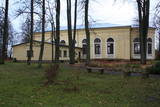 |
Dievnams celts (1851. g.) un vēlāk (1876. g.) paplašināts. Tas tika sagrauts 2. Pasaules kara laikā un pēcāk atjaunots. Līdz Latvijas neatkarības atgūšanai to izmantoja par skolas sporta zāli. Pēc draudzes darbības atsākšanas (1989. g.) sākās arī baznīcas un ar to saistīto tradīciju atdzimšana. Apskatāma no iekšpuses. |
|
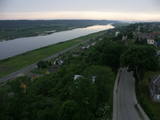 |
This park covers the Nemuna River valley between the villages of Seredžius and Geldaudišķis, with lovely views of castle hills, medieval castles, aristocratic estates, etc., along the shores.
|
|
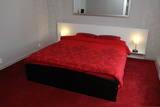 |
Guest house AMRAI is located in Ventspils, in a quiet, tidy area, 6 km from the central beach and 2 km from the wild beach. For accommodation we offer a well-equipped two-storey holiday house with two separate rooms, as well as well-equipped 1-room and 3-room apartments in a private house with separate entrances from the yard. The one-room apartment has a shower, toilet, kitchen, TV - local, internet. The three-room apartment has a jacuzzi bath, toilet, kitchen, TV-spot, internet. Both apartments have a washing machine. In the garden there is a place for games, trampolines, grills. Offers board games and outdoor games - free of charge. Possibility to order meals, talk to a babysitter, rent bicycles. |
|
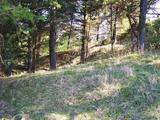 |
Kirkas Hill in Micāni. In 1792, a small castle on the hill Priežukalns (Kirkas kalns) was rebuilt into
Lutheran Church. Nowadays, the hill still is called Kirkas kalns (in German „Kirche” means „church”).
Old people say – under the church there is a big cellar where the jewellery of church and the Mantefel
family is hidden; Manteifel family vault is there too.
|
|
|
|
Andrupenes dabas takā var iepazīt sūnas, pārliecināties par sfagnu lielo ūdens uzsūkšanas spēju, gar laipas malām ieraudzīt apaļlapu raseni un purva dzērveni, apskatīt spilves, vaivariņus un purva vārnkāju, kā arī purva pasauli. Takas garums ~ 750m.
|
|
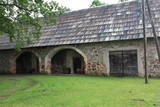 |
The road leading to this estate is reminiscent of a narrow mountain road with a deep river valley alongside it. The estate used to be known as the Libe Estate, and the buildings that are seen there now belonged to a nobleman, Magnuss. The mansion has a Neo-Gothic glass tower which is known as an architectural curio among specialists. The Sarkaņi Parish Council sits in the mansion. The granary is the work of a local enthusiast, Andris Trečaks, who has collected a series of ancient objects. Outside the granary is a very broad view of the “lower” Lubāna flatlands, resembling a painting with an empty frame. |
|
|
|
Eine der malerischischen Burgberge am Fluss Nemunas mit schöner Sicht aufs Flusstal. In 13 – 14 Jh. befand sich hier eine militäre Festung, die nicht erhalten ist. |
|
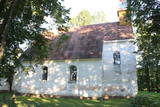 |
The Zasa Lutheran Church is in the northern part of the Zasa park, was built in 1750, and is a small Lutheran church. The organ, which was produced by the distinguished organ builder Andrejs Sūnākslis, was recently restored. The graves of German soldiers who fell during World War I are near the church. |
|
|
|
Skuķu un netāli esošais Dvietes ezeri ir vieni no teritorijas grūti pieejamajiem palieņu ezeriem – lielākie šāda tipa
ezeri Latvijā. Palu laikā pārplūst, savienojoties vienā lielā ūdenskrātuvē.
|
|
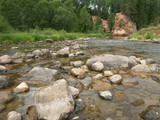 |
The Amata is one of Latvia's swiftest river, and water tourists congregate there each spring to engage in extreme activities. From the Rīga-Veclaicene highway, the Amata flows into a deep valley, with an average drop of more than 3 m/km or, downriver, as much as 8-10 m/km. Water tourists usually use the segment of the river between Melturi and the Zvārte cliff or the Veclauči bridge that spans the Līgatne-Kārļi road. Please remember that the Amata is not a friendly river for beginners. After lengthy rainfall, the river can be navigable during other times of the year, as well. The surrounding valley is attractive because of impressive sandstone and dolomite cliffs, among which the best known are the Vizuļi cliff (which can be the site of beautiful frozen waterfalls in winter), the Ainavu cliff, the Ķaubju cliff, the Dzilna cliff, the Zvārte cliff, and the Lustūzis cliff. Between Melturi and Veclauči, there is the Amata geological trail, which is marked with orange paint on tree trunks. There are three segments to the trail – from Melturi to the Kārļi fish farm, from the fish farm to the Zvārte cliff (both segments can be extreme!), and from the Zvārte cliff to the Veclauči bridge. You can hike the trail at any time except when there is deep snow. The most impressive views will be found when the trees are bare. If you boat down the river, you will not have time to look at or photograph the cliffs, because all of your attention will be focused on the river itself and the obstacles therein. |
|
 1 day
|
Dodieties ekskursijā, lai gūtu ieskatu lauku profesijā un dzīvesveidā, kā arī iegūtu jaunus iespaidus un labu atpūtu visai klasei. Ekskursijas laikā apmeklējiet ekopoligonu, kas ir unikāls piemērs ekoloģiski saderīgu darbības virzienu ieviešanai. Pēc tam apmeklējiet saimniecību, kurā iespējams aplūkot Latvijas tumšgalves aitas, uzzināt par to audzēšanas specifiku, dzīves paradumiem un aitkopības nozari Latvijā, kā arī iespējams aplūkot dažādus putnus - tītarus, zosis, pīles, vistas un pērļu vistas. Saimniecībā atrodas arī observatorija, kur var noklausīties lekciju par zvaigznēm, planētām un citām tēmām. Ekskursijas noslēgumā dodieties uz kokapstrādes darbnīcu, lai meistaru vadībā darbotos ar tradicionālajiem kokapstrādes instrumentiem un apgūtu senās spēles. |
|


