
| No | Name | Description |
|---|---|---|
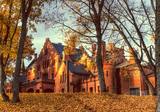 |
Castle's prototype is England's Windsor castle. Sangaste Castle was finished in 1883. Its last owner was Friedrich von Berg (1845. - 1938.) - known grain selector. Near the castle is a park. |
|
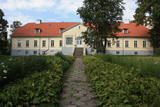 |
Находится ~ в 1 км на восток от центра Априки. Дворец господской усадьбы (стиль барокко) строился с 1742 по 1745 гг., а башня неоготического стиля как пристройка возводилась в конце XIX века. На фронтоне главного фасада дворца выполнен рельеф из песчаника с гербом родов баронов Остен – Сакенов и Корфов, который является самым роскошным элементом среди подобного рода имений Латвии. В здании сохранились и первоначальные элементы интерьера (осматриваются в сопровождении гида) – дверные створки, расписанная голландская печь, оконные дубовые ставни, коробки, чеканные металлические детали и паркет. В комплекс господской усадьбы входит дом управляющего, дом прислуги, хозяйственные постройки и парк. С 1920 года во дворце господской усадьбы действует школа и устроен музей края, который непременно следует посетить! Сейчас в музее выставлена коллекция этикеток производимого в Латвии хлеба. В 1901 году господскую усадьбу приобрел Карл Густав Маннергейм (1867 - 1951), который был президентом государства Финляндии и легендарным автором системы фортификации линий Маннергейма - Зимняя война (1939 - 1940). |
|
 |
One of the richest sources of sulphurous water in Latvia.
|
|
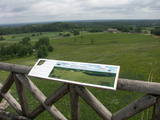 |
This park is in a region of hillocks in the Karula highlands, and Lake Ähijärve is at its centre. The park offers a cultural environment of small farms, and it was set up to protect the unique cupola-shaped hillocks of the area. Main attractions: Scenic Lake Ähijärv (176ha), Rebasemõisa Tornimägi hill (137.8 m above sea level), undulating landscapes. |
|
 |
By the beekeeping farm “Kalniņi” there is a Bee Hut – small wooden house in which you can feel the presence of bees. The hives with seven bee families are built-in the sides of the Bee Hut, but inside the building they are designed as beds or seats. When looking at the building from the outside you can see the bee runs and also bees themselves. In addition, “Kalniņi” also offer different types of bee products – honey, pollen bread, beautiful and aromatic wax candles. It is possible to taste beekeeping products and enjoy a cap of warm tea. Families with kids can participate in educational workshops, learn how to make wax candles and gain information about the daily life in the beekeeping farm. Since summer 2018 everyone can also visit the House of Crafts, where you can participate in different activities such as Encaustic painting (also known as hot wax painting), create wooden souvenirs with burnt folk signs as well as create wax candles etc. The House of Crafts offers different itineraries for grownups, kids, youngsters and newlyweds. There you can also purchase the offered products - various flower honey, pollen, pollen bread, propolis, cell honey and wax candles. |
|
 |
Pitas ir pēc inovatīvas žāvēšanas tehnoloģijas radītas augļu, ogu un garšaugu garšvielas, kuras ražo mājražotāja Lorita Miķelsone. Mājražotāja labprāt ļaus nodegustēt un iepazīstinās ar Pitām jebkuru interesentu, uzņemot apmeklētājus Skaisto un praktisko ideju dārzā Dobelē. |
|
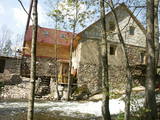 |
The Narūta River which flows out of Lake Ežezers is approximately 1 km long and ends at the small Obiteļi windmill lake. On the right bank of the river is a windmill that was built around 1900. Today the site has the Obiteļa leisure centre with a sauna and banquet facilities. |
|
 |
Saimniecība nodarbojas ar kaņepju audzēšanu un produktu izstrādāšanu vecajā Aizputes Pilsmuižas krogā, kas atrodas blakus Aizputes Livonijas ordeņa pilsdrupām. |
|
 |
Atrodas austrumos no Alūksnes Tempļa kalna un dienvidos no Lieliem kapiem – Tempļa kalna parkā. Skatu torņa platforma atrodas apmēram 30 m augstumā virs Alūksnes ezera ūdeņiem. Labi redzama Marijas sala, Alūksnes parks, Alūksnes ezera piekraste līdz Kolberģim un Lāzberģim. Izcili ainavisks skats! |
|
 |
The Krimulda Castle was built in the latter half of the 13th century. It was located where the right bank of the ancient Gauja River valley is split by the deep Vikmeste ravine. The castle was owned by the council of archbishops from Rīga, and it was an impressive structure with a large interior courtyard and a defensive wall that was 1.5 m thick. The Swedish military blew up the castle when retreating in 1601. Today the castle hill is forested, and only a small fragment of the castle wall can still be seen. It is near the ruins that you will find the Sigulda aerial tram and the Krimulda serpentine road – the only object of its kind in the Baltic States. |
|
 |
Latvian blackhead sheep are in a clean environment at the Ances farm, which is in the Northern Vidzeme Biosphere Reserve near the border with Estonia. It is in the Naukšēni Parish, where chemical plant protection substances and mineral fertilisers have never been used intensively. The sheep roam freely during the winter and summer, with fencing to protect them against wolves and wild boar. The farm only uses female sheep born as twins or triplets, including animals for genetic resources. All of the sheep come from German blackhead sheep and are only mated with high-quality LT rams in January, February, August and September. |
|
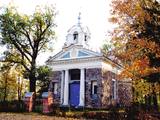 |
Kulnevskaya (Ilzeskalns) Orthodox Church was built in 1832 by Kulnevs, the landlord of Ilzenberg
(Ilzeskalns) manor house. He was also the brother of Jacob Kulnevs. The Church has an iconostasis with
icons of the 19th century. The rectangular building has semicircular niches at its sides. The members of Kulnevs
family are buried here. The place of tomb is a rare phenomenon in Orthodox churches of Latvia.
|
|
 |
Atrodas Tirdzniecības kanāla dienvidu krastā, kas padomju laikā bija slēgta zona ar pierobežas režīma statusu. Tagad lieliska pastaigu vieta, kur var vērot kuģīšus un jahtas. Promenādes visā garumā izvietojušies vēsturiskie spīķeri. Šeit meklējami krodziņi, viesnīcas, mūzikas klubs, mākslas galerija un Dzintara pulkstenis. |
|
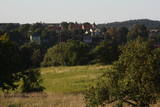 |
The hill is the highest point on the shores of the little Slocene River valley, and it is located in Tukums, at the side of Jelgavas Street. It opens up a broad view of the Slocene River valley and the town of Tukums with its historical centre on the opposite side of the valley. The view is particularly interesting in the evening, when the town is lit up. There is a monument to the liberators of Tukums.
|
|
 |
Truly delicious apple juice. Organic farm of apple and sea buckthorn. Visitors can view farms, gardens, production facilities and equipment, as well as taste and buy juices. |
|
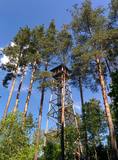 |
Uzcelts apkaimes augstākajā vietā – Ančupānu meža kalnā, kuru vietējie dēvē par „Bāku”. No 26 m augstā torņa redzama ļoti plaša panorāma ar Rēzeknes pilsētas namiem, baznīcu torņiem un apkaimes mežu masīviem, kas mijas ar lauksaimniecībā izmantojamām zemēm. Blakus tornim – atpūtas vieta. |
|
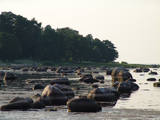 |
Back when the Baltic Sea was part of the ancient Littorina Sea, the coastline emerged as a small and shallow shore that was formed 4,500 to 5,000 years ago. The coastline has little rocks and gravel that have preserved typical examples of fauna from the Littorina Sea. The ancient cliff is best seen at the Dobeļi homestead in Kaltene. This is one of a few parts of the shore of the Bay of Rīga where there was an abrasion coastline during the era of the Littorina Sea. The shallow bay is popular among birds which feed and rest here during migrations. (Source: Roja TIC) |
|
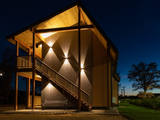 |
Bestes Apartments is a new guest house that can accommodate 45 guests at a time (+ 10 extra beds). The guest house was built and designed in the Latvian style (a wooden building made here in Mūrmuiža), beds made in Latvia, bed linen made in Latvia were used. |
|
 |
Kadarbiku estate is located in Harju, in the municipality Saue, in the village Tula (Tuula). Agriculture started to work here in 1989, while the family company Kadarbiku Köögivili OÜ was established in 2004. Kadarbik farms specializes in growing and processing vegetables. The farm uses 500 hectares of land, which grows carrots, cabbage, beets and various summer crops. They also make juices and smoothies. |
|
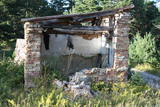 |
A coast guard facility was located near the village of Užava during Soviet times. There is a lack of information about the use of the facility at this time.
|
|


