
| No | Name | Description |
|---|---|---|
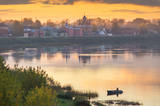 |
Krustpils was first recorded in documents in 1237 in relation to the construction of the Kreutzburg castle on the right bank of the Daugava River. A 1511 document lists it as a village. In 1585, Polish King Stefan Báthory gifted the town to Nicholas Korff, whose family continued to own it until 1920. Battles between Swedish and Polish forces occurred outside of Krustpils in 1626, and the sacked village was in poor shape until the mid-19th century. Jēkabpils, in turn, was constructed as a settlement for Old Believers who were persecuted in Russia. The Daugava has rapids opposite Krustpils and Jēkabpils, which means that boats had to dock there and reload their goods into wagons. The settlement flourished, and in 1670 it was given the rights of a city. It is named after Duke Jacob. When the Rīga-Daugavpils rail line opened in 1861, Krustpils flourished, and Jēkabpils did not flourish. The two cities were administratively merged in 1962, keeping the name of Jēkabpils. There are typical one-story wooden buildings from the 19th century, red brick buildings built at the turn of the 20th century, as well as seven churches used by different denominations. The dam along the left bank of the Daugava was built in 1861, and it was aimed at protecting the city against flooding. Today it is a promenade that is popular among local residents for strolling and leisure. |
|
 |
„Zaļmuiža” (Green Manor) is notable because of its legendary past. The protector of peasants and poet Peter
Miglinīks (1850 – 1883) worked there as a clerk in the beginning of the 19th century. In 1784, the building belonged
to Frederick von Korf. The manor was bought by officer of Russian army Nikolaj Paulin von Rosenschild. Once
the manor had a large farm (800 ha): several cattle-sheds, fruit and wine cellars, alcohol brewery. Now there in
only a manor house and a barn. Till 1960s, the manor house was the centre of kolkhoz „Liesma”, later the club.
Now there is a smithy of a craftsman Jānis Ļubka. Guests are welcome to watch and try the metal processing.
|
|
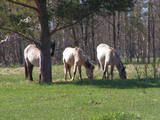 |
Für den Zweck der Bewirtschaftung der Niederungsauen des Pape-Sees und der Vermehrung der biologischen Vielfalt sind hier Konik-Wildpferde angesiedelt wurden. Die kann man mit einem örtlichen Guide kennenlernen. |
|
 |
In Kännu Alpaca Farm you can see Peruvian alpacas, mammals with beautiful, soft coat which they are known for. While in this farm you can feed alpacas with food provided by the owners and pet them. You can also see goats, sheeps, rabbits and chickens. In the farm shop you can buy souvenirs and also products that are made of alpaca wool. Kännu Alpaca Farm is also suitable for family visits. |
|
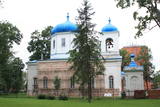 |
Atrodas pilsētas centrā, Atbrīvošanas alejā 98. Dievnamu sāka celt 1840. g. (iesvētīja 1846. g.) un tas uzskatāms par pilsētas vecāko sakrālo būvi. Nekvalitatīvu būvniecības materiālu izmantošana un cēlāju pieredzes trūkums bija iemesls, kādēļ 1854. g. to nācās pārbūvēt. Pie baznīcas atrodas 1867. g. būvēta Sv. A. Ņevska kapliča, kas veltīta cara Aleksandra II paglābšanās faktam vilciena katastrofā un stikla mauzolejs, kurā apbedīts baznīcas mecenāts ģenerālis Karaulovs (šobrīd tiek restaurēts). Dievnams ir atvērts arī apmeklētājiem. |
|
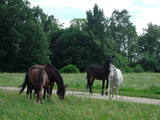 |
It is possible to look at different animals at the farm – horses, goats, rabbits, dogs, cats and marmots. It is possible to participate in farming tasks and try out farm instruments, to learn the steps of ancient dances, to walk along the animal paths and to taste pancakes baked on the open fire with goat cheese. You can also buy sauna accessories or herbal teas. |
|
 |
Established in 1992, the Mežacīruļi farm is in the Zaļenieki Parish of the Jelgava Administrative District, alongside the basin of the Lielupe River. The farm initially had 7.2 ha of land, 3 cows, 20 head of sheep and 6 sows. Today it has 700 ha of land, 300 dairy cows, and a series of hothouses to grow lettuce and herbs. |
|
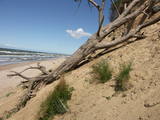 |
Ancient legends say that ship sank in the sea near the old cemetery during a storm and during a worship service. The pastor and members of the congregation volunteered to use a rowboat to save the crew of the ship. Some of the men were rescued, while others were washed ashore. In honour of this tragic, but also happy solution, the captain called the place Feliksberga, or the Lucky Shore. Later it became known as Pilsberga, and it was renamed Jūrkalne only in 1925. |
|
 |
SPURA iznomā SUP dēļus, organizē privātus, korporatīvus pasākumus un dažādus SUP piedzīvojumus Rojas un Irbes upē, kā arī citās ūdenstilpnēs (plašāka informācija par piedzīvojumiem atrodama www.spura.lv). SPURAS SUP dēļi piemēroti gariem pārbraucieniem, jogai, fitnesam, sportam, sacensībām un atpūtai, - tie piemēroti gan pieaugušajiem, gan bērniem. Nodrošinām ar visu nepieciešamo supošanas inventāru līdz 40 personām, nogādāsim līdz supošanas vietai, piedāvājam izstrādātus SUP maršrutus un piedzīvojumus, organizējam ūdens un citas sporta aktivitātes. Pieejama kajaku noma (vienvietīgi un 2+1vietīgi) laivošanai pa Rojas upi, to transportēšana Rojas upes apkārtnē. Iespējams iznomāt kajaku līdzņemšanai un doties uz sev izvēlētu ūdenstilpni. Iznomājam ūdens velosipēdu (katamarānu) braucienam pa Rojas upi un airu laivas. Pieejama hidrotērpu noma. |
|
 |
The Jūrkalne Air Defence Division facility is privately owned at this time. A motor racing track has been installed there.
|
|
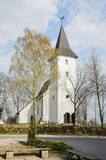 |
The Priekule Lutheran Church was built around 1680 and rebuilt a century later, in 1892. In 2005, the church tower was improved, and visitors to the church can now use it as a viewing platform. They can see the place where Icarus of Priekule supposedly made his first “flight.” |
|
 |
Atrodas 1905. gada ielā 6. Sinagoga tika celta 1875. g. – Krievijas cara Aleksandra II valdīšanas laikā. Pēc 2. pasaules kara tajā atradās graudu noliktava, kinoteātris, kafejnīca un visbeidzot – naktsklubs. No 2003. gada to vairs neizmantoja. Pirms gada tika pabeigts vērienīgs projekts - sinagogas un lūgšanu nama atjaunošana, kurā izveidots sabiedrībai pieejams kultūras un informācijas centrs un pārcelta Kuldīgas novada bibliotēka. |
|
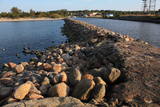 |
Molu (sākotnēji – pāļu rindas ar akmeņu krāvumiem) izbūve pie Sakas ietekas jūrā tika uzsākta 1878. gadā, lai nodrošinātu ostas darbību. 1929. gadā notiek molu pārbūve, pagarinot tos ar masīviem betona blokiem. Pēdējā rekonstrukcija notika 2010. gadā, pārveidojot molus par ērtu pastaigu un makšķerēšanas vietu, no kuras var vērot arī saulrietu. |
|
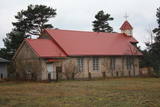 |
Atrodas ciema ziemeļdaļā. Neliela vienstāvu ēka ar svaigi nomainītu jumtu. Pēc vieniem avotiem celta 1883. gadā, citiem – pamatakmens ielikts 1933. g. 1. maijā. Tā tapusi pēc vietējo iedzīvotāju ziedojumiem uz Pirču māju zemes (saimnieks zemi atdevis dievnama celtniecībai). Baznīcas iekārta 2. pasaules kara laikā gāja bojā, tādēļ mūsdienās redzamā ir tapusi 20. gs. otrajā pusē. |
|
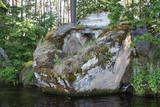 |
These are the ruins of World War II fortifications near what is now the Ķegums hydroelectric power plant. One blockhouse was found on the left bank of the Daugava River, approximately one kilometre to the South-Southeast from the plant’s dam. A second is also on the left bank of the river, opposite the Rēzijas campground. It has slid down the abraded shore of the reservoir and is partly underwater. It is mostly accessible by boat.
|
|
|
|
Near the Priedīši homestead, there is a nature trail which allows visitors to study Lake Dziļezers and the surroundings. There are various lakes in this region which are found in a depression left behind by the Ice Age – Lake Dziļezers, Lake Riebezers, Lake Mazezers, Lake Auziņš, Lake Skuja and Lake Bruņķītis are all there. Along their shores, there are various kinds of forests, including ones with broadleaf trees that are under environmental protection. The trail is 3km in length and will take an hour or so to traverse. This is a part of the environmentally restricted territory of Lake Dziļezers and Lake Riebezers.
|
|
 |
This homestead on the banks of the Rauna River breeds various kinds of fish. During the winter, you can fish for various salmon-type fish, and in the summer you can fish for sturgeon, blue-char, tilapia and trout. You can purchase fish, and tastings are available for groups of visitors. Sillakas is approximately 3 km from Liepasmuiža. |
|
 |
The Krimulda Castle was built in the latter half of the 13th century. It was located where the right bank of the ancient Gauja River valley is split by the deep Vikmeste ravine. The castle was owned by the council of archbishops from Rīga, and it was an impressive structure with a large interior courtyard and a defensive wall that was 1.5 m thick. The Swedish military blew up the castle when retreating in 1601. Today the castle hill is forested, and only a small fragment of the castle wall can still be seen. It is near the ruins that you will find the Sigulda aerial tram and the Krimulda serpentine road – the only object of its kind in the Baltic States. |
|
 4 days
|
This is for birders who can’t afford to take longer breaks to enjoy birdwatching. Short but rewarding trip during spring migration. Cape Kolka is a place where pass the largest numbers of migrating birds in the spring time. More than several tenth of thousand birds cross the Cape each hour. During active period of migration it is possible to see more than 100 different species daily just at this one place. There are several birdwaching places located at different biotops – seaside meadows, sea cost and lakes and wetlands. Kemeri National Park is one of the best places for woodepecker watching. In a short period of time it is possible to see about seven species. |
|
|
|
At the Žīguri Parish kindergarten, guests are offers a guided tour of forest life. The owner’s stories about the forest and its residents will be of interest to everyone. The Anna Āze Forestry Museum offers some of the true treasures of Latvia’s surprising forest world. It has been declared the best destination for families in Latvia.
|
|


