
| No | Name | Description |
|---|---|---|
 |
Atrodas galvenās Kuldīgas gājēju ielas malā. Sadarbojas ar vietējiem zemniekiem un piedavā Kurzemes novadam raksturīgus ēdienus, kā arī ēdienus no dažādu pasaules valstu receptēm. |
|
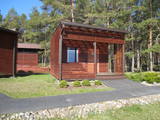 |
The campsite is located 77 km from Riga, surrounded by beautiful forest and sea. The range of offers is wide - beach volleyball court, basketball court, windsurfing, table tennis and more. There are tent sites as well as double or quadruple camping houses. There are facilities for people with reduced mobility. The campsite is open from 1 May until 31 October. Large WC and shower room (shared). |
|
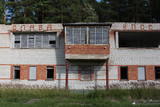 |
The firing range at Skujnieki was once used for summer sports, as well as training in the use of firearms. The Defence Ministry still uses the facility from time to time. The central building of the facility was built in 1982, and its façade is decorated with text in the Russian language: “Слава КПСС” (“All Honour to the Soviet Communist Party).
|
|
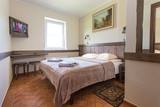 |
Viesu nams "Igne" ir vieta, kur palikt uz vienu nakti vai apmesties uz ilgāku laiku. Tā atrodas netālu Druskininkai Jaskoniai ciematā, tikai 4 km attālumā no pilsētas centra, taču tā ir klusa vieta prom no pilsētas burzma. Iespēja uzņemt līdz 50 cilvēkiem istabās ar labierīcībām. Apmeklētāju ērtībai augstas klases restorāns "Romnesa", omulīga sauna, bezmaksas autostāvvieta un bezvadu internets. Piemērota vieta konferencēm, semināriem, privātiem un korporatīviem pasākumiem. Tiek piedāvātas izglītojošas meistarklases šakotis gatavošanā, Šakotis muzeja apskate. |
|
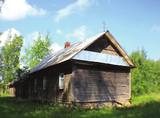 |
Paramonovas Old-Believer Preaching House was built in
1882.
|
|
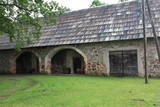 |
The road leading to this estate is reminiscent of a narrow mountain road with a deep river valley alongside it. The estate used to be known as the Libe Estate, and the buildings that are seen there now belonged to a nobleman, Magnuss. The mansion has a Neo-Gothic glass tower which is known as an architectural curio among specialists. The Sarkaņi Parish Council sits in the mansion. The granary is the work of a local enthusiast, Andris Trečaks, who has collected a series of ancient objects. Outside the granary is a very broad view of the “lower” Lubāna flatlands, resembling a painting with an empty frame. |
|
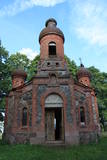 |
Dievnamu (atrodas Skujenes – Vecpiebalgas ceļa malā) 1872. g. cēla pirmais izglītotais latviešu arhitekts Jānis Frīdrihs Baumanis (1834. – 1891.), kas ir vairāku pazīstamu celtņu – J. Vītola Mūzikas akadēmijas, Rīgas cirka, Valsts bankas u.c. ēku projekta autors. Padomju laikā Māļu baznīcā atradās tukšās taras pieņemšanas punkts, bet mūsdienās – saglabājies tikai ēkas ārējais veidols. Baznīca apskatāma arī no iekšpuses. |
|
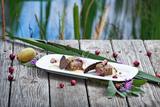 |
Located in the centre of Dikļi, the 1896 castle was renovated into a four-star hotel in 2003. The castle offers a look at antique furnishings, fireplaces and ovens, as well as paintings by Latvian artists. Two restaurants (summer and winter) offer fine dining and an individualised approach. The castle works with local farms. Latvian cuisine: Beefsteak, grilled trout, smoked wild board bacon, filet of pike from Lake Burtnieki, seasonal mushrooms and berries. Special foods: Venison chop, candied fruit in syrup, onion marmalade. |
|
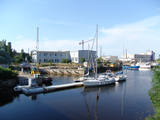 |
It is said that Krišjānis Valdemārs began to dream about a port at this location when he was a child, but a so-called protective port was only established in Roja in the early 20th century, with a protective dam 500 metres from the shore that was 213 m long. The dam gradually disappeared, and the port was shut down in 1933. Work on straightening the Roja River began in the 1930s, using a French machine to create berms and build rock dams and pile-based breakwaters that were subsequently extended several times. In 1932, fishermen built a 107 m breakwater. Reconstruction of the breakwaters was completed in 1972. The fishing kolkhoz Banga used to be active here, merging shoreline fishermen’s homesteads. (Source: Roja TIC) |
|
 |
The café is in the centre of Lizums and offers local foods. The interior design is based on Latvian ornaments. Latvian cuisine: Cold soup, dumpling soup, hunter’s sausages. |
|
 |
Atrodas Tērvetē, Dobeles – Elejas ceļa malā, 0,2 km dienvidrietumos no Tērvetes pilskalna. Ar mežu apaugušais paugurs ir sena apmetnes vieta, kas bijusi apdzīvota jau 1. g.t. pr. Kr. Teika stāsta, ka kalnā bijis klosteris, kura mūki pēc klusēšanas pārkāpuma saulgriežu laikā kopā ar visu celtni nogrimuši kalna dzīlēs. |
|
 |
This garden has several times been declared to be Latvia's most outstanding exemplary decorative garden. The owners offer tours and advice on gardening. |
|
 |
The pub Raudnaela is located near Pärnu-Tartu highway, in the place of the former Raudna inn (1700), 15 minutes’ drive from Viljandi. Guests can enjoy delicious home-made dishes, as well as a themed dinner. |
|
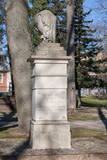 |
In 1877, Baron August von Pistohlkors, celebrating the merits of his ancestors in the foundation and development of Neibāde, ordered a monument to be erected in the park. After World War I, in the early 1930s, the monument was accidentally found during the cleaning of the bed of the River Ķīšupe. The monument was renovated by the Neibāde Aid and Improvement Society and officially reopened in 1933. The monument also suffered damage after World War II. Now the monument is restored and located in the park of the open-air stage. |
|
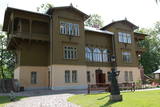 |
On the banks of the Venta River is a treasure of wooden architecture – the so-called Bangerts Villa, which relates to romantic stories and legends and was recently restored. It is said that a man known as Captain Bangerts bought the villa as a gift to present to his Parisian bride. The Kuldīga Administrative District Museum has been in the building since 1940. Since reconstruction, unique wall paintings and other interior design details have been restored, and the flat of the Bangerts family allows people to see how wealthy residents of the city lived in the early 20th century. Also on display are some of the sets of playing cards that have been collected by Jānis Mētra. |
|
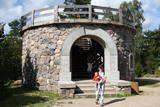 |
This arboretum park is in a lovely place – the Blue Hills of Ogre, where there is a tower with a good view of the Daugava River Valley. The landscape is enlivened by a pond and its streams. There are beautiful hiking trails throughout the park.
Unique species: The Amur Cork Tree (Phellodendron amurense) and the Field Elm (Ulmus minor), among others.
|
|
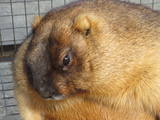 |
A friendly place for families, children and all interested parties. You can go on a tour or individually look at and learn about marmosets. |
|
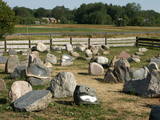 |
The craftsman produces gravestones, commemorative plaques and stone sculptures on the basis of orders from clients. He is prepared to tell you about a stonemason’s work and demonstrate his skills. |
|
 |
The café is alongside the Rēzekne castle hill and the “Zeimuļs” creative services centre of Eastern Latvia (built in September 2012). A lovely interior design and a look at historical objects form Rēzekne are part of the café. It is named after the Rositten fortress that was built here by the master of the Livonian Order in the 13th century. Meals are offered throughout the day, and various foods and baked goods are for sale. |
|
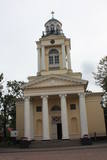 |
Lai arī dievnama pirmsākumi meklējami 18. gs. sākumā, tā celtniecību (arhitekts Johanns Eduards de Vite) pabeidza viena gada laikā 1834. – 1835. g. (vēlīnā klasicisma stils). Būvniecības darbus finansēja Krievijas cars. Gan baznīcas atrašanās piejūrā, gan arī tās nosaukums liecina, ka tā celta, godinot Svēto Nikolaju, kas ir visu jūrnieku un zvejnieku aizbildnis. Baznīca apskatāma arī no iekšpuses, kur uzmanība jāpievērš ērģelēm un altārgleznai (1888. g.). |
|


