
| No | Name | Description |
|---|---|---|
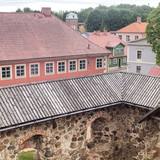 |
It is believed that at the Kezberkalnins of Limbazi has been Lemisele castle of Metsepole Liv district. It is also found in the reports that merchants travelled to this place from the sea by Svētupe and Dunezers until the 16th century. In 1223 Bishop Albert built a stone castle in Limbazi. Like Valmiera, Limbazi became the member of Hanseatic League. At the beginning of 16th century it economic role declined significantly since Svētupe and Dunezers became unusable for shipping. Between the 16th and 18th centuries, the town and its people suffered from wars, diseases and fires. As a result, the population reached its utmost fall - eight people. In the turn of 19th and 20th century and in the beginning of 20th century the economic life of the town was renewed. |
|
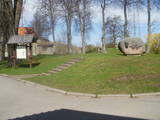 |
This site has a commemorative stone which speaks to Krišjānis Valdemārs’ achievements in the development of the Latvian state. This used to be the location of the Roja or Lubezere maritime school, and the home for teachers is still there. A private medical practice is in the building right now. The maritime school existed from 1873 to 1915 and was wrecked during World War I. The school trained helmsmen for short-distance trips. Tuition was free, and classes were taught in Latvian. Latvian sailors were known in Russia and abroad, including the Americas. They were respected for their serious approach to their work, their honesty and their loyalty. (Source: Roja TIC) |
|
 |
Vom 18. Jh wurde die Stadt ein russischer Marinestützpunkt. Von 1962 bis 1994 war Paldiski ein Übungszentrum für atomare U-Boote der Sowjetischen Marine mit zwei auf dem Festland befindlichen Kernreaktoren (ung. 16.000 Beschäftigte) und eine "geschlossene Stadt". |
|
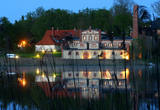 |
The renovated historic distillery at Mooste Manor (1909) is home to the Estonian Photo Tourism Centre. The guesthouse on the second floor of Mooste Distillery offers cosy rooms with all modern conveniences. |
|
 |
The Tado Ivanausko farm and apple orchard have a memorial museum that is in Ringaudosa in the Kaunas District. The memorial farm has a house in which the museum is located, a gardener's house, a poultry coop and a garden and park that cover approximately 4 ha. The name of the location is based on very floral and fertile apple trees. |
|
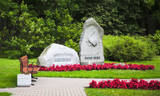 |
From the 6th century until the 8th century instead of the current Grobina the largest known Scandinavian trade and warrior colony in the Baltic States was located. Settlers from the inlands of Gotland and Sweden established their settlement at the hillock that was then located at the bank of the navigable Alande River. It is believed that the Cours Castle – Seeburg mentioned in the chronicles of the 9th century was located exactly here. After the loss of the order castle in the 13th century Grobina became the centre of the region. The most ancient construction of the city was formed around Lielā Street, as well as around Saules and Parka Streets. |
|
 |
The bakery is on the main pedestrian thoroughfare in town. It uses old recipes to bake wedding cakes and other baked goods. The bakery works with local producers of ingredients. Latvian cuisine: Cold soup, dumpling soup, hazelnut-loganberry and strawberry-rhubarb wedding cakes, pierogi, sheet cakes and other treats. |
|
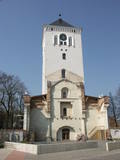 |
Work on a new church began in 1574 at the commission of Duke Gotthard Kettler of Courland and Zemgale. The steeple was installed between 1686 and 1688, and in 1862 its height was increased to 80.5 m. The church burned down because of Soviet bombardment on July 27, 1944, and in 1954 the Soviet military blew up its ruins. Reconstruction of the steeple began in 2009, and it now has an outstanding interactive museum that is particularly interesting for children, along with a glassed viewing platform. |
|
 |
Viena no pirmajām bioloģiskajām saimniecībām valstī. Pamatnozare - dārzeņkopība. 33 ha platībā tiek audzētas sojas pupiņas, cietes un pārtikas kartupeļi, burkāni, galda bietes un citi dārzeņi, kā arī griķi un sinepes. Uzsākta eļļas auga Idra audzēšana. Saimniecībā pamazām pāriet uz pākšaugu audzēšanu, izmantojot moderno tehniku. Iespēja iesaistīties visdažādākajos lauku darbos: sulu spiešanā, pupiņu šķirošanā un našķu gatavošanā. Iespēja apmīļot tādus mājdzīvniekus kā trušus, kazas u.c. Bioloģisko produktu iegāde. Vizināšanās ar laivu un makšķerēšana piemājas dīķī vai ezerā. Nakšņošanai viesiem tiek piedāvāta vieta teltīm pie Adulienas ezera. Iespējama nakšņošana svaigi pļautā sienā siena šķūnī vai siena gubā. |
|
 |
The craftswoman produces beautiful rag blankets, bags, as well as pillows with ranges and combinations of colours that are typical in Latgale. You will learn about the weaving techniques and be able to examine finished products. You can weave your own rag blanket and commission and purchase the products. |
|
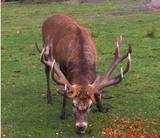 |
he wetland meadows that are around the Pededze River are the site of this 200 ha farm with some 350 red deer, other deer and wild boar. There are towers from which you can watch the graceful animals, and there are ponds for commercial fishing. Please contact the owner well in advance for a tour. |
|
 |
Established: 1959
60 coniferous and 350 deciduous trees
Brief description: Between the Tukums-Kolka road, the Lāčupīte stream and the sea, Igors Mednis has planted a series of foreign trees and shrubs. He has conducted experiments to see how different foreign plants adapt to different conditions. The best time to visit is in May and June, when the rhododendrons are in bloom.
|
|
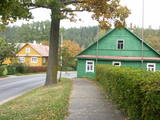 |
Palūšē atrodas nacionālā parka administrācija (izveidota neliela ekspozīcija) un tūrisma informācijas centrs, kempings, nesen atjaunotā laivu bāze un viens no biežāk apmeklētajiem parka objektiem – Palūšes baznīca (Palūšės bažnyčia), kas celta 1757. gadā. 2008. g. No dievnama apkārtnes paveras jauks skats uz Lūšu (Lūšiai) ezeru, īpaši saulrietos, kad baznīca iegūst teiksmainu nokrāsu. Blakus baznīcas žogam aug vecais Palūšes ozols. Uzskata, ka tā vecums varētu būt ~ 350 – 400 gadi. |
|
 |
The tavern and pastry shop is located near the Vidzeme highway, by the natural trails of Cecīļi and Ieriķi. Tourist Information Centre is also nearby. We offer traditional dishes and our specialities |
|
 |
You can go fishing on Lake Usma and then the lady of the house will cook tasty fish soup and smoked fish from what you catch. You can rent a boat, take part in fishing and casting of nets (in the winter, too), or take a cutter trip on the lake. You can also taste canned smoked bream and go horseback riding. |
|
|
|
In 2006, a wooden pathway was installed across the Planči swamp – 500m long, which means that the visitor will spend around 20 minutes there. This is probably the only nature trail in Latvia for which there are plans to post information in Braille for people with impaired vision.
|
|
 3 days
|
This tour takes you to beautiful gardens in Latvia and Lithuania. Poems are dedicated to trees in the garden surrounding the memorial house of Edvarts Virza, a Latvian poet and writer who wrote a legendary novel about the lives of Latvian farmers. Strūbergu decorative garden offers a garden excursion and consultations in gardening. At Brukna manor you will see a vegetable garden that is arranged as a Renaissance park, a rose garden and a vineyard. The beautiful 18th century Mazmežotne castle is renovated by a grain farmer’s family. The Rundāle castle is known as Latvia’s true jewel of Baroque and Rococo architecture featuring also a rose garden with over 2200 varieties of roses. At Blankenfelde manor you will see a collection of bells and will enjoy natural juices, syrups and pickles produced in-house. Visiting Mint House you will taste mint tea, biscuits, honey with peppermint and peppermint syrups. Next stop is at the vegetable and herb farm “Droši vesels” producing herbal ointments. In Lithuania you will visit Žagarė, known for its cherry orchard-park and the special species of cherry – the ‘Žagarvyšnė’, on the National List of Plant Varieties. Stop by Žagarė Manor Park, containing more than 100 species of trees and shrubs. Back in Latvia you can have a picnic at Vilki arboretum showing about 1000 different plants - both typical of the landscape of Latvia and quite unique. At Zaļenieki tree nursery, you can walk in the garden with over 2000 trees and shrubs. Further you will enjoy the beauty of peonia in the collection garden by Andris Berkins. Amatnieki homestead offers tours of their tulip garden. Klūgu landscape garden is famous for begonias. Institute of horticulture in Dobele owns a collection of over 200 types and forms of lilac plants. ''The beautiful and practical idea garden'' is proud of its collection of conifers, and the hosts offer tastings of herbal spice powders, dried berries and fruit. “Rūķīšu tea” is one of the largest farms for medicinal plants in Latvia (purple coneflowers, marigolds, chamomile, etc). And finally, visit Liepas tree nursery specialised in cultivation of fruit-trees, berry bushes and roses. |
|
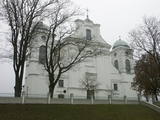 |
Dagda is mentioned in the historical sources of 17th century as a trader village. In 1772, Dagda district was included the Pskov province, but in 1802 - Vitebsk province. In 1905 widespread peasant unrest took place here, during which many important architectural monuments were destroyed. Town was not spared also by the two world wars. What's to see for the tourist here? In the centre of Dagda historical buildings - houses, built of red brick - the so-called "Jewish tradesmen houses" are preserved. Dagda is the only place in the Latvia, where every year is celebrated Anne's Day in the town's park! |
|
 |
Produktu izgatavošana no ārstniecības augiem - tējas, sīrupi, augu pulveri, ziedes. Pakalpojumu piedāvājums - ekskursijas, radošās darbnīcas, meistarklases, pirts. |
|
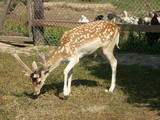 |
The owner will give you a tour during which you will see African ostriches, fallow dear, the Soay breed of sheep, exotic birds and fowl. You can establish contacts with the animals and purchase souvenirs. |
|


