
| No | Name | Description |
|---|---|---|
 |
Evidence found at Dievukalns tells that Baltic tribes lived at this place 3,000 years ago the, but in 7th and 9th here at the Daugava Livs tribes settled. Bishop of Riga built stone castle at the bank of the river Daugava (first mentioned in the 1229), whose ruins you can see today as well. Lielvarde is an inspiration for such people of cultural awakening time as Andrejs Pumpurs (1841-1902) and Auseklis (1850-1879). During World War I (almost three years Daugava served as front line) Lielvarde was completely destroyed. After the World War II, here, as well as elsewhere in the Latvian territory, begins the establishment of collective farms. During this time Lielvarde became known for another symbol - "Lacplesa" beer. Today Lielvarde is a favourite of travellers, who have chosen to make their route along the right bank of the Daugava. |
|
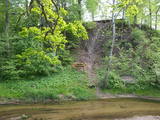 |
The Vilce Nature Park is small in size and exists alongside the deep valleys of the Vilce River and its tributaries. Biotopes include visible sandstone cliffs, rapids on the rivers, forests typical of such areas, and the plants and animals that are found therein. The well-appointed Vilce castle hill is next to the Zaķu meadow, which is a nicely appointed and popular place for recreation. |
|
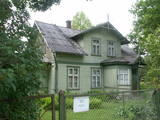 |
The Miervaldis Ķemers Museum (Durbes
street 21) is dedicated to a well known cultural
worker in Latvia (19021980) who was also a
clergyman and a painter.
|
|
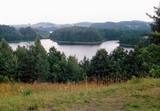 |
Vermutlich ein heidnischer Hügel. Schöner Blick auf die 6 Seenlandschaften. Ein Symbol vom Nationalpark. |
|
 |
This farm offers education about animals who live there, how they are bred and what the origins of their breeds are. You can gather eggs, learn to sit on a saddle and ride horses. The farm has Aberdeen Angus cattle, alpacas, various birds, horses, ponies, rabbits and goats. |
|
 1 day
|
The smoke sauna is an important part of everyday life in the Võru community in Estonia. It is the centre of a rich set of traditions including the actual bathing customs, the skills of making bathing whisks, building and repairing saunas, and smoking meat in the sauna. The sauna is a building or room heated by a stove covered with stones and with an elevated platform for sitting or lying. It has no chimney, and the smoke from the burning wood circulates in the room. People usually go into the sauna together and remain until they are sweating. Water is thrown on the heated stones to produce hot steam-laden air and bathers beat their bodies with whisks to remove dead skin and stimulate blood circulation. After sweating, whisking, relaxing and possible healing procedures, people cool themselves outside and rinse their bodies with water. The procedure is then repeated. The smoke sauna tradition is primarily a family custom, usually practised on Saturdays, but also before major festivals or family events. Its main function is to relax the body and mind. Families take turns hosting each other. Usually an older family member is responsible for preparing the sauna, accompanied by the children who gradually acquire the necessary skills. The smoke sauna tradition is part of the UNESCO Representative List of the Intangible Cultural Heritage of Humanity. |
|
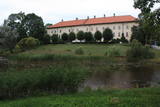 |
One of the largest castles in Kurzeme, this building has been preserved in fairly good shape. Work on its began in the mid-13th century, and it was commissioned by the heads of the Dome Cathedral in Rīga. In 1434, the estate was bought by the bishop of Kurzeme. The Maidel and Osten-Sacken dynasties owned it from the 16th to the 20th century. The Dundaga Castle burned down twice and has been rebuilt many times. The last reconstruction was in 1905, after the castle was burned down during the revolution. Of interest on both sides of the castle’s door are stone carvings of a knight and a bishop. In recent years, the hotel in the castle has been renovated, as has the second floor hallway and a terrace that is popular for weddings. There are many legends about the castle, including one about a wedding of elves and another about the Green Lady. Today the building houses the Dundaga School of Music and Art, a hotel, party rooms, the Dundaga Tourism Information Centre and various exhibitions. It is worth finding a guide to tour the castle. Groups of tourists can also order tastings of local foods. |
|
 |
The saloon is on the Rīga-Liepāja highway (A9) at the 72nd km road marker. Live music evenings are organised. Latvian cuisine: Vidzeme salad, herring with cottage cheese and soured cream, grey peas with bacon, sautéed cabbage with sausages, cabbage rolls, potato pancakes, bread soup, stacked rye bread. Special foods: “4 vēji” – pork with sauerkraut and potatoes on a hot pan. |
|
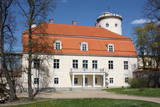 |
The New Cēsis Castle (Pils Square 9) was built in 1777 as a residence for Karl Eberhard von Zievers, and it is home to the Cēsis Museum of History and Art, which was opened in 1949. The building has a neo-Gothic tower decorated with curved arcades and window apertures. It is one of the first examples of eclecticism in Latvian architecture. Beginning in 2012, the museum will feature a modern exhibition under the title "Latvia: Symbol of Latvian History." This will be an interactive exhibition featuring the history of Cēsis and its environs since the era of the Vendians and up to the early 20th century. There will be sections on the history of the Latvian flag, the lives of the Zievers dynasty, and the family's great contributions toward the development of Cēsis. The third and fourth floors of the castle are dedicated to temporary exhibitions, and there is a special room there for families and children. The tower of the castle offers the best view of the Cēsis Castle ruins, the old town, and St John's Lutheran church. |
|
 |
MIGLA ir mazā alus darītava, tas ir sens saimnieka sapnis, kurš realizējies, spēkus apvienojot kopā ar jaunāko meitu. Alus garšu meklēšanā, receptūru izstrādē, kā arī novērtēšanā piedalās visa ģimene, kur īpašas alus someljē īpašības piemīt vecākajai meitai. Apvienojot visas ģimenes stiprās puses - darītāju, runātāju un garšu pazinēju un dizaina ekspertu, tapis MIGLAS alus, kas šobrīd piedzīvo savus pirmos soļus alus pasaulē un cer iepriecināt ne vienu vien alus baudītāju! Lielu daļu alus darīšanas tiek veikta ar rokām, svērti un malti graudi, rēķināts ideālais apiņu un graudu daudzums, tiek liets, pārliets un skalots. Darītava laprāt uzņem viesus degustācijām, kurās piedāvā ne tikai nogaršot alu, bet arī cienā ar pašceptu maizi un cepumiem, kā arī iepazīstina ar alus darīšanas procesu un vēsturisko Uzvaras Līdumu, kurā atrodas alus darītava. Mazais brūzis atrodas vienviet ar Ķiploku pasauli - otru ģimenes aizraušanos, tāpēc uzreiz var apskatīt divas saimniecības. |
|
 |
Tērvetes vīni ir ģimenes vīna darītava Tērvetē. Ražojam vīnu no pašu audzētām ogām un augļiem – avenēm, āboliem, ķiršiem, ērkšķogām, upenēm, cidonijām un no “īpašā dārzeņa” – rabarbera! 2019. gadā esam uzsākuši arī sava vīnogu dārza veidošanu un plānojam piedāvāt saviem viesiem vīnogu vīnu. Mēs - Dace un Sandris Laizāni, Tērvetes vīnu saimnieki esam kaislīgi “vīna mīļi” un šo mīlestību pret vīnu vēlamies nodot arī mūsu viesiem! Jums piedāvājam vīna darītavas apskati un vīnu degustāciju ar omulīgām sarunām par vīna tapšanu jaukā lauku ainavā Tērvetes upes krastā. Atkarībā no sezonas piedāvājam dažādu augļu un ogu vīnu, dzirkstošo vīnu un brendiju degustāciju. Saimniece Dace arī palutinās Jūs ar nelielām uzkodām - mājās ceptu maizi un pašas sietu sieru. |
|
 |
“Amatnieku namiņš” ir saimnieces izlolota sirds lieta, jeb vieta, kur vienkopus atrodami daudz un dažādi vietējo un apkārtnes novadu amatnieku un mājražotāju darinājumi. Tējas, garšvielas, ievārījumi, dažādi smēriņi, adījumi, kokdarbi, pinumi, ziedi un ziedu kārbas, sveces, krūzes un daudz kas cits ir atrodams tieši “Amatnieku namiņā”. |
|
 6 days
|
The tour introduces a variety of attractions and values outside big cities revealing the true character of the countries. Visitors will experience the beauty of nature in national parks, charming ambience of rural manors, visit traditional rural farms and skilful traditional artisans and craftsmen. |
|
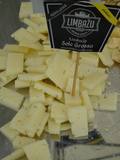 |
The Limbažu Cheese factory has more than 90 years of experience with dairy processing. It only uses milk from local farmers in Vidzeme, while the dairy processing technologies have been brought in from Switzerland. Limbažu Cheese exports 95% of its output. Alongside the company and on the other side of the street from the ruins of the Limbaži castle is a little store where the company’s products can be bought. |
|
 |
This cosy restaurant offers dishes made of Lithuanian ingredients. Enjoy a collection of ancient culinary tools and baking equipment. If you wish to bake your own traditional spit cake, you can take a class to learn how to do that. |
|
 |
You can visit a restored little wooden building to watch and take part in the process of weaving. Natural materials are used to produce lovely souvenirs and useful household products. There are nine looms, and you will hear information about weaving as such. The workshop produces woven scarves which are coloured with natural dyes. |
|
|
|
Atrodas Ostas ielas rietumu galā. No laukakmeņiem veltīto kompozīciju uzstādīja 1938. g. (idejas autors – bijušais Ventspils ostas kapteinis V. Ābelnieks) un tā ir piemiņa visiem zvejniekiem un jūrniekiem, kuriem atdusas vieta ir jūras dzelme. |
|
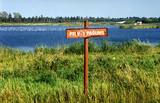 |
A restricted area with a set of artificial ponds to the South-west of Saldus. The ponds attract many different kinds of birds during nesting and migration season. The location has not been improved for tourist purposes, but it is still an interesting place for some bird-watching. The forests around the ponds are also home to many protected birds and species of bat. |
|
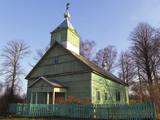 |
Guriliški Old-Believers Prayer House was built in the beginning
of the 20th century. It has a very old bell that was made in 1939.
|
|
 |
Alūksnes novada saimniecībā "Pauguri" kokamatnieks Jānis Vīksne izgatavo koka virpojumus - cibiņas, pulksteņus, pildspalvas, spēles, šūpoles un citas saimniecībā noderīgas lietas. Iespējams iegādāties kokamatniecības suvenīrus - dekoratīvus un praktiskus virpojumus no koka. Senlietu muzeja apskate - seni galdniecības darba galdi, ēveles, āmuri, sirpji, grābekļi, sējmašīna, pulksteņi, trauki u.c. Saimniecībā ir izveidota skatu platforma, no kuras paveras skats uz Hānjas augstienes ainavām Igaunijā, kā arī atpūtas vieta vasaras piknikam ar galdu, uguskura vietu un skulptūrām. |
|


