
| No | Name | Description |
|---|---|---|
 |
Zemnieku saimniecība „Virši” audzē kaņepju sēklas, no kurām tiek iegūta kaņepju eļļa un kaņepju staks (apceptas, maltas kaņepes). ZS "Virši" produkciju ir iespējams degustēt dažādās vietās ārpus saimniecības, kā, piemēram, Kalnciema tirdziņā u.c. |
|
|
|
Līdz 40m augsta ar mežu apaugusi Gaujas labā pamatkrasta nogāze ar vairākiem smilšakmens atsegumiem. Viens no tiem atrodas nogāzes lejasdaļā un veido 7m platu 5m dziļu nišu. Otrā krastā – vairākus metrus augstais Leimaņu iezis. Abi atsegumi atrodas aiz Amatas ietekas.
|
|
 |
Prepares dishes from local Latvian products. The menus are changed every season, meaning that the guests can enjoy seasonal dishes. The 360-degree glazed terrace offers a picturesque view of Rose Square, in the heart of Cēsis City. |
|
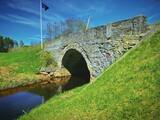 |
Takas sākums atrodas Vidagā, vietā, kur uz Vizlas celts vēsturiskais akmens arkas tilts. 1,2 km garā taka bez marķējuma ved gar pašu upes krastu līdz pat ietekai Gaujā. Redzami skaisti dolomīta atsegumi, nelieli krāčveidīgi ūdenskritumi un iespaidīgais Žākļu dižakmens. |
|
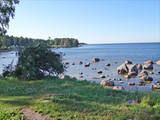 |
In 1804 Käsmu founded the first Estonian naval school and from 1798 – 1920 built more than 40 ships. Now there is a museum about seafaring. |
|
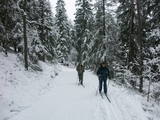 |
The nature park near the town of Ogre is a popular place for leisure, hiking and, in the winter, cross-country skiing. Most of the park is covered with coniferous trees that are on a long and comparatively narrow line of hillocks with steep sides – another element of nature left behind in Latvia by the Ice Age. Many different plants can be found here. The Jaunogres castle hill is one of the most distinct hillocks in the area. |
|
 |
Mud ponds for regeneration are used by
the spa and the rehabilitation centre. The mud
is purified from biological additives over the
course of a longer period of time, after which it
can once again be used for the famous
treatments offered at Ķemeri.
|
|
 |
A popular café, located in the centre of Sigulda, just opposite the railway station, that offers breakfast, salad, snacks and main courses. Natural and truly delicious pastries, cakes and culinary products. |
|
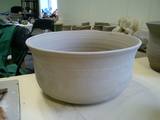 |
This crafts centre is located at the former Svēte Estate, and it organises creative workshops. You can purchase ready-made or commission original ceramic ware. |
|
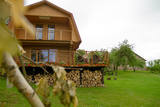 |
The guest house is located in Odziena, Vietalva Parish, Plavinas Region. The house has 5 bedrooms, guests can enjoy a sauna, a pool and a swim in the pond, as well as fishing. There is a large surrounding area for organizing activities and other classes - the guest house is suitable for both relaxation and celebrations. |
|
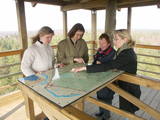 |
This hill in the Tīreļpurvs swamp is an historical object of national importance – the only area in Latvia that is restricted for cultural and historical purposes. There is unique evidence here of World War I fortifications and the so-called Christmas Battle that was fought here.
|
|
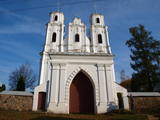 |
Located on the right bank of the Daugava, the church can be seen from various parts of Piedruja. The first wooden church was built at the instruction of Prince Jan Stapekha in 1632, and it burned down in 1759. The Baroque stone church that is there now was built in 1759 with its two towers, and it may have been designed by an Italian architect. The towers stand 27 m high, and under the church is a cellar. The towers have three bells – the largest one dates back to 1711, the middle-sized one was manufactured in 1896, and the smallest dates back to 1619. The largest bell weighs nearly 0.4 tonnes. Inside the church are many important cultural and historical monuments, including a central wooden altar with a painting of the assumption of Mary, three 18th century altars, a pulpit from the early 19th century, St Anton’s altar, a fresco of the Holy Trinity, church dishes from the 17th century, etc. The building is surrounded by a large garden with a stone fence and stone repositories at the corners of the garden. Two priests, Kazimirs Konvalevskis and Broņeslavs Stefanovičs are buried here. Stefanovičs played a major role in the restoration of the church after World War I. The Piedruja congregation first emerged during the first half of the 17th century. |
|
|
|
Ap 7 km garā apļveida taka sākas pie leģendārajām Mangaļu mājām. Tā iepazīstina ar latviešu strēlnieku kauju vietām, vietām, kur atradušās to fortifikācijas, t.s. „Vācu valni” u.c. liecībām. Mangaļu mājās – Ziemassvētku kaujām veltīts muzejs. |
|
|
|
Iespaidīgs pilskalns ar izveidotu apskates taku. Blakus ūdenstūristu apmetne „Kvēpene”.
|
|
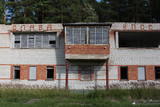 |
The firing range at Skujnieki was once used for summer sports, as well as training in the use of firearms. The Defence Ministry still uses the facility from time to time. The central building of the facility was built in 1982, and its façade is decorated with text in the Russian language: “Слава КПСС” (“All Honour to the Soviet Communist Party).
|
|
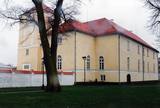 |
The Castle of the Livonian Order in Ventspils was first listed in documents in the late 13th century, and despite damaging wars, it has maintained its essence as a castle to this very day and only with minimal changes. The castle is also known as the oldest Medieval fortress in Latvia. Today it is home to a modern museum. |
|
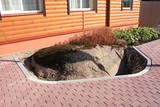 |
The rock is along the main street of Krāslava and is found at Augusta Street 12. After major reconstruction of the city’s infrastructure, the rock was successfully integrated into the surrounding landscape. The rock is 2.8 m long, 2.2 m wide and 700 cm high. It once served as a border stone for the village of Krāslava. It was placed there in 1729 to commemorate the day when the noble Plater dynasty bought Krāslava. The dynasty’s seal is engraved in the side of the rock along with the date when it was installed. Legend has it that Polish King Augustus II dined at the rock after a hunt, and that is why it is known as Augustus’ Rock. |
|
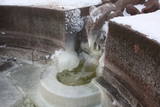 |
Built in the turn of the19th to 20th century. Next to it-on the right bank of the river Vēršupīte, there is located one of the most popular Latvian sulphur water springs, called "Small lizard". The spring runs out from a stone-designed lizard sculptured in 1949 (Sculptor J. Bajārs). Its water is healthy for using both internally and externally. Not far from the pavilion there can be found Jānis Lībietis alley sign. J. Lībietis worked in the position of a director for the sulphur water spring authority of Kemeri from 1928 to 1944. |
|
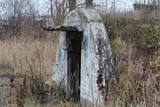 |
In the South-western parts of the former Spilve airfield, you can still see concrete areas on which Soviet-era military helicopters once landed.
|
|
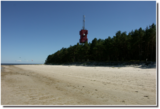 |
Cape Ragaciems – a promontory from
the western shore of the Bay of Rīga which
ends with a shallow and rocky submarine
shallows reaching several hundred metres
into the sea. The Ragaciems Lighthouse is
at the tip of the cape
|
|


