
| No | Name | Description |
|---|---|---|
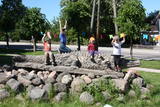 |
This 1995 sculpture by Oļegs Skarainis is at the corner of Dinsberģa and Talsu streets in Dundaga, near the local dairy. It is dedicated to the strong men of the town, including former Dundaga resident Arvīds Blūmentāls (1925-2006), who lived in Australia, was a great crocodile hunter (some 10,000 in all), and served as a prototype for Paul Hogan in the famous movie “Crocodile Dundee.” |
|
 |
Biškopības produkti bioloģiskajā saimniecībā, informācija par biškopību un dabas aizsardzību. |
|
 |
Atrodas sporta un atpūtas kompleksā „Trīssaliņas”. No torņa paveras pievilcīga apkaimes ainava, kas īpaši skaista ir pieneņu ziedēšanas laikā. |
|
 |
Meklējams pie Pāvilostas tilta pār Saku (Meža iela). Te apskatāms 2005. g. restaurētais un uz postamentiem novietotais Pāvilostas zvejnieku kuģis, ar kādu tie zvejoja pagājušā gadsimta 50. – 60. gados. Šāda tipa kuģus būvēja Vācijas Demokrātiskajā republikā. |
|
 |
Piemājas zoodārzs "Brieži" atrodas netālu no Rīgas. Šeit sastopami daudzi un dažādi dekoratīvie putni, tītari, pīles, fazāni, pāvi un žagata, starp tiem dzīvo jūrascūciņas un truši. No četrkājainajiem draugiem te var sastapt Holandes pundurkaziņas, Haidšnukes aitas, Šetlandes ponijus, ēzeļu ģimeni, vāverēnus un jenotpuiku Bārniju. Zoodārzu palīdz sargāt zosu bariņš un Peruāņu pundursivēns - Pigis. No 2015. gada Briežos dzīvo arī dambrieži un briedis Munžaks. Pēc pastaigas zoodārzā, iepriekš piesakot, iespējams izmantot piknika vietas un bērnu rotaļu laukumus. |
|
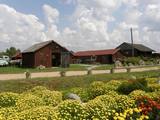 |
We offer a private collection of ancient tools, household items and technologies which we began to assemble in 2002. Right now we have more than 5,000 objects of cultural and historical objects on display, as well as a lovely garden with countless compositions of colourful flowers, fountains, an Eastern meditation bridge, ponds, a pergola, leafy areas, etc. The garden covers more than 2 ha, and it is located 1 km from Lazdukalns. |
|
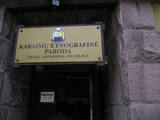 |
Karaims are a small nation of Turkish decent who practise The Karaim religion which started developing around 8th century in Persia. Their language is still used in modern-day Lithuania. In the museum there are rooms not only dedicated to Lithuanian Karaite communities but also Poland's and Ukraine's. |
|
|
|
Xранилище старинных предметов находится на втором этаже здания Туристического информационного центра в Нице. Здесь представлен более чем столетний народный костюм Ницы со всеми неотъемлемыми принадлежностями - юбкой, корсажем, кафтаном и шапкой с «ушками». В ницанском сундуке для приданого хранятся работы местных рукодельниц, которые продолжают местные ремесленнические традиции. Посетители могут ознакомиться с ницанскими одеялами, платками, скатертями и другими пригодными в хозяйстве вещами, а также с рукавицами и носками. |
|
 |
No ūdens tūrisma attīstības centra „Bāka” skatu laukuma, kas atrodas Lubāna ezera ziemeļdaļā pie V 560 autoceļa, paveras viens no labākajiem Lubānas ezera skatiem. Redzams milzīgais Latvijas lielākā ezera klajs un Kvāpānu – Īdeņas zivju dīķu ar dambjiem ainava. |
|
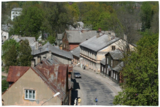 |
Valdemārpils is a small and quiet town along the shore of Lake Sasmaka. A village of craftsmen and merchants was established on the land of the Sasmaka Estate in the 17th century. There were quite a few Jewish merchants and craftsmen in towns in Kurzeme during the mid-19th century, and Sasmaka was known as their capital city. The city was named Valdemārpils in 1926. Its historical 19th century centre is a monument to urban construction. The town has a Lutheran church, an Orthodox church, a former synagogue, a monument to Krišjānis Valdemārs, and an outstanding linden tree. |
|
 |
In the vicinity of Cesvaine Castle, in the manor complex building, natural live beer is brewed according to ancient methods. The 150-year-old tradition of beer brewing, inspired by the first city brewery in 1865, has been revived here. Offers excursions in the brewery and tasting. |
|
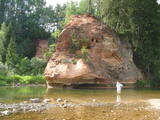 |
This is one of the most beautiful and popular tourism locations in Vidzeme. The cliff is 45 metres high, and the height of the lovely open-faced portion is around 20 metres high. You can look at the wide and deep Amata River valley and its forested banks.
|
|
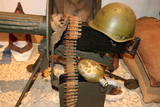 |
Found at Daugavpils Street 40 in Aglona, this is one of the largest private collections of military exhibits related to World War II in
|
|
 5 days
|
Historians say that Liv tribes began to settle the territory that is now Latvia in the 10th century. They lived in Northern Kurzeme, at the mouths of the Daugava and Gauja Rivers, and from Ģipka to Oviši, where seaside fishing villages of Liv origin can still be found. Coastal residents have always eaten various sea, river and lake fish dishes, including smoked sole, Baltic herring, cod, bream or eelpout, baked lampreys, salted sprats, Baltic herring and common herring. Fresh and lightly salted Baltic salmon is a delicacy. Whole fish are baked on hot coals, including pike perch, trout, carp, catfish and European perch. Guests can participate in catching and smoking fish and tastings with bits of everything is available on degustations. Rye can be tasted in rye bread and sourdough bread, carrot buns and even pancakes and gingerbread. Barley buns are common in Vidzeme, as are tasty meat and fowl dishes. There will always be a pig's snout with peas or an oven-roasted piglet on New Year's Eve. Taverns serve wild game with lingonberries, mushrooms and other wild tastes. Side dishes include autumn vegetables, pumpkin, beans or grits, as well as sinfully tasty sauces. Enjoy traditional pies, sheet cakes, pretzels, apple cakes and honey bakes during celebrations or every day. You will enjoy desserts made of rye breadcrumbs, cranberries, lingonberries and sweet cream. Popular in Kurzeme are blackberry dumplings, and during summers, there are lots of desserts with fresh berries. Boost your health with aromatic herbal teas and honey, or enjoy some homemade wine or beer. |
|
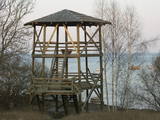 |
This tower is on the shores of the ancient Litorine Sea, with a lovely view of the unique seashore here – complete with small bays and capes. It is part of the Kaltene nature trail, which is around one kilometre long. The location is of particular interest during spring or autumn migration of birds. Two other bird-watching platforms are nearby.
|
|
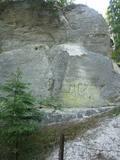 |
The Sietiņiezis cliff is on the right bank of the Gauja River between Valmiera and Jāņmuiža (follow signs along the road). There is a circular nature trail here. Sietiņiezis is one of the largest white sandstone cliffs in Latvia, up to 15 m high and around 500 metres long. There is an interesting diversity in form here, with small caves and niches, erosion-based ravines, as well as sandstone formations which are reminiscent of poles. The word "sietiņš" refers to "sieve," and the cliff is so called because bees have drilled holes into it for time eternal. From the southern part of Sietiņiezis, you can get a good look at the ancient Gauja River valley, and all around it are lovely pine forests. There is a place on the banks of the Gauja which is meant for campfires and meals. |
|
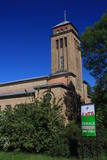 |
The Aknīste Catholic Church was built between 1937 and 1940, and its design is based on the Kaunas Church of the Resurrection in Lithuanian. The building features the rectangular and geometric forms that were typical of the age of Functionalism. Inside is a large wooden altar, along with a pulpit and two side altars (from the early 19th century) which were once found at the Rokišķi church. They were brought to the Aknīste church when the one in Rokišķi was redesigned. In 1997 the church was granted the Blue Flag of European cultural heritage. Alongside the church are the red brick gates of an old Catholic church, which date back to the latter half of the 19th century. Also there is the Selonian Park. |
|
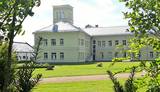 |
The Rietavas Park was once the largest landscape park in Lithuania. It was established between 1848 and 1855 in a naturally cleaned forest and reconstructed in 1904 and 1905. This is a very nice park with local bushes and trees, as well as several foreign plants. Various alleys of trees and fragments of the hedges have been preserved along with the white gate, the red gate and a guard's hut. The park has a complex system of bodies of water, including a few ponds, a curvy river and an island that is surrounded by the old river. |
|
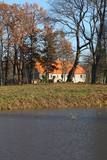 |
The residential building was erected in the early 18th and renovated in the middle of the 19th century. Restoration of the manse and its ancillary buildings is continuing even today. Since September 2009, the Latvian Evangelical Lutheran Church has housed its Recollection Centre at the manse. The ruins of an old stable can be seen. |
|
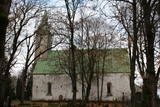 |
Vienīgā baznīca nacionālā parka teritorijā. Tā atrodas Kirblas (Kirbla) ciemā – uz neliela pacēluma, kas Baltijas ledus ezera laikā bijusi sala, kuru no visām pusēm ietvēris ūdens. Kirblas baznīcas pirmsākumi ir meklējami 16. gs. un par tās celtniecību saglabājušies dažādi interesanti nostāsti. Tas ir viens no mazākajiem Igaunijas dievnamiem (29 x 11 m). |
|


