
| No | Name | Description |
|---|---|---|
 |
Im Garten von Vilius Orvidas (1952 – 1992) ist eine Ausstellung der in der Sowjetzeit von der Melioration „geretteten” Steine, Grabkreuze, Holzgegenstände u.a. unter freiem Himmel eingerichtet. |
|
 5 days
|
From Riga the tour goes through historic sea resort Jurmala to Pure Chocolate museum where you could see production and taste some. Then the tour goes to Sabile where there is small Wine Hill which history dates back to 16th century. You visit local wine producer who will show his gardens and talk about grape growing in the Latvian climate nowadays. Afterwards tasting of the seasonally available drinks. Then you visit small picturesque town Kuldiga and have some wine tasting there. Next day there are eco wine tasting at Aizpute and Durbe and then go to the city of Liepaja with lovely sandy beach, arty atmosphere and significant military heritage at Karaosta suburb. Then the route follows up the coast line. At Pavilosta you have a trip in traditional fishermen boat and at Alsunga singing and demonstration of local traditions by Suiti women. Culturally colourful community which heritage is listed in UNESCO. Then walk along the steep sea cost at Jurkalne and enjoy the best maintained port town of Ventspils. Next day there is a visit to local fishermen and see fish smoking process, then walk along Cape Kolka where the open sea meets the Riga Bay. Turning back to Riga you have a visit and tasting at wine maker in Talsi. |
|
 |
In Kännu Alpaca Farm you can see Peruvian alpacas, mammals with beautiful, soft coat which they are known for. While in this farm you can feed alpacas with food provided by the owners and pet them. You can also see goats, sheeps, rabbits and chickens. In the farm shop you can buy souvenirs and also products that are made of alpaca wool. Kännu Alpaca Farm is also suitable for family visits. |
|
 |
The bistro is in the centre of Jelgava and offers fresh canapés, cakes, pierogi, cookies and other baked goods. It works with local producers of ingredients. Latvian cuisine: Bacon pierogi, potato pancakes, wheat-potato porridge with bacon sauce, whipped fool with milk. Grey peas with bacon during the season of the Winter Solstice. Special foods: The “Duke’s Sail” – oven-roasted pork with caramelised sauerkraut, roast vegetables, lingonberry sauce and horseradish. |
|
 |
Lapsu Mājas sieri tiek gatavoti Ogrē. Godinot latviskās tradīcijas, tos 2013. gadā kā mazais mājražotājs sāka siet Jānis Lapsa savā mājas virtuvē. Lapsu Mājas sieru gatavošanas process ir 101% roku darbs - sākot no sieru masas gatavošanas līdz pat iepakošanai. SieriMājas siers ar samazinātu sāls daudzumu no govs piena (pieejami ar 27 dažādām garšām). Šiem sieriem ir piešķirta kvalitātes zīme "Zaļā karotīte". Bezlaktozes mājas siers ar samazinātu sāls daudzumu no bezlaktozes govs piena. 2021. gadā kā pirmie Latvijā sāka ražot bezlaktozes mājas sierus no govs piena. Jāņu siers ar sviestu vai ar saldo krējumu. Kā top siersTā kā siers tiek ražots pilsētas teritorijā, piena produkcija tiek iepirkta. Sieriem ar samazinātu sāls daudzumu un Jāņu sieram produkcija tiek iepirkta no piena pārstrādes uzņēmuma “Straupe”. Bezlaktozes sieriem produkcija tiek iepirkta no AS “Jaunpils pienotava”. Savukārt olas tiek iegādātas no Ropažu zemnieku saimniecības “Rasas”. Apmeklētājiem
Kur iegādāties sierus
|
|
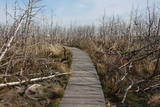 |
Nahe der Beerkopfdüne ist im Frühling 2006 „ein Brand der Jahrhunderte” gewessen. Es wurde der hundert Jahre alte Wald in der Fläsche von 235h ausgebrannt. Ein Pfad mit Holzbelag. |
|
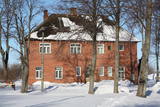 |
Name of Ainazi is an integral part of the Latvian maritime history. The first Naval School, which was able to learn the Latvian peasant children, was established here in 1864. Naturally - Ainazi became an important Latvian coastal shipbuilding centre and port. Economic life of the town was also facilitated by the opening of Smiltene -Valmiera-Ainazi narrow-gauge railway line in1913. Today Ainazi is a small and quiet town on the Latvian - Estonian border with a number of interesting sightseeing objects. |
|
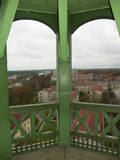 |
From the tower of St Simon’s Lutheran Church, you can see the central part of Valmiera and the banks of the Gauja River. During clear weather, you can see Zilaiskalns Hill. The church contains some cultural and historical treasures, as well as one of Latvia’s most resonant pipe organs.
|
|
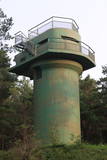 |
The battery is to the South of Ventspils, not far from the Piejūras Park. Work on the battery began in 1939. Today the site is a complete mess, standing out in a negative way from the tidy city itself. People seeking building materials and ferrous metals helped to tear the place down. It’s too bad that this historical location – one that might be of interest to tourists – is in such sad shape, and right at the gates of the city, to boot.
|
|
 7 days
|
Это богатый на мероприятия тур, ориентированный на семейный отдых. Запланированные мероприятия влкючают в себя катание на велосипедах, байдарках и пешие прогулки. После знакомства со Старым Городом и парками в Риге, вы сделаете остановку в Этнографическом музее под открытым небом, который дает практическое представление о жизни в старинной Латвии и ее архитектуре. В Сигулде пешая прогулка начинается у руин романтического средневекового замка и проходит вдоль долины реки Гауя к Турайдскому музею — резервату с его средневековым замком, обзорной башней, традиционными поместными зданиями и действующей кузницей, где вам понравится выковать монеты. Увлекательный сплав на байдарках от Цесиса проходит через несколько живописных прибрежных обрывов и небольших порогов, завершаясь у старомодного парома в Лигатне, который до сих пор действует ежедневно, работая от энергии течения реки. Будучи в Лигатне, прогуляйтесь по природным тропам, где сможете увидеть местных диких животных в больших вольерах, таких, как: дикие кабаны, медведи, рысь, волки и другие. Совершить «Путешествие во времени» вы сможете, отправившись на экскурсию в бывший секретный советский военный бункер, созданный на случай ядерной войны, в то время как экскурсия по средневековому Цесису и его замку Ливонского Ордена при свете фонарей предоставит вам иные исторические ощущения. Во время экскурсий дети смогут увидеть красивую природу, узнать много нового о местной флоре и фауне, заинтересоваться историей, получить полезные навыки и помимо всего прочего, им будет очень весело. |
|
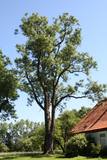 |
A very beautiful and expressive tree, it is found on the land of what was once the Vīceži Semi-estate.
|
|
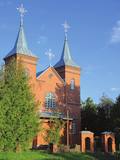 |
Holy Trinity Roman Catholic Church of Stoļerova. The construction
works of the church were finished in 1999 by the support of dean Butāns. The building is slightly larger than
the previous one; the newest (restored) church in Rēzekne district. The church has a specific icon of Our
Lady that was transferred from the chapel of Rozenmuiža.
|
|
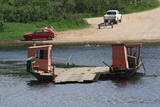 |
In the southern part of Līvāni, where Zemgales Street ends at the Daugava River, there is a fairly unusual and exotic form of transportation – one of three river crossings in Latvia. Unlike the one in Līgatne, this one is operated by a motor, not the flow of the river. It involves a cable across the river, and it is based on Soviet military pontoons that were used to build pontoon bridges for tanks. The crossing point was established by its owners. |
|
 |
Viena no augstākajām Latvijas celtnēm ar vienu no augstākajiem skatu laukumiem (65 m). Paveras izcila Vecrīgas un Rīgas ainava, kā arī Daugavas (līdz Rīgas HES dambim) un Pārdaugavas skati. Labi redzami blakus esošie Rīgas centrāltirgus paviljoni. |
|
 |
In the studio it is possible to buy or order different craftsmanship items, as well as to learn about craftsmanship process. The studio specializes in creating folk costumes, weaving and all sorts of handicrafts, creating jewellery, patchwork, sewing and silk painting. It is possible to see the crafts’ exhibition and buy souvenirs. |
|
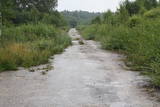 |
One of the largest tank bases in the Baltic War District was located during Soviet times just South of Gardene. The territory has largely been abandoned, and there are just a few remnants of the buildings that were once there. If you drive down the Dobele-Annenieki road, you will find a paved military road splitting off from it. It is still used today. The buildings and urban planning of Gardene are also of interest – during the Soviet era, soldiers and their families lived there.
|
|
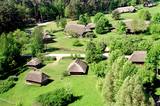 |
Countryside life open-air museum. Various historical county buildings, everyday life tools, traditions etc. |
|
 3 days
|
No Rīgas dodieties gar Daugavas labo krastu un apciemojiet Trušu Karalisti, kurā trušu mājiņas ir veidotas kā mazas muižas un pilis. Pēc tam dodieties uz Skrīveriem nogaršot mājas saldējumu un apmeklējiet Kokneses pilsdrupas. Nākamajā dienā apmeklējiet privātu mini-zoo ar dažādiem eksotiskajiem dzīvniekiem, pēc tam dodieties uz Raunas cepli, lai redzētu, kā top dažādi māla priekšmeti no sākuma līdz beigām. Vērts apskatīt Cēsis un tās viduslaiku pili. Izstaigājiet Līgatnes dabas takas, kur iespējams redzēt vairākus vietējos savvaļas dzīvniekus. Siguldā bērniem patiks piedzīvojumu parks. Siguldā atrodas arī divas viduslaiku pilis. Pirms atgriešanās Rīgā, apciemojiet zemnieku saimniecību, lai apskatītu kazas, ponijus u.c. dzīvniekus, kā arī nogaršotu kazas piena piena produktus. |
|
 14 days
|
A panoramic tour of Lithuania and Latvia with highlights of nature experiences in the National parks and nature reserves. A variety of landscapes, nature attraction sites, birds and wild animals, forests and seashore. The tour also offers some cultural and historical insights. Baltic States are lucky to have plenty of untouched natural territories. During the Cambrian, Silurian and Devonian eras, the territory of the current Baltic States was often covered by seawater, which is why there are places where lots of geological evidence can be found about these periods in history. These are manifested not just in fossils and various geological objects, but also in the unique landscape. For example, The Gauja River basin is an outstanding locations for Devonian cliffs and caves. Other interesting elements of the terrain relate to the development of the Baltic Sea in the past – the Baltic Ice Sea and the Littorine Sea. That is well presented at he landscape of hillocks and valleys in the Slītere National Park. Many forests and bogs have remained virtually untouched as biotopes here. The Ķemeri, Slītere national parks were all established to protect wetlands. Rivers in the Baltic States have not been straightened and dense areas of buildings are not common. There are two “lands of lakes” in the Baltic States – Latgale and Augštaitija. The Baltic States are at the crossroads of the living areas of many different plants and animals, and that is why “northern,” “southern,” “western” and “eastern” species can all be found here. Some national parks have been established to protect distinctive local cultural heritage. |
|
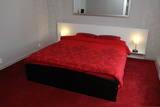 |
Guest house AMRAI is located in Ventspils, in a quiet, tidy area, 6 km from the central beach and 2 km from the wild beach. For accommodation we offer a well-equipped two-storey holiday house with two separate rooms, as well as well-equipped 1-room and 3-room apartments in a private house with separate entrances from the yard. The one-room apartment has a shower, toilet, kitchen, TV - local, internet. The three-room apartment has a jacuzzi bath, toilet, kitchen, TV-spot, internet. Both apartments have a washing machine. In the garden there is a place for games, trampolines, grills. Offers board games and outdoor games - free of charge. Possibility to order meals, talk to a babysitter, rent bicycles. |
|


