
| Нo | Название | Описание |
|---|---|---|
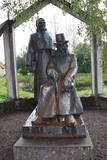 |
Находится рядом с домом культуры в Вецпиебалге. Архитектор памятника А.Скуйиня, скульптор - М.Еньгеле. |
|
 |
Meistardarbnīcā „Cimdiņi” darbojas Latvijas Amatniecības kameras diplomētā meistare Ina Valtere, pie kuras ikvienam ir iespēja uzzināt visu interesējošo par rokdarbiem, kā arī iegūt padomu un ieteikumus adīšanā, izšūšanā un tamborēšanā. Tiek piedāvāta iespēja piedalīties arī darbnīcās un meistarklasēs. |
|
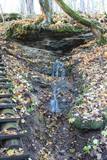 |
Litorīnas jūras laikā (pirms ~ 6000 gadiem) Saleveres Salumegi kalns bija sala, bet mūsdienās tas kā izteikta kāple (īpaši - ziemeļu pusē) paceļas virs Piejūras līdzenuma. Salumegi ziemeļu pusē slejas 4 - 5 metrus augsts kaļķakmens atsegums – silūra perioda (> 400 mlj. gadu) koraļļu rifa paliekas, kuru noskalojuši Litorīnas jūras viļņi. Atseguma piekājē izplūst Acu avots, kam piedēvē dziednieciskas īpašības. Salumegi apskates nolūkos izveidota lokveida taka (1,5 km). No kalna augšas paveras labs skats uz Matsalu līci. Šeit atradies arī sens pilskalns. |
|
 |
This is a comparatively large lake (3 km long and 1.3 km wide). It is shallow (no more than 1.1 m deep) and is classified as a seashore lake. The Vecslocene River flows through it. At the southern end, there is a narrow stream which connects Lake Sloka with Aklo Lake – a shallow and small lake with a dolomite bed at some locations. The best view of Lake Sloka can be seen from the bird watching tower on its north-western shore. This is the only floating bird watching tower in Latvia. Alongside it is the beginning of the 3 km Lake Sloka hiking trail, which passes through the flooded wetlands of the lower reaches of the Vēršupīte. An information stand can be found on the shore of Lake Sloka by the car park. Beyond it is a sulphurous spring. |
|
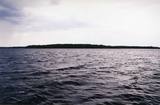 |
This is Latvia’s oldest nature reserve and, indeed, the country’s oldest protected natural territory. Moricsala is an island in Lake Usma, which is the fifth largest lake in Latvia. The reserve was established in 1912 at the initiative of a group of nature students from Rīga. They wished to protect the deciduous forest of oak trees on the island, along with the local flora and fauna. The nature reserve also includes the Lielalksnīte island. Visits to the reserve, however, are strictly prohibited. |
|
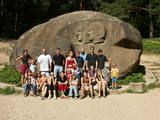 |
The “backbone” to this park is the valley of the Šventoji (Holy) River. One of the most impressive Devonian cliffs in Lithuania can be seen from the river – Vetygalos atodanga. On the shores of the Varius stream is a cliff made of quartz and sand – Variaus atodanga. 6 km to the S of Anykščiai is Lithuania’s second largest rock (5.7 m high, ~100 m3) – Puntukas akmuo.
|
|
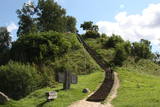 |
Eine der ältesten Ortschaften Litauens. Schon im 14. Jh befand sich hier eine Holzburg. Der 20 m hohe Merķine-Burgberg an der Mündung der Flüsse Merkys und Nemunas. |
|
 |
Guest house “Hilda Villa” is located in Estonia, in Viljandi town center. Guest house has special family room for 4 person and smaller families also. On the first floor there are Hilda's room and the Tenant's room, bathroom, living room, and kitchen. On the second floor there are 3 bedrooms for accommodation, 2 showers, and 2 toilets. |
|
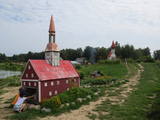 |
В симпатичных и миниатюрных строениях и вольерах размещено около 65 разных пород кроликов. Дети могут увидеть кроликов и познакомитьсяс с другими домашними животными - козами и овцами. |
|
 |
An organic farm where it is possible to read and taste strawberries directly from the field during the season. There are also real wild strawberries. Sea buckthorn is also grown, can be read and tasted in September. Small-scale processing (juices, syrups, frozen products, jams) - home producer status. |
|
 |
Atrodas blakus Kalnamuižas baznīcai. Dienvidos no tās redzama grāfa Pālena kapliča, uz kuras salasāms vecs uzraksts krievu drukā “Savu mieru dodu jums”. Šajos kapos atdusas daudzi ievērojami cilvēki – mikrobiologs Kristaps Helmanis, A. Brigaderes tēvs, Tērvetes ainavu parka veidotājs Miķelis Kļaviņš u.c. |
|
 |
2015. gadā uzceltais skatu tornis atrodas dabas parkā „Daugavas loki”, Daugavas ielejas kreisajā krastā – Daugavpils novada Vescalienas pagastā. No torņa aplūkojama izcilā Daugavas loku ainava. |
|
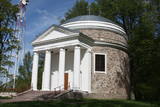 |
В XV столетии господская усадьба Прейли становится родовым имением графов Борхов. Борхи хозяйствовали здесь до 60-х годов XIX века. Сам город образовался в первой половине XIX века при сливании имения Прейли с селением и слободой - поселением ремесленников и торговцев. В XIX веке в Прейли построили роскошный дворец и разбили ландшафтный парк. Современный город Прейли – это важный экономический центр Латгалии (сырное и швейное производство), который бережно относится к своему фольклору, традициям ремесленничества и католицизма. По Прейли настоятельно рекомендуется экскурсия в сопровождении сотрудника ИЦТ Ирены Кяркужи. |
|
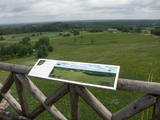 |
Karulas augstienes augstākais reljefa punkts (137 m.vjl.), kas virs tuvākās apkārtnes paceļas par ~ 60 m. Torņa kalnā ir uzbūvēts skatu tornis ar ļoti plašu apkārtskatu. Uz tā platformas ir novietoti panorāmas fotoattēli, kuros atzīmēti zīmīgākie plašākā apkaimē redzamie objekti – apdzīvotas vietas, pilskalni, baznīcu torņi u.c. Turpat izveidota atpūtas vieta un meklējams Rebases ainavu takas sākums. |
|
|
|
Моленная Пудеревской старообрядческой общины. Архитектурный памятник местного
значения, построенный в начале 20 века.
|
|
 |
Redzamas pa lielu gabalu Vecumnieku – Skaistkalnes un Stelpes ceļu krustojuma tuvumā. Šīs Holdandes tipa vējdzirnavas uzcēla 1903. gadā. Sākot ar 20. gs. 30. gadiem dzirnavas darbojas ar elektrības palīdzību. Līdz mūsdienām ir saglabājušies vējdzirnavu vēsturiskie mehānismi. Kādreiz daudzie vējdzirnavu stāvi bija raksturīga Zemgales vēsturiskajam novadam, ko pamatoti dēvē par Latvijas „maizes klēti”. Diemžēl līdz mūsdienām ir saglabājušies tikai daži. Šīs vējdzirnavas ir apskatāmas tikai no ceļa malas.Ap 8 km rietumos (Iecavas virziens) redzamas vēl vienas – Kāravu vējdzirnavas. |
|
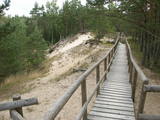 |
По всей своей протяженности тропа выстлана деревянными мостками. Она извивается то вверх, то вниз, вдоль крутых берегов низовья Пилсупе и приоткрывает красивые виды на три белых песчаных обнажения (самое крупное из них и есть Белая дюна). Окрестный дюнный массив образовался в период Литоринского моря нескольких тысяч лет тому назад. В окрестностях тропы найдены свидетельства поселения эпохи каменного века. Необходимое время для осмотра тропы примерно полчаса. |
|
 |
АО «Прейлю сиерс» является крупнейшим производителем сыра в Латвии, экспортирующим ~ 90 % сыра. В магазине „Preilis”, расположенном недалеко от производства по адресу ул. Даугавпилс 66a, в продаже имеется самый широкий ассортимент продукции АО «Прейлю сиерс». Дегустацию прейльского сыра и просмотр фильма предлагают также в бистро „Preilene” по адресу Прейли, ул. Резекнес 15. В Прейли находится единственный памятник сыру в Латвии (во всем мире только несколько таких). Также в городе можно увидеть шесть сырных скульптур. Прейли называют латвийской столицей сыра. |
|
 |
Хозяйство расположено в традиционном рыбацком поселке, где в почете местная кухня и изделия рукоделия. Гостям предлагают продегустировать продукты собственного изготовления, а также устраивают мастер-классы по приготовлению еды и ремесленному мастерству, знакомят с деревенской жизнью. |
|
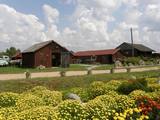 |
Частная, созданная под открытым небом, коллекция старинных орудий труда, предметов быта и техники, начало которой положено в 2002 году. Сейчас в экспозицию входит более 5000 всевозможных культурно-исторических предметов и художественный сад, который простирается на площади более 2 га и включающий бесчисленные композиции роскошных цветов, фонтаны, восточный мостик для медитаций, пруды, перголу, беседки. Расположена в 1 км от Лаздукалнса. |
|


