
| No | Name | Description |
|---|---|---|
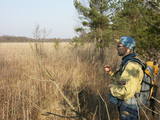 |
This lime swamp of grasses is in an area among dunes which floods from time to time, and it is an important location for many protected plants. The swamp is easily surveyed from the forested dunes which are on the south-eastern side of the swamp. |
|
 |
"Līdumkalni" atrodas Ķurbē -Kurzemes ziemeļrietumu daļā, starp Dundagas mežiem un Ķurbes lielo silu, zaļu pakalnu vidū, 15 km no jūras un ne pārāk tālu no debesīm. Šeit laiks rit lēni. Tas nevienu nesteidzina. Laika pietiek, lai vērotu Dieva radīto pasauli un ieskatītos Viņa bagātajā aptiekā. Laika pietiek lai iepazītos ar kristīgajām tradīcijām un dzīvesveidu, lai iegūtu praktisku lūgšanu un meditāciju pieredzi. Laika pietiks arī veselīgas maltītes pagatavošanai lauku virtuvē vai uz ugunskura un pašam savas gleznas uzgleznošanai gleznotājas darbnīcā. |
|
 |
The café is in the centre of Ludza with a lovely view of local churches and a castle hill. Lettigalian foods made of various ingredients are offered. |
|
 |
Located in the Mežotne Castle, the saloon offers fine and tasty dishes and beverages. Tours of the ornate castle are available, and the location has one of the loveliest English-style landscape parks in Latvia. Latvian cuisine: Potato pancakes, rolled marinated herring, trout with potatoes in their jackets, blood sausage with lingonberry sauce, grey peas with bacon, stacked rye bread with cranberry jam and whipped cream. Special foods: “Bauska Thaler” – pork in the form of a thaler with a sauce made with Bauska beer. |
|
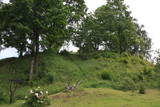 |
Atrodas 0,3 km ziemeļos no Vecpiebalgas pilsdrupām. Ap 10 m augsto, bet visnotaļ izteiksmīgo Grišku kalnu sauc arī par Piebalgas, Balgas un Veļķu pilskalnu. 13. gs. šeit bijusi svarīga apmetnes vieta ar mākslīgi nostāvinātām nogāzēm un dziļu aizsarggrāvi. Vēstures notikumi ir atstājuši ap metru biezu kultūrslāni. Bezlapu laikā no kalna paveras skats uz Vecpiebalgas baznīcu un pilsdrupu vietu. Pilskalna piekājē ir aka ar Griškavotu. |
|
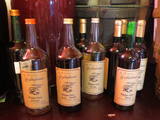 |
The farm grows fruit trees and raspberries, and it makes homemade wines from various fruits and berries, including raspberries, black currants and apples. You can purchase products, and groups of up to 25 people can attend wine tastings in a very fine hall. |
|
 |
This hill in the Tīreļpurvs swamp is an historical object of national importance – the only area in Latvia that is restricted for cultural and historical purposes. There is unique evidence here of World War I fortifications and the so-called Christmas Battle that was fought here.
|
|
 |
Ap 9 km garā taka (vienā virzienā) sākas Skaņākalna dabas parkā (Mazsalacā) un beidzas pie Ramatas. Tā iepazīstina ar Salacas ielejas dabas parka nozīmīgākajām vērtībām – smilšakmens atsegumiem (Skaņaiskalns, Dauģēnu klintis u.c.), alām, nozīmīgu izmēru laukakmeņiem u.c. Taka marķēta. Tajā izvietoti informācijas stendi, norādes. Jāpadomā par loģistiku – kā nokļūt sākuma punktā. |
|
|
|
Gegründet für den Schutz der Landschaften und der Seen der Aukštaitija-Anhöhe, Arten und Biotope. |
|
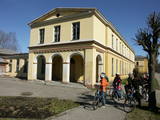 |
Kemeri (Kemmer) are mentioned in the literature sources for the first time in 1561. In the second half of the 18th century and in the beginning of the 19th century the curative properties of Kemeri sulphur spring waters and swamp mud are well known, therefore here representatives of the highest Kurzeme social circles arrive for treatment. The local foresters welcome the guests. During this time the first mud baths are organised. For some time the development of Jurmala and Kemeri beach is terminated by the Fatherland War of 1812. Two decades later – from 1833 until 1835 the benefits of Kemeri were enjoyed by General Governor of the Baltics Graf K. M. Palen, who addresses the Tsar of Russia Nicholas I for supporting further development of the health resort. Plead is supported and in 1836 Tsar allocates 700 ha of state land and grants 100 000 roubles for the construction of sanatorium and paving of the road from Kemeri till Sloka-Tukums high-way. Two years later (in 1938) the first state bath institution is opened. This is also considered the year of founding the health resort. In several stages the formation of Kemeri Landscape Park is begun, which is an important part of the health resort. In the middle and second half of the 19th century further development of the health resort is promoted by steamboat, as well as railroad traffic that are opened in 1877 from Riga till Tukums. In 1912 direct railroad line Kemeri-Moscow is opened. Early before World War I the number of patients reaches 8300 per year. The 1st battlefront of World War I is held in Kemeri swamp for several years and the health resort is significantly destroyed. Despite this fact after the war it develops rapidly and Kemeri becomes a beloved recreation place for the residents of Riga and one of the most modern health resorts in Europe. In 1924 a new bath institution with mud-baths is built in Kemeri, which at the time is one of the most modern in Europe, but in 1936 State President Kārlis Ulmanis opens one of the most prominent buildings of the first independent state of Latvia period – hotel "Ķemeri". Also after World War II – during the Soviet times the health resort is significantly expanded and almost 10 sanatoriums are established within its territory, in which about 100 doctors are employed. In 1971 Kemeri is awarded the status of All-Union health resort. From 1975 until 1985 the largest of sanatoriums is constructed in Kemeri – Līva (initially – Latvija), which has two blocks of eleven storeys. Up to 1200 patients at the same time could receive treatment at Līva, but within a year – up to 140 000 patients. The sanatorium is closed in the beginning of the 90ies of the 20th century as unprofitable. Up to 1994 five sanatoriums operate in Kemeri: "Čaika", "Daugava", "Dzimtene", "Ķemeri" and "Līva" (Latvija) and resort policlinic "Ķemeri". The latter period may be considered the declining fame period of Kemeri as a large-scale health resort. |
|
 |
Teearu farm prepares various dishes from the fish of Lake Peipus; marinated, smoked bream is especially popular. It is also possible to taste meat smoked according to traditional methods. Catering can also be ordered. |
|
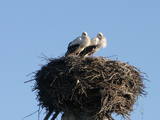 |
This lovely territory includes the hillocks of Embūte, which are in the ancient Embūte valley. The aim of establishing the park was to protect the landscape, biotopes and species of the region. An ecological tourism trail has been established in the valley, as has a forest trail through the nature park (accessibly only in the company of a guide). Visitors will learn about the hillocks and ravines left behind by the Ice Age. The ravines and the forests along their sides are protected biotopes. There are also important natural and cultural monuments, including the Embūte castle hill and the ruins of a baronial estate, castle and church. Other points of interest include the death place of the Courlandian warrior Indulis, the Joda dam, meadows, a viewing tower, etc. Three unmarked bicycle trails are in the area. |
|
|
|
The No. 14 Border Guard facility at Akmeņrags was a naval observatory. The facility belongs to the regional local government and is not used for any purpose at this time.
|
|
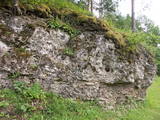 |
This is a segment of the Gauja River which is full of rapids in some places. It stretches from Vidaga and the place where the Vecpalsa River flows into the Gauja. Along the Gauja and its tributaries, dolomite outcrops can be seen on the shores, and the largest of these are the Randati cliffs. The restricted area was established mostly to protect various kinds of forests, meadows, outcrops and their habitats. This is an interesting part of the central section of the Gauja for people who enjoy beautiful landscapes and for those who are water tourists.
|
|
 |
A café in Baloži, located 11 km from Riga, that offers a wide range of dishes for every taste, from breakfast and snacks to a variety of main dishes, both from local and European cuisines. An especially friendly place for families with babies. |
|
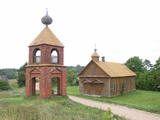 |
One of the most unusual houses of worship in the national park, this one has a red brick tower, and together with local residential buildings it makes up an interesting cultural landscape. The prayer house is not open to the public. |
|
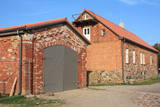 |
Found on the right bank of the Saka River at Dzintaru Street 1, the museum is in the first red brick and fieldstone building in Pāvilosta. It was built in 1879 for ship pilots. The museum focuses on the history of the local region, particularly in terms of fishing and seafaring. Among the exhibits are stone and bone axes, bronze brooches and belts, as well as a unique honey press, all of which have been found in the Saka Parish. Alongside the museum is a boathouse with larger exhibits. A mansard that was opened in 2012 is a site for exhibitions and thematic events. The museum’s phone number is +371-6349-8276. Make sure that you also visit the oldest part of Pāvilosta – Āķgals, which is a typical coastline village from the 19th and early 20th century. |
|
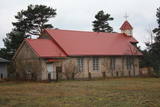 |
Atrodas ciema ziemeļdaļā. Neliela vienstāvu ēka ar svaigi nomainītu jumtu. Pēc vieniem avotiem celta 1883. gadā, citiem – pamatakmens ielikts 1933. g. 1. maijā. Tā tapusi pēc vietējo iedzīvotāju ziedojumiem uz Pirču māju zemes (saimnieks zemi atdevis dievnama celtniecībai). Baznīcas iekārta 2. pasaules kara laikā gāja bojā, tādēļ mūsdienās redzamā ir tapusi 20. gs. otrajā pusē. |
|
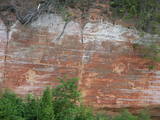 |
One of the most popular areas of uncovered sandstone in Latvia, known for its unusually smooth and sound-reflecting cliff wall (around 12m in height). Located on the right bank of the Salaca river, there is a place for tenting. A fun experiment is to stand in various closes opposite the cliff and to speak quietly. The echo will be heard either by the speaker or by people who are standing elsewhere. Located in the Salaca valley nature park and the Skaņaiskalns park.
|
|
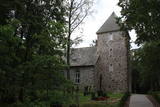 |
1.2 km to the south of the centre of Ģipka and on the side of the Jūrmala-Kolka road (P131), this church makes it hard to believe that the rock church was built very recently – after 1992, because it was burned down during the Soviet occupation in 1979. Ironically, the Dundaga forestry fire safety post was housed in the steeple of the church after World War II. The ornate altar and organ were destroyed in the fire, but the altar painting, “Christ on the Cross,” was saved. The church is now once again open for business. |
|


