
| No | Name | Description |
|---|---|---|
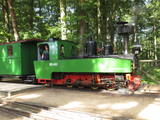 |
This little tram offers a great opportunity to return to history, when small trams were found all over Latvia. Until the 1960s, there was a narrow-gauge railroad that linked shoreline fishing villages along the shores of Northern Kurzeme. Only a few remnants of the old tracks can still be found in nature, and there are only a few train stations or parts thereof. Visitors to the Ventspils Open Air Museum can take the 1.4 km Circle Line or the 3 km Mountain Line. The locomotive was built in Germany in 1916, and the museum features a station building with all of its elements. |
|
 |
This is the only dairy processing company in Latvia to prepare “Tea” cheese from fresh milk and with various flavours. The company offers smoked cheese sausage, cheese salad, and the “Gardumiņš” grand of sweet cottage cheese treats, as well as other types of dairy products. These can be bought at the Daugavpils market, the Central Market in Rīga, and all Latgales Dairy retail locations in Latvia. |
|
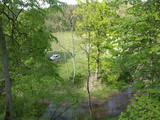 |
The viewing area is near the top of the Vilce castle hill, with a view of the Rukūze River valley, Zaķi meadow, and surrounding forests. This is an unusual landscape for the region of Zemgale. The Vilce baronial estate is nearby.
|
|
 3 days
| ||
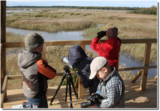 |
Kaņieris is a seriously overgrown and
shallow seaside lake. Its water level was
adjusted several times during the 20th
century so as to obtain agricultural lands.
The lake has 14 islands, among which nine
are natural and the rest are artificial and
aimed at attracting nesting water birds.
Lake Kaņieris has one of the richest
diversities of birds in Latvia. An
ornithological nature reserve was
established here in 1964. In 1989, the lake
was placed on the list of major birding
locations in Europe, and in 1995 it was put
on the list of the Ramsar Convention. At
the southeastern shore of the lake is a
boating facility (only rented boats are
permitted on the lake). A bird-watching
tower was erected on the Riekstu
peninsula in 2009
|
|
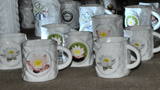 |
Since 2007, visitors have been able to tour a porcelain factory that offers an exhibition of porcelain products. You can buy souvenirs or commission special products. Children will love the porcelain painting studio that is in the mansion of the nearby Vecpiebalga Estate. |
|
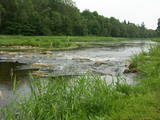 |
This park was set up to protect the lovely ancient valley of the Dubysa River. This is one of the most popular rivers for water tourism in Lithuania, because it has a significant drop with rapids and beautiful shorelines.
|
|
 |
The saloon is in the most popular pedestrian thoroughfare in Jūrmala. The wooden building is typical of the town, has a nice interior and offers Latvian cuisine. The saloon offers the largest selection of Latvian draft beers. Latvian cuisine: Lamprey chops, pike haché, potted lamb a la Courland, sautéed pork ribs, fried Baltic plaice, bread soup. |
|
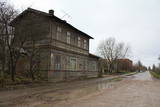 |
Taisnā Celtnieku iela ir bijušās Liepājas – Aizputes šaursliežu dzelzceļa (celta 1900. gadā, 49 km gara) līnijas „trase”, kuras malā (Celtnieku ielā 50) redzama bijusī dzelzceļa stacijas ēka. |
|
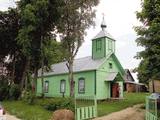 |
Uļjanova Old-Believers Prayer House was built in 1875. The house
is a modest building where everyone can come to confess. The Prayer House is not rich in decorations.
|
|
 |
The brewery is located in Upespils, Suntaži parish, Ogre district. IndieJānis Brewery is one person's foolishness, longing for life and cheerfulness, which is why the owner's main goal when brewing is to create a certain taste, regardless of the cost of the product. Beer can be purchased locally in brewery by prior contact, as well as in pubs - TAKA, Brevings, Zobens un Lemess, Vinilbārs, Alus Muiža, Miezis un kompānija, Valmiermuižas alus vēstniecība. |
|
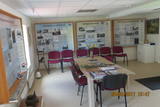 |
The exhibit features information about the history of the Džūkste and Lestene parishes, as well as the events and consequences of World War II. Donations are requested from those who visit the museum. |
|
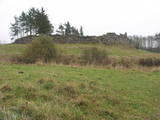 |
Atrodas Vecpiebalgas dienvidaustrumdaļā aiz baznīcas. 1340. - 1365. g. Rīgas arhibīskaps šeit uzcēla pili - cietoksni, ko apjoza aizsarggrāvji (atliekas redzamas arī mūsdienās). Pils ziemeļu pusē atradās priekštilta nocietinājumi, bet austrumdaļā - pils galvenā ieeja un tornis. Pili postīja 1577. g., bet pilnībā sagrāva 18. gs. |
|
 |
The farm "Kronīši" is located in Viļķenes Parish, Limbažu County. The farm grows organic vegetables that are processed into various home preserves. Teas are produced from plants collected from organic meadows, jams, preserves, syrups and juices are also on offer. Fruits and berries are collected from the garden itself, as well as from local farmers and the nearby Rūstuži and Blome marshes. The farm welcomes tourists and exchange groups with prior application. For family events, incl. a teahouse is available for children's parties, creative workshops and other activities. Offers tours with Soviet-era cars and retro cars. |
|
 |
Café Pärnamäed is located near the highway Via Baltica 10 km from Pärnu, in the direction to Riga; it specialises in baking pastries, white bread and rye bread without preservatives, and also offers products from various small manufacturers. In the café you can also enjoy soups, main courses and desserts. |
|
 |
Kauņas jūras reģionālais parks (Kauno marių regioninis parkas) dibināts 1992. gadā. Tas ietver Nemunas HES uzpludināto posmu – lielāko Lietuvas ūdenskrātuvi no Kauņas līdz Piļonas (Piliuona) ciemam. Viena no nozīmīgākajām parka vērtībām ir ainava, kas veidojusies ilgā cilvēka un dabas mijiedarbībā. Parkā konstatētas 950 augu sugas, 600 dzīvnieku, t.sk. - 34 zivju sugas. Parka nozīmīgas dabas vērtības ir meži, augstie purvi, kadiķu audze. Parkā ir apskatāmi dažādu vēsturisko periodu liecinieki – senču pilskalni, Pažaislis klosteris, Kauņas cietokšņa Piektais forts, kā arī Rumšišķes (Rumšiškės) brīvdabas muzejs – viens no lielākajiem (195 ha) šāda veida muzejiem Eiropā. Vaišvīdavā (Vaišvydava) ir izveidots parka apmeklētāju centrs, parkā ir dabas takas, piemēram, Žiegždriai ģeoloģiskā taka un Dubravos izziņas taka. |
|
 |
In the workshop it is possible to learn about the process of creating and the usage of pottery of different historic periods, as well as other household goods. Archaeological pottery is presented. The Middle Ages man-carried clay bread oven, frying-pan, drinking cups, the pilgrims’ water bowls. All the works are handmade in the moulded ceramics style and burned in the clay kiln. |
|
 |
Baltijā lielākās HES celtniecību uzsāka 1961. g., bet pabeidza 1966. g. Tajā uzstādīto 10 hidroagregātu projektētā jauda bija 825 MW. Pļaviņu HES tiek uzskatīta par unikālu, jo pirmoreiz HES būvniecības praksē tā konstrukcija tika balstīta uz mālsmilts un smilšmālu gruntīm ar maksimālo spiedienaugstumu - 40 m! Pļaviņu HES ēka ir apvienota ar ūdens pārgāzi, zem kuras atrodas Latvijas garākais tunelis - Enerģētiķu iela. 20. gs. deviņdesmitajos gados Pļaviņu HES rekonstruēja un tagad tās jauda ir sasniegusi 870 MW. Apmeklētāji var iepazīt mašīnzāli, skatu laukumus un HES maketu. |
|
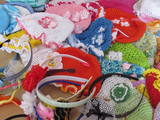 |
The Crafts Chest store offers crafts produced by women in Sabile – knit and crocheted mittens, stockings, hats, shawls, and other useful items that will be wonderful gifts and souvenirs. |
|
 |
The Strauti farm is on the eastern edge of hillocks in Embūte. The southern edge of the farm neighbours large forests with many wild animals. Alongside is a former fowl farm. The farm breeds rabbits, sheep, fowl, two horses and a pony. It has a herd of cows, including Latvian Blue cows. The farm offers tours for schoolchildren and others. Contact the farm in advance to purchase rabbit meat, wool and vegetables. The farm is biological. |
|


