
| Нo | Название | Описание |
|---|---|---|
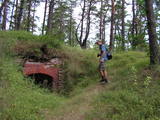 |
Форты строились и преобразовывались на протяжении длительного времени. К строительству фортов руку приложили и немцы, и шведы, и русские. В начале 20 столетия, в 1912 году началось строительство нескольких фортов в Мангальсале и Болдерае. Было построено два форта с 254-мм орудиями, шесть фортов со 152-мм орудиями и три форта со 138-мм орудиями. В каждом форте было установлено по две пушки. Система фортификации Мангальсалы состоит из нескольких частей и раскинулась на довольно широкой территории. Отдельные части системы недоступны, т.к. располагаются на территории садовых участков. Это уникальный исторический памятник, расположенный в столице государства, но в тоже время и забытый, и неухоженный, и труднодоступный, и опасный для посещения. В случае если объект будет оценен по достоинству и ухожен, в будущем он может стать одним их топовых туристических объектов в Риге, ведь Рига – это не только старый город (Вецрига) ...
|
|
 |
Кафе в Энгуре специализируется на разных рыбных блюдах. Во время дегустаций предлагается не менее семи видов рыбных блюд – отбивные, салаты, канапе, котлеты, маринады, пирожки и др. Латышская кухня: Холодный суп, салака в маринаде, жареная камбала, жареная треска, тушеная свинина, тонкие и картофельные блины. Особое блюдо: Солянка от «Буды». |
|
 |
Viena no augstākajām Latvijas celtnēm ar vienu no augstākajiem skatu laukumiem (65 m). Paveras izcila Vecrīgas un Rīgas ainava, kā arī Daugavas (līdz Rīgas HES dambim) un Pārdaugavas skati. Labi redzami blakus esošie Rīgas centrāltirgus paviljoni. |
|
 2 дня
|
Here you will learn about home-based manufacturers, farms, companies and others in Latgale that produce various dairy products such as milk, yogurt, cottage cheese, cheese, ice cream, etc. Start in Preiļi, which is known as Latvia’s cheese capital. The route passes along the Teiči nature reserve, with a viewing tower at the side of the road, also crossing Lubāna wetlands, which are of European importance for environmental protection. Drive on to Rēzekne (churches, a monument to Māra of Latgale, “Gors,” “Zeimuļš”, etc.). Nature lovers will love the Rāzna National Park with Lake Rāzna, Mākoņkalns hill and the master ceramicist Evalds Vasiļevskis. From Dagda, head to Aglona, which is a centre for Roman Catholic worshippers, and Lake Rušons before returning to your starting point. |
|
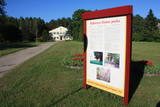 |
В северной части Рубени, на берегах Дзирнавупите разбит парк (формирование начато в 50 годах 20 столетия) с живописными прудами, эстрадой, садом камней и детскими игровыми площадкам. Дом культуры, находящийся рядом с парком, построен в 1969 году. Во время Дней поэзии открыт памятник Райнису (автор - скульптор Карлис Бауманис).
|
|
 |
Из натурального, самими выращенного или купленного у местных крестьян сырья, по методам предков делают яблочное, ревеневое и черносмородиновое вино и черносмородиновый спирт. Во время экскурсии можно познакомиться с процессом приготовления напитков, продегустировать и купить уже готовые продукты в магазинчике хозяйства. |
|
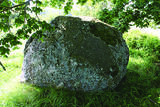 |
Большой чумной камень – с вырубленными письменами (немного еще про-
сматриваются), обращенными к будущим поколениям и повествующими о местном
пасторе того времени, который умер от чумы, и о создании пастората в Сикраге,
который в последствии был перенесен в Мазирбе. Чумной камень является и памят-
ником шести пасторам обширной окрестной общины. Все три камня повествуют о
Великой чуме 1710 года, а письмена на камнях вырублены во времена мазирбского
пастора Петерсона с 1711 по 1734 год.
|
|
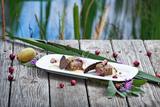 |
Находится в центре Дикли. В построенном в 1896 г. замке, обновленном в 2003 г., обустроена 4-звездная superior гостиница. В замке Диклю можно осмотреть старинную мебель, камин и предметы роскоши, а также выставку картин художников Латвии. В двух ресторанах (летний, зимний) предлагают утонченное меню и индивидуальный подход. Сотрудничают с крестьянскими хозяйствами. Латышская кухня: Говяжий стейк, приготовленная на гриле форель, копченое сало кабана, филе судака из озера Буртниеку. Сезонно предлагаются собранные в местных лесах грибы и ягоды. Особое блюдо: Карбонад из оленины в сиропе из цукатов и луковом мармеладе. |
|
 |
Культурно-образовательные программы центра придают популярность не только традиционной керамике, но и предлагают гостям эдукационные занятия ткачества, шерстяного войлочного производства, изготовления свечей и др. |
|
 |
В Доме рукоделия Хельтермаа, который работает в расположенной в порту Хельтермаа бывшей корчме-чайной (18 век), можно купить творения местных ремесленников и все лето участвовать в работе различных мастерских ( например: изготовление мыла вручную, валяние, печать на ткани с использованием растений и т. д.). |
|
 |
"Ziedlejas" offers sauna treatments and events in the contemporary design Glass Sauna, Smīma Spruce Smoke Sauna and Black Sauna, which is located in an unspoilt corner of the forest. The ritual sauna treatment includes heating, herbal compresses, herbal scrub, big beating, swimming in the pond, massage with healing oil and honey, vibrating with sound, tea, home-baked bread. The sauna treatment lasts four to five hours and is led by a sauna master. Various master classes are possible in connection with sauna rituals and the use of plants in healing and beauty care and the preparation of appropriate preparations. Bicycle rental is available, which includes access to the Ziedleju xc / enduro trails, bicycle training and bicycle guide services. It is also possible to organize and lead team building events, as well as team communication trainings. |
|
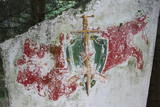 |
В данное время пост береговой погранохраны не используется. На территории сохранился памятник, штаб пограничников и бывшие уборные с деревянными держателями для бумаги. Хороший общий вид пункта погранохраны открывается с высокого вала с южной части поста.
|
|
 |
Пивовар ждет посетителей в красивом уголке, окруженном лесом, озерами и курганами, титулованном Швейцарией Литвы. Пиво «Чижо», которое является легким, нефильтрованным и живым, готовят по традициям прадедов, с мёдом лесных пчёл. Пивовар унаследовал не только рецептуру, но и оборудование, поэтому в своей усадьбе основал экспозицию старинных инструментов для изготовления пива. Посетителей приглашают на экскурсии и дегустации. |
|
 |
Namdaris Rinalds Dundurs būvē, atjauno un restaurē vecās koka ēkas. Veido nestandarta masīvkoka mēbeles, bērnu rotaļlietas un lampas. Darbus veic sadarbojoties ar Latvijas dizaineriem. |
|
 |
Ein einzigartiges Örtchen beiderseits des Flusses Minija, wo der Fluss eine „Hauptstraße” ist. Litauens Venedig. |
|
 |
Хозяйство Pärnamäe, расположенное на острове Кихну, четыре раза удостаивалось титула «Самый красивый дом». Хозяйка готовит домашнюю еду, традиционный для острова Кихну хлеб и копченую рыбу, которую также можно купить на рынке в порту Кихну. Места для ночлега ‒ в трех удобных летних домиках. Зимой здесь ткут уникальные ковры Кихну. |
|
 |
Яунциемс и ранее был небольшим поселением – сегодня здесь обжиты всего несколько домов. Рядом с деревней на правом берегу реки Ирбе находятся зоны отдыха. Яунциемс и Сикрагс объединяет «просека» бывшей узкоколейной железной дороги, где через речку Киканс построен пешеходный и велосипедный мост. |
|
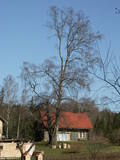 |
This is the thickest birch (Betula pendula) tree in Latvia and can be seen from the Klapkalnciems-Milzkalne road.
|
|
 |
Кафе «Серпантин» находится на обочине шоссе Рига – Вентспилс (A10) около Страздской лютеранской церкви, в красивом здании с широкими окнами. Сотрудничает с крестьянами. Проводятся музыкальные вечера. Латышская кухня: Овсяная каша, картофельные блины, омлет в крестьянском вкусе, крестьянский завтрак, жареная треска, тушеный лосось, жареный кусок свиной ноги, приготовленная на гриле свинина с ревеневым соусом, горячие ревеневые хрустики, сорта латвийского пива. |
|
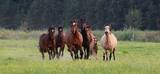 |
The “Dabas zirgi” centre for horse and human welfare is in the historical Mežinieku neighbourhood in suburban Rīga, and it will be a revelation to those who wish to have a sense of belonging related to Latvia and its environment. Touch the forest, enjoy the cool water of the Misa River, encounter a swamp or see the breath of a horse on a foggy morning. You’re welcome to spend a longer amount of time at this venue with new glamping opportunities in a lovely forested area next to the steep shores of the Misa River. This offers complete silence with only the woods and the river nearby. Along with the horses, of course. “Dabas zirgi” offers strolls with a horse, tours involving feeding the animals, as well as horseback rides. Family celebrations are perfect here with a lean-to, a grill, and a pot on a campfire. Contact the venue in advance to arrange for prepared breakfast, lunch and dinner. There is also a sauna with a jacuzzi. |
|


