
| No | Name | Description |
|---|---|---|
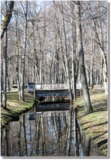 |
Vēršupīte is a small river which curves through the
town of Ķemeri and has more than 10 small and
romantic bridges across it – each with its own name.
|
|
 1 day
|
Tūrisma gide Ineta Jansone piedāvā ekskursijas grupām pa Raganu purvu. Izveidota taka uz sēra dīķiem (koka celiņi 800 m garumā). Ekskursijas laikā Jūs uzzināsiet par augstā tipa purvu un unikālu biotopu – sēra avotu izplūdes vietu Ķemeru Nacionālā parka teritorijā. Šeit sastopami savdabīgi purva ezeriņi, piesātināti ar sēra baktēriju radītām nogulsnēm. Ezeriņu krastos sastopami īpašu sugu augi. Sēra dīķu apkaimē var sajust gaisā sērūdeņraža smaržu. |
|
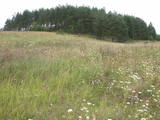 |
This partly forested hillock stands 40 metres above the surrounding area and offers impressive views. The fact that this was once a castle hill is attested by the presence of a moat and remnants of defensive fortifications. It is thought that Lettigalian tribes settled here in the 10th century AD. You can climb the hillock to take a look at the surrounding landscapes. |
|
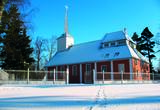 |
Roman Catholic Church of Divine Grace – On 19 April 1998, the so-called “White Sunday” or the Day of Divine Grace, Saulkrasti Roman Catholic Church of Divine Grace was consecrated. The building is 24 m long and its tower is 16 m high. The 300-seat church was designed by the architect Jānis Šrēders. The image of Christ on the altarpiece was derived from the vision of the saint, Sister Faustina, of 22 February 1931 in a monastery in Poland. The altarpiece was created by the artist Ēriks Pudzēns. 14 paintings on the walls of the church depict Christ’s path of suffering from conviction to resurrection. The altar is built of ash. On 2 August 1998, a 7.38 m tall cross was consecrated by Saulkrasti Roman Catholic Church of Divine Grace. At night this cross is illuminated. The cross is similar to the cross of Golgotha in Jerusalem where Jesus Christ was crucified. |
|
 |
Sēlijā, pie Slates sila, atrodas "Kalnaleiskini". Saimnieks Mārtiņš Uzkurs ir galdnieks, bet sieva Lelde - dizainere abu kopējā galdniecības uzņēmumā un Latvijas Ornitoloģijas biedrības biedre ar pieredzi ekskursiju vadīšanā. |
|
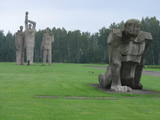 |
A Nazi concentration camp was at this location during World War II, and there is information to suggest that more than 50,000 residents of occupied Europe were murdered here. This is one of the largest ensembles of its type, taking up 25 hectares of land. It was opened in 1967 and has large groups of sculptures, including “Mother,” “Solidarity,” “Unbroken One” and “The Path of Suffering.” The wall of the entrance gates has a thematic exhibitions. |
|
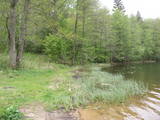 |
The most important aspect of the Sasaļi forest is the eutrophic Lake Sasalis, as well as the unusual Lake Melnezers. Also of importance are various types of forestland in the area. Lake Sasalis is a popular place for leisure and swimming.
|
|
 1 day
|
Dodieties ekskursijā, lai gūtu ieskatu lauku profesijā un dzīvesveidā, kā arī iegūtu jaunus iespaidus un labu atpūtu visai klasei. Ekskursijas laikā apmeklējiet podnieku, kurš skolēniem māca, kā praktiski darboties ar rokām, kā no māla izveidot skaistu darbus ar saviem parakstiem un zīmējumiem. Pēc tam apmeklējiet maiznīcu, kur saimniece piedāvā maizes degustāciju un picu cepšanu. Ekskursijas noslēgumā dodieties uz agro saimniecību, lai redzētu, kā siltumnīcās tiek audzēti tomāti, izmantojot mūsdienīgas fotosintēzes tehnoloģijas. |
|
 |
Wooden slat weaving workshop is located in Jelgava county, Sesava parish. Craftswoman is making different type of wooden slat baskets and basketry from pine, linden, aspen and black alder. There are several different categories of baskets, available in different sizes - picknick baskets, baskets for berry and mushroom picking, trays, baskets for firewood, laundry baskets, onion / garlic baskets, baskets for kids, and diverse baskets for daily use. Various inscriptions and drawings are also made on the weavings. They also accept orders for individual orders. In the workshop it is possible to see the wooden slat basket weaving process as well as have the opportunity to learn to make your own basket. |
|
 3 days
|
From Riga the route goes to the historic Estonian sea resort and then by ferry to Muhu island. On the way there is ethnographic village of Koguva, the Liiva church and the elegant Padaste Manor. Overnight at Muhu island. 28 km cycling there juniper fields, its small fishing villages, and the magnificent Juigu cliffs, which open up a view of the other small islands in the Monzunda archipelago. Then drive to Saaremaa and stay in Kuressare, the island's capital. There the rooute covers such attractions as Kaali meteorite crater, impressive Valjala church and castle mound, Piretikivi rock and Poide church. Cycle along the Tagameisa Peninsula, up to 30 km. Driving to the ferry take a loop along Viidumae National Park with its viewing tower, Kihelkonna Church, the Odaletsi streams and nature trail and the dolomite Panga cliffs. |
|
 |
Here you can taste the best flavours of the beer kitchen Pihtla, traditional Saaremaa house beer, and also Saare cheese, Fresco ice-cream, apple lemonade and other local delicacies. |
|
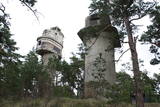 |
This battery is easiest to find if you walk on the beach, because one of its four positions is right there, rinsed by the waves of the sea. Other positions, including a telescope tower, are in the pine forest not far from the coast. The battery was installed in the 1940s, and you can see the Northern Forts from here.
|
|
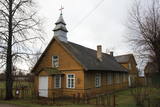 |
Atrodas Rucavas galvenās ielas malā, netālu no centra.Rucavas draudzi dibināja 1871. gadā, bet izmēros nelielo dievnamu uzcēla 1888. gadā. |
|
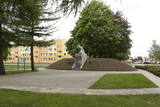 |
The monument is on the side of Rīgas Street in the centre of Piņķi. It is dedicated to May 22, 1919, when, after a pause of nearly two months, a brigade commanded by Col Balodis headed for Rīga to rid the capital city of the Bolsheviks. The brigade was supposed to receive support from the German Landeswehr, the German Iron Division, and the units of Prince Lieven from Russia. The first monument was unveiled by Latvian President Kārlis Ulmanis on May 23, 1939. It was destroyed by the Soviet regime in 1951, but a copy was installed in 2003 (sculptor J. Briedis, copy by O. Skarainis). |
|
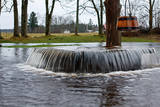 |
Tuhala region has settlements of about 3000 years of age. There are 11 ancient settlement sites, 30 cult stones, 3 burial sites, 4 sacred groves, etc. Tuhala Landscape Reserve has a unique natural feature - the Nõiakaev (Witch´s Well) which “boils” up water during floods at 100 l/s, and 5 mightiest energy columns of the country. |
|
 |
The farmstead "Vitolini" specializes in horse breeding, as well as horse-riding lessons. It is possible to go horse-riding in the forest or to take a ride in a horse team. |
|
 |
Sääniku farm recreation centre is located on the banks of the Kavilda former river course, and is a great place to spend free time with the family, enjoying activities and nature. You can taste the house beer, home-made bread and order meals here. |
|
 |
The restaurant is in the Promenade Hotel, which was established at historical port docks in Liepāja. It works with local farmers and fishermen and offers live music on weekends. Latvian cuisine: Mutton soup, baked plaice or catfish filet, cod prepared according to traditional fishermen’s recipes, crepes. Special foods: Freshly caught fish with grilled vegetables. |
|
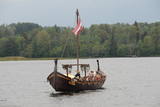 |
To view the Daugava River from a different perspective, visit the Liepkalni bakery, which offers tours in a Viking longboat that is called “Lāčplēsis” and can carry up to 24 people. The Daugava has always been an important transport corridor for many species and animals that arrived in Latvia because of that, as well as for people and tribes that lived along the banks of the Daugava River and the shores of the Baltic Sea. |
|
 |
Saimniecības drava atrodas netālu no Isnaudas pagasta Bobišiem, dabiskā vietā, kur dabiskā vidē nav lauksaimniecībā izmantojamo zemju un citu objektu. Bišu iegūtā produkcija tiek pārstrādāta Zilupē, Sila ielā 4, kur saimnieki uzņem ekskursijas un var iegādāties saražotos labumus. Saimniecība ir bioloģiski sertificēta. Iegūst liepu un dažādziedu medu. |
|


