
| No | Name | Description |
|---|---|---|
 |
True Latgalian Apple Cider from Malnava Manor Our Story Apples Cider For Visitors Where to Buy |
|
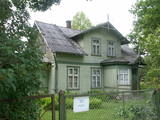 |
This is the one street in Ķemeri where the towns' wooden buildings have been preserved to the greatest degree. Turning onto Durbes Street from Karogu Street, you will find the Miervaldis Ķemers Museum, which is focused on the well known Latvian cultural activist, pastor and painter (1902-1980). The museum is at Durbes Street 21. |
|
 |
The potter embodies traditional pottery skills. He offers candlesticks and two-prong lighting elements, and he uses milk in his work. You can take a tour, purchase products, and take part in the opening of the kiln. |
|
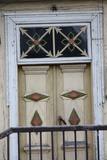 |
Ein schönes Holzhaus (Baznīcas ielā 7), gebaut 1670 an der sogenannten Venedig-Brücke in Kuldīga über den Fluss Alekšupīte. Auf dem Dach des Hauses befindet sich eine der ältesten und schönsten Windfahnen der Stadt. |
|
 |
The farm is located in a beautiful place, the food is delicious and the owners – very nice people. Guests are also provided with accommodation and a sauna. The farm grows and processes agricultural products. |
|
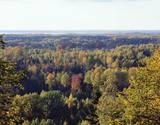 |
This is the highest point in the Latgale highlands (289 metres above sea level), opening up a narrow but lovely view of Lake Rāzna and the massive forests of the highlands. You really should visit this hill when the sun is setting beautifully!
|
|
 |
Piedāvā ļoti gardus Lietuviešu tradicionālos ēdienus. Var pieņemt līdz 300 personām. Ir āra terase un dzīvā mūzika. Pieņem bankas kartes, pieejama autostāvvieta. |
|
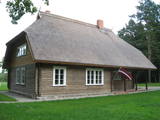 |
“Airītes” is a museum found at the place where the first commander of the Latvian Armed Forces, Col Oskars Kalpaks and other Latvian soldiers (including three officers) fell during a battle on March 6, 1919. The public donated money in 1920 to build a monument, and it was unveiled on September 3, 1922. In 1935, work began on a building that was proposed by the Col Kalpaks Battalion organisation, the plan being to exhibit items related to Kalpaks’ battles. It was opened a year later. The monument was destroyed during the Soviet era, and the building housed a post office and some flats. The memorial was restored during the national Renaissance in 1988 and 1989, and on November 11, 1990, the museum was reopened. During renovations in 2007, the second floor burned down. The museum and exhibition were renewed in 2013. The exhibits speak to Kalpaks’ life during World War I and Latvia’s liberation battles. Employees regularly organise commemorative events in honour of Kalpaks, as well as celebrations of Lāčplēsis (Veterans’) Day. |
|
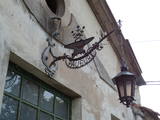 |
The craftsman produces practical and household items on the basis of Latvian ethnography, also continuing old traditions related to Latvian blacksmith operations. You can forge your own nail or horseshoe. |
|
 |
Baltijas valstīs lielākie brāļu kapi, kur izveidots (1974. - 1984. g.) piemiņas memoriāls (tēlniece P. Zaļkalne, arhitekti A. Zoldners, E. Salguss un dendrologs A. Lasis) 8 ha platībā. Šeit apglabāti ~ 23 000 cīņās par Kurzemes cietoksni jeb Kurzemes katlu (1945. g. pavasaris) kritušie Sarkanās armijas karavīri. Memoriāla centrā novietots12 m augsts Mātes - dzimtenes tēls, bet uz granīta plāksnēm iegravēti kritušo vārdi, starp kuriem ir atrodami arī daudzi mūsu zemes un kaimiņvalstu dēlu vārdi un uzvārdi. |
|
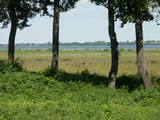 |
There are three large lakes at the centre of this park – Lake Dusia, Lake Metelys, and Lake Obelija. Lake Dusia has very clear and transparent water, and its southern and south-eastern beaches are popular among swimmers. The lakes and their nearby wetlands are important during the migration season of birds.
|
|
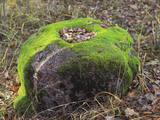 |
Zīleņu Sacrificial Boulder.You will find it on Zelenpole Golden hill beside the escarpment. The boulder
has an annular curvy. It was an ancient Latgalian cult place where people sacrificed to Gods, released themselves
from the bad things and took a positive energy.
|
|
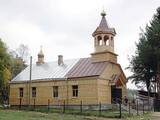 |
Viļāni Old-Believers Prayer House. The architect P.Pavlovs built Old-Believers Prayer House in 1930s.
The congregation was established very recently. Nevertheless the 14 meters high tower was constructed in
2004. The Prayer House is a very simple building but you will be pleased to see the magnificent icons. The
Prayer House has been renovated completely.
|
|
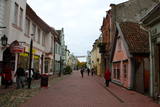 |
Most popular Estonian resort with wide range of leisures and SPA offers. One of the rare Estonian sandy beaches. The Old Town has the main walker street - Rüütli tee. |
|
 |
The restaurant, located on the bank of the River Lielupe in Jūrmala, offers modern Latvian cuisine and local produce. The special offer of the restaurant is smoked meats that are made based on traditions and years of experience. The restaurant is included in the prestigious Nordic White Guide, as well as in the Top 30 of Latvian Restaurants in 2019. |
|
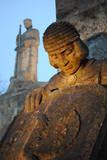 |
Brāļu kapos apbedīti aptuveni 2000 karavīru. Pirmos kritušos strēlniekus — Andreju Stūri, Jēkabu Voldemāru Timmu un Jāni Gavenasu — apbedīja 1915. gada 15. oktobrī. Sākot ar 1915. gadu, kapos sāka apbedīt Pirmā pasaules kara kaujās kritušos strēlniekus, vēlāk Februāra revolūcijas laikā nošautos kareivjus. Stučkas valdības laikā 1919. gada pavasarī šeit apbedīja Brīvības cīņās pret vācu vienībām un Dienvidlatvijas brigādi kritušos latviešu strēlniekus. Pirmās Latvijas brīvvalsts laikā Brāļu kapos apbedīja ap 800 Latvijas armijas kareivjus un virsniekus. 1941.—1942. gadā Brāļu kapos apbedīja 15 nacionālos partizānus, kā arī pārapbedīja komunistiskā režīma terora upurus. Līdz 1944. rudenim šeit apbedīja arī vairākus desmitus bijušās Latvijas armijas virsnieku un karavīru, kuri bija dienējuši Latviešu policijas bataljonos un Latviešu leģionā. Abās pusēs ieejas vārtiem (augstums 10 metri, platums 32 metri) divas jātnieku skulptūru grupas (augstums 3,3 metri). Liepu gatve (205 metri) savieno vārtus ar galveno terasi, kuras centrā novietots 1 metru augsts mūžīgās uguns altāris, bet abās pusēs ozolu birzis. No terases abpusējas kāpnes ved uz regulāri veidotu kapulauku. Tā malās atrodas divas "Mirstošo jātnieku" skulpturālās grupas (augstums 3,6 metri), vidus daļā atrodas augstcilnis "Kritušie brāļi". Pret katru kapa vietu novietota smilšakmens vai plienakmens plāksnīte ar kritušā uzvārdu un vārdu vai uzrakstu "Nezināms". Ansambli noslēdz 6 metrus augsta siena ar Latvijas apriņķu un pilsētu vēsturiskajiem ģerboņiem. Pie sienas atrodas četri senlatviešu karavīru tēli, kas simbolizē Latvijas novadus - Kurzemi, Zemgali, Vidzemi un Latgali, bet tās centrā uz 9 metrus augsta sienas masīva paceļas monumentāla figūra "Māte Latvija", kas noliekusi vainagu pār kritušajiem dēliem. Brāļu kapu memoriālais ansamblis ir izcirsts no Allažu šūnakmens, izmantots arī Itālijas travertīns un smilšakmens. Pirmmetu izstrādāja tēlnieks Kārlis Zāle, arhitekts Aleksandrs Birzenieks, Pēteris Feders un Andrejs Zeidaks. |
|
 |
ZS "Jundas" Bauskas novada Vecsaules pagastā saimniecisko darbību uzsāka 2016. gadā. Audzē gaļas šķirņu krustojumu liellopus, tos nobarojot gaļas ražošanai. Strādā atbilstoši bioloģiskas saimniekošanas prasībām. |
|
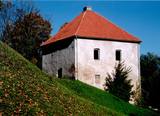 |
The square structure with walls that are nearly two metres thick became known as the Gunpowder Tower during the rule of Duke Jacob, because that is what was stored here. There might have been a well here, because groundwater is close to the surface. The tower and the castle were linked by a 12-metre bridge on one pillar. The tower is only visible from the outside. |
|
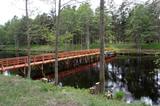 |
This is an artificial body of water that was dug in the 1960s to obtain ice for fish processing plants in Kolka. |
|
 |
Iespēja ielūkoties audējas, rokdarbnieces, ekoloģisko rotaļlietu radītājas, tekstilmākslinieces projekta “100 deči Latvijai” autores Anneles Slišānes senajās Latgales lauku mājās.
|
|


