
| Nr | Nosaukums | Apraksts |
|---|---|---|
 |
Bistro un konditoreja - kafejnīca "Silva" atrodas Jelgavas pilsētas centrā. Vasarā ir pieejama āra terase. Cep svaigas smalkmaizītes, kūkas, kliņģerus, plātsmaizes, pīrādziņus un cepumus. Sadarbojas ar vietējiem ražotājiem. Latviešu virtuve: Speķa pīrādziņi, kartupeļu pankūkas, miežu – kartupeļu biezputra ar speķa mērci, uzpūtenis ar pienu. Ziemas saulgriežu laikā – pelēkie zirņi ar speķi. Īpašais ēdiens: „Hercoga bura” – krāsnī cepta cūkgaļa ar karamelizētiem skābētiem kāpostiem, ceptiem dārzeņiem un saknēm, brūkleņu biezeni un mārrutkiem. |
|
 |
Metāla tornis Kazari upes kreisajā krastā, ~ 5 km attālumā no Matsalu līča. No torņa redzamās Kazari deltas palieņu pļavas atrodas tikai 0,3 – 1 m augstumā virs jūras līmeņa, tādēļ pavasara palos un stipru vētru (īpaši rietumvēju) laikā ūdens appludina milzīgu teritoriju. Uzskata, ka platības ziņā šīs ir vienas no lielākajām Eiropas palieņu pļavām, kas ir nozīmīga dažādu tārtiņveidīgo putnu sugu ligzdošanas, dzērvju un zosveidīgo putnu atpūtas un barošanās vieta. Ir pagājis laiks, kad zemnieki Matsalu pļavās ganīja govis un pļāva sienu, tādēļ šobrīd pļavu apsaimniekošanu veic nacionālā parka administrācija. |
|
 |
Daiļdārzs meklējams Daudzevas ciema ziemeļdaļā, aptuveni 0,3 km ziemeļrietumos no Daudzevas dzelzceļa stacijas. „Gundegu” māju saimniece savā īpašumā ir izveidojusi skaistu un ainavisku daiļdārzu, kurš izplānots vairākās, savstarpēji telpiski nošķirtās daļās, kurās aug krāšņumaugi, skujeņi, ogulāji un augļkoki. Savukārt, siltumnīcās gatavojas arbūzi, tomāti, paprikas un citi dārzeņi. Apmeklētāji saimnieces pavadībā var iepazīt dārzu, atpūsties lapenē, bet īpaši interesenti – saņemt vērtīgu padomu un kādu stādu. |
|
|
|
Unikāla ar savu 17. gs. attālāk no baznīcas celto zvanu torni. |
|
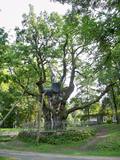 |
Stelmužes muižas parks izveidots 18.gs. vidū uz dienvidiem no Stelmužes ezera. No visām pusēm uz pakalna esošo Jēzus tā Kunga krusta baznīcu ved līkumotas takas, augu valstī dominē liepas, kļavas, ozoli, gobas, bērzi, egles, oši, priedes. Stelmužes muižas parka pakalna pakājē atrodams Laimes avots, var pastaigāt pa ozolu aleju. Stelmužes ozols – vecākais un resnākais Lietuvā augošais ozols ir viens no senākajiem ozoliem Eiropā. Lēš, ka tā vecums ir ap 1500 – 2000 gadiem, tā diametrs ir rekordliels – 3,5 m (lai stumbru apņemtu, vajag 8 – 9 vīrus), augstums 23 m. |
|
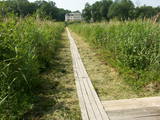 |
Pie Lielauces muižas sākas laipu taka, kas pa purvaino (pārejas tipa purvs) Lielauces ezera krastu aizved līdz laivu novietnei pie ezera atklātās daļas. Var nomāt laivu un makšķerēt, jo zivju krājumi tiek regulāri atjaunoti. Atrodas Vīķu purva dabas liegumā. |
|
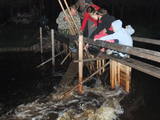 |
Dažāda lieluma grupām piedāvā došanos jūrā ar zvejnieku laivu un piekrastes zvejas gaitas vērošanu. Uz Svētupes taisītais nēģu tacis atšķiras no Salacas tačiem pēc uzbūves un zvejas principiem. Sezonas laikā kūpina un gatavo gardus nēģus. |
|
 |
Reta galda vīnogu kolekcija un degustācija, ainaviska dārza apskate un stāstījums par ķirbjaugu, čilli un tomātu šķirņu kolekciju. Kolekcijā ir 120 šķirņu tomātu, 20 šķirņu paprikas un aso piparu, 140 šķirņu ķirbjaugu. Degustācijas galds - sukādes, čilli, interesanti ievārījumi un pašu fermentētas tējas. |
|
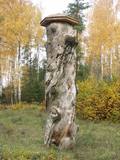 |
Priede bija sasniegusi 4,63 m apkārtmēru un līdz 1951. gadam (nokalta) bija resnākā Baltijas priede.
Viens no retajiem tik veciem kokiem, kuram ir tik precīzi (izskaitot gadskārtas) noteikts vecums - 370 gadi! Tagad par kādreizējo dižkoku liecina vairs tikai piemiņai atstāta un iekonservēta stumbra daļa ceļa malā. Priedes stumbra šķērsgriezuma ripa apskatāma Latvijas Dabas muzejā un Latvijas Etnogrāfiskajā brīvdabas muzejā.
|
|
 |
„Skaļā klusuma mājā“, kura atrodas senās Nevežas gravas nogāzē, tiek gatavots „laimīgais ēdiens” no visa, kas tiek audzēts saimniecībā. |
|
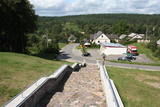 |
Arī sena apdzīvota vieta Nemunas kreisajā krastā. Līdz Liškavai var nokļūt no Druskininku vai Merķines puses, kur pāri Nemunai uzcelti tilti. Liškavā atrodas nozīmīgs vēstures pieminekļu kopums. Pazīstamākie ir Liškavas baznīca un klosteris (Liškiavos bažnyčia, vienuolynas). 1697. g. Liškava tika uzdāvināta Seiņu (Seinų) dominikāņu klosterim. Divus gadus vēlāk te ieradās un uz dzīvi apmetās dominikāņu mūki, kas laikā no 1704. – 1720. g. uzcēla tagad redzamo mūra baznīcu iepriekšējās koka baznīcas vietā. Laikā no 1699. – 1741. tai blakus uzcēla dominikāņu klosteri. Padomju laikā tajā izvietoja gan skolu, gan atpūtas bāzi, gan šūšanas darbnīcas. Mūsdienās ēku komplekss tiek atjaunots, darbojas baznīca (apskatāma no iekšpuses un pazīstama ar septiņiem rokoko stila altāriem) un klosteris. Te piedāvā arī „laicīgus” pakalpojumus - viesu namu, konferenču un semināru zāli, ekskursijas u.c. No klostera pagalma paveras plašs skats uz Nemunas ieleju. Dienvidrietumos no baznīcas atrodas divi ar dziļu Nemunas ielejas sānu gravu nošķirti pauguri – Liškavas svētkalns (Liškavas alkakalnis) un Liškavas pilskalns (Liškiavos piliakalnis), kurus savieno taka. To piekājē atrodas kuģīša piestātne, kas vasaras laikā kursē no Druskininkiem līdz Liškavai. Liškavas pilskalnā ir saglabājušās 14. gs. beigās Vitauta Dižā vadībā celtās un tā arī nepabeigtās pils drupas (torņa fragments). Pils savu stratēģisko nozīmi zaudēja pēc Grīnvaldes kaujas. No pilskalna un svētkalna paveras labs skats uz Nemunas ieleju un Liškavas baznīcu. Senvēstures pētniekiem noteikti ir jāuzmeklē arī kultakmens ar govs pēdu. |
|
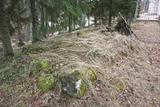 |
Teikām un spoku stāstiem apvīta vieta Veco kapu kalniņā pie Mazirbes baznīcas – sens ar akmeņiem apkrauts kaps – it kā vienīgā Latvijā zināmā vilkača kapa vieta. |
|
 |
Meklējams Zirgu salas dienviddaļā – uz t.s. Golodova dambja. Tornis pieejams kājāmgājējiem un velobraucējiem. Automašīna jāatstāj pie Ezermalas ielas. No torņa redzams plašs skats uz daļēji aizaugušo Liepājas ezera ziemeļdaļu. Laba putnu vērošanas vieta. Ietilpst Liepājas ezera dabas lieguma teritorijā. |
|
 7 dienas
|
From Riga airport the tour goes straight into countryside to Jaunmoku manor, surrounded by an attractive park. Next day, birding starts at Ķemeri National Park, including wet-forest areas and locations around Lake Kaņieris and Ķemeri village. Then the route follows the west coastof the Gulf of Riga with some small stops along the way and longer walks at Mērsrags. Next you spend some time at Cape Kolka and its surroundings which is a prime migration spot. Visitthebroad-leafforests of Slītere National Park around the ancient coast of the Baltic Ice Lake and drive through Užava floodplain fields, then stop at the westernmost point in the country, Akmeņrags. The tour continues to Liepaja and Pape Ornithological Station and lake where it is possible to spend a night watching the owl migration if it has started. Then we drive through Zvārte wooded area and make some stops at fish ponds on the way back to Riga. |
|
 |
Saimniecībā "Jauncaunes", Ogres novadā, grupām, kā arī individuāliem apmeklētājiem tiek piedāvāta atpūta brīvā dabā, iepazīstot un izmēģinot metamos ieročus, šaušanu ar dažāda veida lokiem, arbaletiem un pneimatiku. |
|
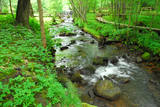 |
No koka laipām un tiltiņiem veidota taka Ieriķupītes skaistākajā posmā ar vairākiem ūdenskritumiem un kāplēm, vecajām dzirnavām, unikālo dzirnavu taku, kā arī dažādu šķēršļu „joslu” aktīviem cilvēkiem gida pavadībā. Lašveidīgo migrācijas laikā – piemērota to vērošanas vieta. Tumšajā diennakts laikā (nedēļas nogales, ziema) taka ir apgaismota, radot teiksmainu noskaņu. |
|
 |
Atrodas vēsturiskā rātslaukuma dienvidu malā. Jaunā rātsnama celtniecība (itāļu renesanses stilā, arhitekts O. Dīce) tika pabeigta 1860. gadā. Iespaidīgo celtni, kas nulle kā atjaunota, ir vērts apskatīt gan no āra, gan iekšpuses. Ir restaurēts rātsnama pulkstenis, ārējā fasāde, iekšējie interjeri un Lielā zāle. |
|
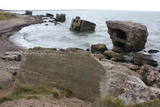 |
Viena no Latvijas vizuāli izteiktākajām krasta aizsardzības baterejām. Kādēļ? Tās pozīcijas un atsevišķie elementi ir vai nu pilnībā vai daļēji ieskaloti jūrā, radot Latvijas jūras krastam neparastas ainavas. Sevišķi iespaidīgas tās ir vētru laikā. Diemžēl, bet šis vēstures piemineklis ir pakļauts dabas spēku varenajām norisēm. Batereja redzama arī no Liepājas Ziemeļu mola. Vērts doties nelielā pārgājienā gar jūru uz 4 km attālajiem Ziemeļu fortiem, kur pa ceļam ir apskatāma arī 23. Krasta aizsardzības baterejas pozīcijas.
|
|
 |
Piemiņas vieta 1. pasaules kara upuriem Klapkalnciema – Tukuma ceļa malā. |
|
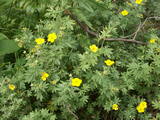 |
Purvs, kurā izplūst sērūdens avoti, izveidojies Abavas ielejas kreisā krasta nogāzes lejasdaļā. Tā ir vienīgā vieta, kur Latvijā savvaļā aug aizsargājama augu suga – krūmu čuža. Tās audzes aizņem aptuveni 1/5 daļu no lieguma teritorijas. Teritorijā ietilpst arī apkārtnes meži, dažādu tipu pļavas, Čužu sērūdeņu avoti, kā arī sēravots – „Velna acs”. Teritorijas apskates nolūkos ir izveidota un labiekārtota dabas izziņas taka. Dabas liegums atrodas Abavas senlejas dabas parka teritorijā (sk. sadaļu "Dabas parki"). |
|


