
| No | Name | Description |
|---|---|---|
 |
A former pharmacy recalls the fact that Ķemeri at
one time was a spa of allSoviet importance. Symbols
devoted to the subject of pharmacies are still on the wall.
|
|
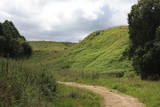 |
Found on the right bank of the Daugava, approximately half a kilometre upriver from the Skrīveri Agricultural Institute, the hill is in a place where the bank of the Daugava River Valley is split by the deep Ašķere stream valley. The castle hill was occupied beginning in the first millennium BC, with antiquities from the Lettigalian and Livonian tribes found there. During the 13th century, a brick castle was built on the hill, but it was sacked during the 17th century. Nothing remains of the castle. The castle hill is also known as Raven Hills, and it offers one of the most beautiful views of the central part of the Daugava. In the direction of Rīga, there is a field with a white cross that represents an ancient church. There is a hiking trail along the Ašķere stream. The area is well improved with four trails. The longest is the Daugava trail (10 km). |
|
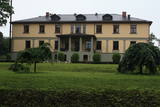 |
The origins of the castle that was built in the style of Classicism date back to 1784. Later it was rebuilt into a two-story building with a portico with four columns at its centre. A new period in the development of the state began in 1993, when restoration of the buildings began. The estate currently houses a children’s village, while the mansion is now a hotel.
|
|
 |
Rokdarbniece Vineta Meistere piedāvā apskatīt, pasūtīt un nopirkt gleznas, dienasgrāmatas un recepšu grāmatas, kas izšūtas krustdūriena tehnikā. |
|
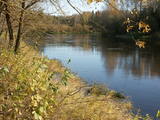 |
Teritorija, kas aptuveni 20 km garumā „piekļāvusies” abiem Aiviekstes upes krastiem. Dabas parka galvenā vērtība ir palieņu pļavas (un citi pļavu biotopi), kas ir ļoti nozīmīga daudzu augu un dzīvnieku (īpaši – putnu) sugu dzīves vieta. Ūdenstūristiem, kas laivo pa Aivieksti, nakšņošana ir jāplāno tikai šim mērķim paredzētās vietās!
|
|
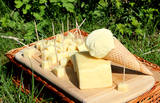 |
This summer terrace café is on the beach of the Preiļi park, and it offers 100% natural ice cream with berries, as well as fresh pancakes. The café is only open from Mother’s Day (May 8) until Father’s Day (September 11). Tourist groups are offered tours and tastings of cheese-based ice cream. |
|
 |
Atrodas uz Imulas upes un celtas 19. gs. sākumā. Uz dzirnavu vārtu staba redzama tēlnieces D. Ezergailes veidota pūce. Pūces dzirnavās savulaik uzņēma pazīstamo latviešu mākslas filmu Likteņdzirnas.
|
|
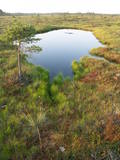 |
This territory was established to protect the rare tree specie in Latvia - common hornbeam, which covers approximately 4% of the territory, but the most visually interesting part of the area is the Tīrspurvs swamp, also known as the Dunika heath. This is where the visitor will find Latvia’s longest and most impressive swamp footpaths, which crosses the area from the North to the South. Visitors will be fascinated by the unique landscape of the central part of the swamp, where in some places there are not even small swamp pine trees. Various habitats will be found – small swamp lakes, mineral islands, marsh pools, etc., and that is to say nothing of all the birds in the area. |
|
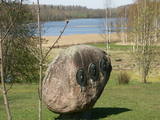 |
The main goal of the Vestiena protected landscape area is to protect the landscape values in the Vidzeme highlands. The protected area is in the middle of the Vidzeme highlands with the highest and most prominent relief, including Gaiziņkalns, the highest spot in the country. The many lakes found in the area - Viešūrs, Talejas, Kāls, Pulgosnis and others – not only add to the variety of the landscape, but also offer tourism and recreation options. The Vestiena protected landscape area encloses several other especially protected/Natura2000 sites – the Gaiziņkalna nature park, the island of the lake Kāla, the lake Ilziņa restricted natural area. Among the most interesting tourist attractions are the Vestiena estate, the Piekūnu wandering trails, the Gaiziņkalna nature trail. The area is rich in landscapes, however, there are no viewing spots or towers installed to observe the landscape. On the top of the Gaiziņkalns, the Latvia’s highest spot, there still stands the wreck of the former viewing tower.
|
|
 |
This venue organises seminars, courses and activities related to Latvian holidays and family celebrations. There are master’s classes about culinary heritage in
|
|
 |
The Sutru Berry Garden is in the Sutru Parish in the Līvāni Administrative District. It grows blackberries in tunnels, which means that the berries ripen far more quickly than elsewhere in Latvia. You can purchase berries on site. |
|
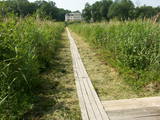 |
Near the Lielauce manor house start of a wooden pathway which crosses the transition-type swamp that is on the shore of Lake Lielauce to a boating facility near the open part of the lake. Boating and fishing are possible – here, too, the population of fish is regularly restored. The area is a part of the Vīķi swamp restricted zone. |
|
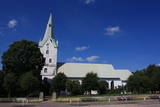 |
Atrodas pilsētas centrā - Tirgus laukuma malā. Dievnams tapis 1495. g., pēc Livonijas ordeņa mestra Valtera fon Pletenberga (~ 1450. – 1535.) pavēles. Gadsimtiem ritot, ēka pārbūvēta un tagad redzamais tornis celts 1907. g. Baznīcā apskatāmi nozīmīgi kultūrvēstures pieminekļi: altārglezna “Golgāta” - H. Kīperta darināta kopija (pēc K. Arnoldi Kandavas luterāņu baznīcas oriģināla (1864. g.)), muižniekam Fīlipam Drahenfelsam veltīta epitāfija (B. Bodekers, 16. un 17. gs. mija), A. D. Tīzenhauzenas kapu plāksne (1648. g.), kristāmtrauka pamatne (18. gs.) un piemiņas plāksne 1. pasaules karā un Latvijas Brīvības cīņās kritušajiem draudzes locekļiem (1925. g.). Ap Tirgus laukumu (atjaunots, jauka strūklaka) izvietojies Dobeles vēsturiskais centrs. |
|
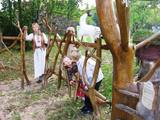 |
This park is a network of farms in Kaika area where visitors can learn about healthy life styles and alternative medicine. Farms have programmes on using herbs and leech in therapies, on the magical worlds of bees and mushrooms, spells and meditation. In workshops you can learn to use weeds in cooking, make bread and herbal drugs. Individual travellers are welcome to explore the farm on their own. |
|
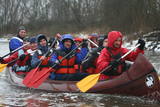 |
The company runs wildlife tours: kayak trips at sea in summer, bogshoeing in bogs in autumn, snowshoeing trips in winter and canoeing on rivers in spring. |
|
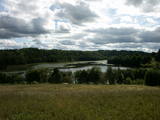 |
Ilziņš jeb Vestienas dzirnavezers pazīstams ar nostāstiem par tajā "periodiski uzpeldošām kūdras salām". Saskaņā ar vietējo iedzīvotāju sniegtajām ziņām, minētā parādība gan sen jau vairs nav novērota. Tajā pat laikā ezers un tā apkārtne ir nozīmīga daudzu aizsargājamu biotopu un sugu dzīves vieta. Ezers ietilpst Vestienas aizsargājamo ainavu apvidū. Ezeru var redzēt, braucot pa Ērgļu - Gaiziņkalna ceļu. Var pakāpties arī blakus esošajā paugurā (ziemeļos no minētā ceļa un ezera), no kura paveras plašāka skatu perspektīva.
|
|
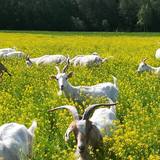 |
The farm breeds dairy and meat goats. They make yogurt, cheeses from the goat milk. They also make ecological organic goat's milk soap. In the farm they also grow rhubarb and make syrups and juices from it. You can take a tour, view the animals, taste milk, yogurt, various cheeses, meats sausages, etc.) and purchase the products, as well. |
|
 |
The farm offers various goodies, including cheese, butter, cream, cottage cheese and fresh eggs. |
|
 |
Mill of Count Borh. Count Borh built the three- storey mill in the
end of the 18th century not far from the castle of Varakļāni. Here you
can see how the flour was milled in past centuries.
|
|
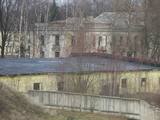 |
The Swedish army built a modern fortress during the 1640s with five bastions and two gates. There were 120 cannons and mortar throwers, barracks for soldiers, flats for officers, a garrison church and warehouses for food at munitions. After the Great Northern War in 1710, the fortress was taken over by the Russian army. After the Soviet occupation in 1940, the Soviet navy took over the fortress. Alongside it is a former Soviet army facility with abandoned buildings and a monument to sailors who served in submarines. The fortress is open for tours on Saturdays and Sundays. |
|


