
| Nr | Nosaukums | Apraksts |
|---|---|---|
 |
Saimniecība „Raudiņi” ir vieta, kur atpūsties mājīgā un klusā vietā starp jūru un mežu 10 minūšu brauciena attālumā no Rojas. Lai arī laika gaitā "Raudiņos" audzēti zirgi, kā arī ir nodarbojušies ar lopkopību, zemkopību un puķkopību, galvenā nodarbe šobrīd ir lauku tūrisms. Šeit iespējams atpūsties kopā ar ģimeni un draugiem (nelielā kompānijā), rīkot saliedēšanās pasākumus vai sporta spēles, gatavot gardu maltīti āra terasē uz īstas malkas plīts vai kamīnā. Vakarā vērot saules lēkta atspīdumu koku galotnēs. Nakšņošanai piedāvā viesu namiņus, siena matračus vai nomāt telts vietas un pie jūras sagaidīt saullēktu. Klusums, miers un dabas veldzējums "Raudiņos". |
|
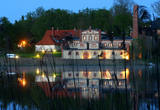 |
Šajā vēsturiskajā namā Mostes muižā (1909) ir mājas Igaunijas Foto Tūrisma Centram. Viesu māja otrajā stāvā piedāvā ērtas istabas ar visām ērtībām. |
|
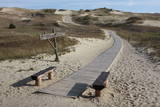 |
Aiz Gārņu kalna Kuršu jomas pusē sākas ~ 9 km garš klaju un smilšainu kāpu posms, kas ir viena no neparastākajām Baltijas teritorijām. Tās aizsardzības nolūkos ir izveidots dabas rezervāts. Šī ir arī viena no vietām, kur klejojošās smilšu kāpas apraka Kuršu jomas ciemus. Kā to iepazīt? Spēkratu un divriteņu vadītājiem ir jābrauc līdz ceturtajam (pēc kārtas) autostāvlaukumam un jādodas atklāt Baltijas lielākais smilšu tuksnesis. Lai saglabātu šejienes ainavu un trauslo augāju, kā arī neveicinātu smilšu tālāku kustību, cauri Nagļu dabas rezervātam ir izveidota īpaša koka laipu taka. Kāpas augšdaļas smiltājos laipa beidzas, taču tālāk redzams ar koka mietiņiem marķēts „koridors". Šī ir ļoti populāra pastaigu, izziņas, fotografēšanas un gleznošanas vieta. No kāpu vaļņa virsotnes paveras fantastisks skats un Kuršu strēli, Kuršu jomas un Baltijas jūras zilajiem ūdeņiem. Uzmanību! Šī ir vienīgā vieta no Kopgaļa līdz Nidai, kur klajo un smilšaino kāpu apskatei ir izveidota īpaša taka. Citviet pa kāpu smiltājiem staigāt vai citādi pārvietoties nav atļauts! |
|
 |
Skaistākie skati, kas paveras uz šejienes kultūrvēsturiskajām vērtībām (Āraišu ezerpils, luterāņu baznīca, mācītājmuiža, viduslaiku pils drupas – visi objekti - kultūrvēsturiskie pieminekļi) un Vidzemes augstienes pauguriem meklējami Āraišu vējdzirnavu un Drabešu – Āraišu ceļa tuvākajā apkārtnē.
|
|
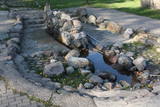 |
Atrodas 0,1 km austrumos no katoļu bazilikas. Jau no 1825. g. Svētavota ūdeni izmantoja dziednieciskiem mērķiem. Līdz 19. gs. 40. gadiem avota ūdens īpašības bija izslavētas tāpat kā Aglonas Dievmātes svētbildes brīnumdarītājas spējas. Tās savulaikapstiprinājusi Viļņas ārstu komisija un Pēterpils akadēmija, taču ap 1840. g. avots savas īpašības esot zaudējis. Tomēr arī mūsdienās svētceļnieki joprojām tic avota spēkam. |
|
 |
Vītnas krogs ir viens no vecākajiem guļbaļķu krogiem, kas Igaunijā saglabājies līdz mūsdienām. Ēkas kreisajā spārnā, kur atradās divi kungu kambari un zirgu stallis, tagad izvietota ēstuve un nacionālo rokdarbu tirgotava. Ēkas labajā spārnā, kur atradās “lauķu” kambaris un zemnieku zirgu stallis, tagad atrodas krogs, kas piedāvā nacionālos ēdienus. |
|
 |
"SIA R CHOCOLATE" atrodas Trikātā, 25 km no Valmieras. Šokolādes izstrādājumu ražotāji, kas strādā ar augstvērtīgu Spānijas šokolādi. Ražo šokolādes formas, tāfelītes, konfektes, trifeles un citus šokolādes izstrādājumus. Vasarā ražo saldējumu, izmantojot vietējo ražotāju ražoto pienu un krējumu. Piedāvā apmeklētāju grupām šokolādes meistarklases jeb darbnīcas. Apmeklētāji var iegūt informāciju par tehnoloģiskā procesa niansēm, strādājot ar šokolādi un degustējot to. |
|
 |
Latvijas lielākā ezeru sala, kas atrodas Usmas ezera vidusdaļā. Teritorija veidota uz salas augošo veco priežu audžu, augu un putnu aizsardzībai. Vislabākais veids - salu apskatīt no laivas, braucot pa Usmas ezeru. |
|
 |
Apmeklētāju centrā var iegūt noderīgu informāciju un iepazīt ekspozīciju par Karulas augstienes veidošanās vēsturi, ezeru iemītniekiem un šejienes novada kultūrvēsturiskajām tradīcijām. Apmeklētāju grupas semināru zālē var noskatīties izzinošu prezentāciju. |
|
 |
Auces novads miniatūrā izveidots ar Auces novada nozīmīgākajiem un atpazīstamākajiem objektiem miniatūrā, kuri apdzīvoti ar mājdzīvniekiem. Iespēja Auces novada iedzīvotājiem un viesiem izveidot saikni ar dabu un vienlaicīgi iepazīt Auces novadu. Mazajiem apmeklētājiem izglītojoša saikne ar dzīvniekiem, iespēja tos pabarot ar saimnieku sarūpētajām veltēm. Veicināta Auces novada atpazīstamība caur miniatūriem objektiem. Tiek piedāvāta ekskursija, kuras laikā iespējams apskatīt 4 saimniecības: Zemnieku saimniecību ‘’Skabargas”, Lauku sētu ‘’Krastiņos’’, saimniecību ‘’Andulaiši’ un Lauku sētu ‘’Baltiņi’’. Ekskursija notiek gida pavadībā. Tiek gaidīti viesi, grupās no 10 cilvēkiem, ar iepriekšēju pieteikšanos. |
|
 |
Piemājas saimniecībā “LIELKALNI” 2 ha platībā kopš 2006. gada iestādīts netradicionālu ogulāju dārzs: zelta jāņogas, irbenes, lielaugļu lazdas, smiltsērkšķi, melnais plūškoks, citronliānas, aktinīdijas, ēdamie sausserži, u.c. Kopš 2008. gada sertificēta Bioloģiskā lauksaimniecība. 2009. gadā iegūts PVD sertifikāts un saimnieki sākuši gatavot un pārdot veselību stiprinošus sīrupus, želejas, ievārījumus un tējas. Tūristiem piedāvā degustēt tējas, sezonas ogas, sīrupus, želejas un citus gardumus, kā arī tos iegādāties.
|
|
 |
Piemājas bioloģiskā saimniecība Zemturi atrodas 30 min braucienā no Kuldīgas. Saimniecībā pamatā nodarbojas ar šķirnes truškopību un ir veidota kā vieta, kur bērni var apskatīt, iepazīt trušus, putnus un citus mājdzīvniekus. Saimnieki ir izveidojuši divas tematiskas takas, viena - mājdzīvnieku un mājputnu taka un otra - dižkoku un puķu taka. Pirts mīļotājiem pieejama veselības pirtiņa, tāpat ir iespēja makšķerēt. Tiek piedāvāta arī nakšņošana ģimenei vai nelielai draugu grupai. Ekskursijas lieliem un maziem. |
|
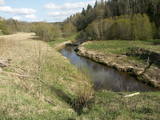 |
Riežupes dabas parks veidots g.k. Riežupes izteksmīgās ielejas, tai raksturīgo dabas vērtību – nogāžu un gravu mežu, dažādu ģeoloģisku dabas pieminekļu - smilšakmens atsegumu, alu, ūdenkritumu, upes straujteču posmu, dažādu sugu, mežu masīvu un ainavas aizsardzībai. Parka atrodas viens no Kurzemes populārākajiem tūrisma objektiem – Riežupes alas - garākais mākslīgo alu labirints Latvijā, kura eju kopgarums ir 460 m. Sākotnēji dabas veidotās alas 19. gs. vidū mākslīgi paplašināja baltās smilts ieguves nolūkos, kuras izmantoja stikla ražošanai. Parkā izveidots velotūrisma maršruts. |
|
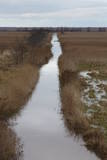 |
Lai nokļūtu līdz šim tornim, ir jāveic apmēram 20 – 30 min ilgs pārgājiens pa dabas taku no Penijē muižas gar Penijegi (Penijõgi) kreiso krastu. Te redzami bebru darbi un to celtās zaru mājas. No torņa paveras skats uz Kazari deltu, kas dabā izpaužas kā monolīts un nepārskatāms niedrājs. To vairākās daļās sadala Kazari un mazāka izmēra upītes. Katrai deltas daļai ir savs vēsturiskais nosaukums: no torņa pa kreisi no Penijegi redzama Lihula meri (Lihulas „jūra”), bet tās labajā pusē - Kloostri meri (Klostri „jūra”). Putnu vērotāji var iziet garāku (7 km) dabas takas loku, kas ved pa palieņu pļavām. Jārēķinās, ka pavasaros būs nepieciešami piemēroti apavi! Pļavas ierobežotās platībās apsaimnieko mājdzīvnieki, tādēļ neaizmirstiet aizvērt vārtiņus aiz sevis un netraucējiet to ikdienas gaitas! No maršruta nav atļauts novirzīties, lai netraucētu putnus. |
|
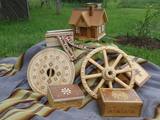 |
Amatnieka darbnīcā (izstāžu zāle „Sapņu namiņš) apskatāmi no koka virpotie izstrādājumi – svečturi, servīzes, alus kausi, puķu vāzes, glāzītes, piestas, cibiņas, koka gleznas u.c. izstrādājumi. Darbu iegāde, pasūtīšana un koka virpošanas mākslas demonstrējumi. |
|
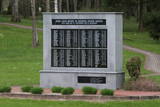 |
Otrā Pasaules kara laikā - 1944. g. septembra beigās Morē norisinājās vienas no asiņainākām un nežēlīgākām kaujām Latvijas teritorijā, par kurām vēl nežēlīgākas vēl bija tikai t.s. Kurzemes katlā. Mores kaujās vācu pusē karojošie latviešu leģionāri aizkavēja Sarkanās armijas izlaušanos uz Rīgu un novērsa 18. vācu armijas karaspēka ielenkumu. Kauju rezultāts bija svarīgs vietējiem civiliedzīvotājiem, (> 100 000), kas varēja un paspēja doties bēgļu gaitās un paglābties no vēlāk sekojošām represijām. Ik gadus - septembrī parkā notiek atceres pasākumi, kas pulcē kā šo notikumu aculieciniekus un citus. Te ir izveidota memoriāla siena ar iekaltiem Mores kaujās zināmo kritušo leģionāru vārdiem un uzstādīts akmenī kalts krusts - piemiņas zīme nezināmajiem kritušajiem karavīriem. 2 km austrumos no parka ir izveidots muzejs, pie kura apskatāms Padomju armijas tanks.
|
|
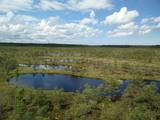 |
Viens no Latvijas lielākajiem (6192 ha) augstā tipa purviem ar ļoti izteiktām purva ezeriņu, lāmu un ciņu ainavām. Lielajam Ķemeru tīrelim ir ne tikai nozīmīga loma kā plašākas apkārtnes hidroloģiskā režīma un mikroklimata uzturētājam, bet tā ir arī putniem starptautiski nozīmīga vieta un viens no lielākajiem sērūdens veidošanās reģioniem. Purva austrumu malā - Kalnciema – Kūdras ceļa malā (3,4 km no Rīgas – Ventspils šosejas) uzstādīts informācijas stends, kas vēsta par Lielā Ķemeru tīreļa apsaimniekošanas pasākumiem un purvu lomu dabā un cilvēku dzīvē. 2013. gadā atklāta atjaunotā Ķemeru Purva taka ar koka laipām un skatu torni. Izveidotas 2 dažādu garumu riņķveida maršruti. |
|
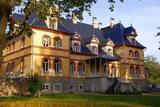 |
Mostes muiža ir izvietojusies Mostes ezera krastā. Apkārtni grezno ne tikai kungu māja, bet arī vērienīgais historicisma stilā būvētais palīgēku komplekss. Muižas kompleksā ietilpst angļu stilā ierīkotais parks. Kungu mājā tagad atvērta skola, savukārt, atjaunotajā muižas kokapstrādes darbnīcā Mostes muižas viesu nams, bet bijušajā zirgu stallī darbojas Restauratoru darbnīca. Muižas pārvaldnieka mājā atrodas Mākslas un sociālās prakses centrs, bet bijusī lopu kūts ir pārveidota par koncertzāli. |
|
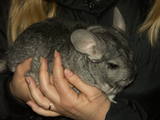 |
Saimnieki audzē šinšillas (to izcelsme meklējama Dienvidamerikas Andu kalnos). Piedāvā ekskursiju un stāstījumu par šinšillu dzīvi un audzēšanu, dzīvnieku un ādu iegādi. Saimniece glezno. |
|
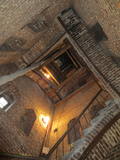 |
Unikāls industriālā mantojuma objekts – vienīgā atvērtā munīciju ražojošā rūpnīca Baltijas valstīs, kuras teritorijā atrodas Eiropas vecākais skrošu liešanas tornis, kuru līdz pat mūsdienām izmanto minētajam mērķim. Tūristu grupas, iepriekš piesakoties, gida pavadībā var apskatīt ražotni, skrošu liešanas torni un muzeju. Šobrīd Skrošu rūpnīcā ražo 9 veida lodes gludstobra ieročiem, kā arī lodes pneimatiskajiem ieročiem. Produkciju eksportē uz kaimiņvalstīm, Vāciju u.c. |
|


