
| Нo | Название | Описание |
|---|---|---|
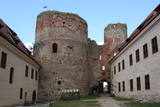 |
Название Бауска впервые упомянуто в исторических источниках в 1443 году. Это время, когда на полуострове между слиянием Мусы и Мемеле началось строительство последнего замка Ливонского ордена на территории теперешней Латвии. Рядом с замком, в Кирбаксале образовалось поселение, т.н. Вайрогмистс. В XVII веке наблюдался быстрый расцвет города. Здесь работали золотари, серебряных дел мастера, столяры, гончары, сапожники и другие ремесленники. В поздние столетия горожане страдали от войн, чумы и армии Наполеона. Сегодня старый город Бауски с только что вновь возведенной Ратушей и восстановленным Бауским замком является одним из интереснейших исторических центров городов Латвии. Бауска известна своими ежегодными мероприятиями - фестивалем Старинной музыки, праздником города Бауски, фестивалем кантри-музыки и др. мероприятиями |
|
 2 дня
|
Этот тур сочетает в себе кулинарные впечатления с посещением популярных туристических достопримечательностей на юге Эстонии. Вы посетите Выру и Рыуге, насладитесь пейзажами южной Эстонии в природном парке Хаанья с вершины Суур Мунамяги, самого высокого холма в Прибалтике, и вас искренне приветствуют в Сетомаа, земле Сетоса - этнического и языкового меньшинства, которое продолжает их уникальные традиции наследия. Сетомаа был заселен около 8 400 лет, что делает его одним из старейших населенных пунктов в Эстонии. В этом туре вы попробуете эстонские вина, приготовленные из местных ягод и фруктов, посетите козью ферму, предлагающую превосходный козий сыр, а в деревенской усадьбе вам предложат сытные деревенские блюда. Маршрут начинается и заканчивается в Тарту, но его можно продлить в / из Таллинна и Риги. |
|
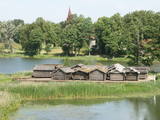 |
Реконструкция озерного жилища древних латгальцев 9-10 вв. европейского масштаба. Это - единственное место в Балтии, где посетители могут ознакомиться с условиями жизни человека более 1000 лет тому назад! Предлагаются разные тематические мероприятия. |
|
 4 дня
|
Профессиональный сельскохозяйственный тур, в ходе которого будет возможность ознакомиться с животноводческими хозяйствами, в которых разводят коров, овец, коз и свиней. День знакомства, в течение которого запланирован осмотр Риги – столицы Латвии (наследие ЮНЕСКО), организована встреча со специалистами Министерства земледелия Латвийской Республики, представителями негосударственных организаций сельхозпроизводителей. В первой половине следующего дня отправляемся в Курземе. Посещение крестьянского хозяйства, которое специализируется на мясном животноводстве. Специализация второго хозяйства – различные отрасли: разведение чистокровного и гибридного крупного рогатого скота на племя, откорм и производство мяса, продажа молочных поросят и производство свинины, выращивание зерновых и пищевого картофеля, а также пчеловодство. Вечером – посещение старого города Кулдиги и самого широкого водопада в Европе – Вентас румба. На следующий день отправляемся в Видземе. Первое хозяйство ведет интенсивное сельское хозяйство и специализируется на разведении крупного рогатого скота. Специализация второго сельского хозяйства – молочное животноводство, зерноводство и выращивание трав. Осмотр развалин Кокнесского замка, который находится на берегу Даугавы – судьбоносной реки латышского народа. Вечером – посещение одного из крупнейших козоводческих хозяйств Латвии. В хозяйстве разводят около 160 чистопородных коз (Альпийская, Англо, Немецкая белая благородная) и кабанчиков домашней свиньи (на племя). Экскурсия и дегустация разных сортов сыра. Утром следующего дня посетим одно из крупнейших овцеводческих хозяйств Латвии, которое одновременно является биологическим хозяйством. Здесь разводят около 250 овец Латвийской темноголовой породы. Второе хозяйство работает в двух направлениях – выращивает зерновые и семена трав и занимается молочным животноводством и разведением молодняка. Осмотр Цесисского замка. Цесисский замок был резиденцией магистров Ливонского ордена и одной из сильнейших крепостей ордена на сегодняшней территории Балтии. В завершении дня – поместье Унгурмуйжа – один из выдающихся образцов деревянного барокального строительства в Латвии 18-го века. |
|
 |
Сказительница, передающая язык вентиней, и травница Лига Рейтере в классе старинной школы обучает чистописанию и диалекту вентиней. Параллельно с познавательной экскурсией можно приобрести сделанные в Курземе товары и сувениры. |
|
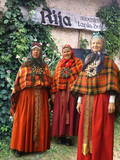 |
В старой риге Алсунгской усадьбы находится сувенирная лавка, где можно приобрести сделанные в суйтском крае сувениры и полезные в хозяйстве вещи: платки, перчатки, носки, посуду, травяные чаи и др. Суйты – это небольшая католическая община в лютеранском Курземе. Их традиции коренятся в культуре латышей, ливов, поляков и немцев, когда-то живших здесь. Суйты отличаются яркими народными костюмами, выразительной манерой общения, своеобразным этнографическим пением с тянущимся звуком ”ē” и, конечно же, остроумной манерой исполнения песен. Культурное пространство суйтов включено в список нематериального культурного наследия ЮНЕСКО. |
|
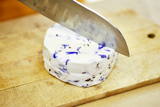 |
В этом хозяйстве разводят коз тюрингской породы и делают сыр из козьего молока, а также различные лакомства. А еще здесь выращивают пряности и лекарственные растения, которые используют для приготовления чаев и производства натуральной косметики. |
|
 1 день
|
Dodieties ekskursijā, lai gūtu ieskatu lauku profesijā un dzīvesveidā, kā arī iegūtu jaunus iespaidus un labu atpūtu visai klasei. Ekskursijas sākumā apmeklējiet savvaļas dzīvnieku parku, kura voljēros dzīvo ~ 200 dambriežu. Tālāk dodieties uz saimniecību, kur aug vairāk nekā 100 augu sugu un šķirņu - ekskursija pa saimniecību, augu stādu iegāde, tēju, augļu un ogu degustācijas. Pēc tam apmeklējiet Skrīveru pārtikas kombinātu, kurā iespējams iegādāties gardās Gotiņkonfektes un doties ekskursijā. Brauciena noslēgumā - Skrīveru mājas saldējums ar stāstījumu par saldējuma gatavošanu un degustāciju. |
|
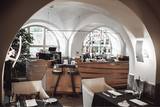 |
Pасположен в здании с богатой историей. Когда-то здесь находился рыбный рынок, и это оказало свое влияние на направление ресторана. Ресторан предлагает широкий выбор рыбных блюд и морских деликатесов, а также изысканные блюда из мяса. В наличии также вегетарианские блюда и детское меню. |
|
 |
Iespaidīgs pilskalns ar izveidotu apskates taku. Blakus ūdenstūristu apmetne „Kvēpene”.
|
|
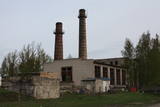 |
Котельная военного порта годами использовалась для обеспечения отопления в городе. Объект принадлежит Лиепайским теплосетям, заброшен, территория не охраняется.
|
|
 |
Семейный ресторан «Герцог» находится в центре города Елгавы, около площади Герцога Екаба. Повара используют местные продукты и сотрудничают с садом оленей «Рудини». Латышская кухня: Холодный суп, суп-гуляш из оленины, отбивная из оленины, жареный судак или сом, свиное жаркое, тушеная баранина, картофельные блины, десерт из облепихи. Особое блюдо: Говяжий стейк на камне. |
|
 |
Z/s "Kaupēni" ir ieguvusi bioloģiskās saimniecības statusu. Kaupēnu saimnieks Valdis Apalups ir pievērsies kazu audzēšanai, gaļai - saimniecībā uz vietas notiek arī gaļas pārstrāde. |
|
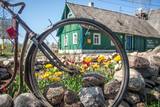 |
The guest house is located in Varnja Old Believers village and on the Onion Route - a destination on the shores of Lake Peipsi, the largest lake in Estonia and the trans-border lake of the European Union. It is about 45 km from Tartu. It offers the oppurtunity to experience authentic accommodation in a real home of an Old Believer family. Everything from the furnishing up to spoons and forks is as authentic as possible. The house has three rooms that can accommodate up to 10 people. Additional services: smoke sauna, Finnish sauna, plastic sauna, sauna in a tent, outdoor hot tub, boat rental, bicycle rental, camping, lake safari on a Karakat (wintertime only), boat house accomodation. |
|
 |
Семейная ферма Жиляй основана, обслуживается и развивается одной семьей. Любознательные отдыхающие, прогуливаясь, могут увидеть, как выглядят белые павлины, фазаны, утки, куры, лошадки пони, французский скот породы Шароле, белые свиньи генофонда Литвы. |
|
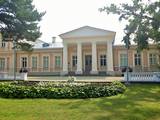 |
Парк усадьбы Ренавас, заложенный в XIX в., представляет собой один из литовских парков репрезентативного типа и сохранил свое первичное природное начало. В небольшом партере дворцовой части парка сохранилось немало экзотических пород деревьев. В северной части парка и в лесопарковой зоне преобладают клены, липы, ясени, ели, дубы и др. Украшением парка является самая толстая ель в Литве: ствол этого дерева достигает 1,2 м в диаметре. Также здесь растет необычная липа: ее главный ствол некогда сильно накренился, и сейчас на нем растут шесть отдельных деревьев, отпочковавшихся от основного ствола. В парк ведет так называемая пергола (крытая аллея), увитая вьюнком. |
|
 |
Established: 1959
60 coniferous and 350 deciduous trees
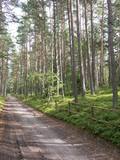
Brief description: Between the Tukums-Kolka road, the Lāčupīte stream and the sea, Igors Mednis has planted a series of foreign trees and shrubs. He has conducted experiments to see how different foreign plants adapt to different conditions. The best time to visit is in May and June, when the rhododendrons are in bloom.
|
|
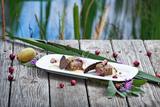 |
Находится в центре Дикли. В построенном в 1896 г. замке, обновленном в 2003 г., обустроена 4-звездная superior гостиница. В замке Диклю можно осмотреть старинную мебель, камин и предметы роскоши, а также выставку картин художников Латвии. В двух ресторанах (летний, зимний) предлагают утонченное меню и индивидуальный подход. Сотрудничают с крестьянскими хозяйствами. Латышская кухня: Говяжий стейк, приготовленная на гриле форель, копченое сало кабана, филе судака из озера Буртниеку. Сезонно предлагаются собранные в местных лесах грибы и ягоды. Особое блюдо: Карбонад из оленины в сиропе из цукатов и луковом мармеладе. |
|
|
|
1996. g. atklātais piemineklis (tēlniece: A. Veinbaha) Dagdā (starp Asūnes un Rēzeknes ielām) ir piemiņas vieta komunisma terora upuriem. No šejienes paveras labs skats uz salām bagāto Dagdas ezeru. |
|
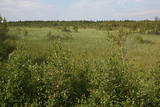 |
There is no need to enter the bog to see it, there are good views from the highway Ventspils – Riga (77 km, bus stop “Pagrieziens uz Elkskeni”). The main value of restricted area is chalky fen bog with brown bog-rush (greatest habitat finding in Latvia). Be careful when stopping on the highway – mind the traffic! A couple of kilometers towards Riga, on the right side of the highway, there is sign to Grizu Velna kresls ( Grizu Devil Chair) which is an attractive boulder (protected).
|
|


