
| Nr | Nosaukums | Apraksts |
|---|---|---|
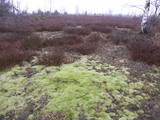 |
Baltijas mērogā unikāls dabas un cilvēkizmantots apvidus, kas veidojies kādreiz - padomju, mūsdienās - Latvijas Nacionālo bruņoto spēku pārvaldītā armijas poligona teritorijā. Poligona lielāko daļu aizņem smilšains vai ar zemiem lakstaugiem un krūmāju apaudzis kāpu masīvs ar atsevišķiem lielākiem kāpu vaļņiem. Rudens laikā šeit lielās platībās zied virši. Unikālā virsāju un aprimušo kāpu ainava un daudzu sugu dzīves vieta bija daži no iemesliem, kādēļ šai militārai teritorijai ir piešķirts arī aizsargājamas dabas teritorijas statuss. Jāatgādina, ka poligona apmeklējumi privātpersonām bez iepriekšēja saskaņojuma ir aizliegti!
|
|
 |
Bijušajā Heltermā ostas krogā – tējnīcā (18. gs.) ir atvērtas Heltermā rokdarbu darbnīcas, kur var iegādāties vietējo meistaru garadarbus un visu vasaru piedalīties daudzos un dažādos radošos pasākumos (piem. ziepju vārīšana, filca velšana, apdrukāšana ar augiem un koka klucīšiem utt.). |
|
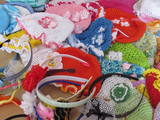 |
"Rokdarbu lādes" veikaliņā ir apskatāmi un iegādājami Sabiles sievu darinājumi – adījumi un tamborējumi – cimdi, zeķes, cepures, šalles un citas noderīgas lietas, kas kalpos kā lieliskas dāvanas un suvenīri. |
|
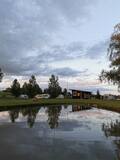 |
Lakeside Sigulda ir klusais kempings un atpūtas vieta teritorijā pie Matiņu ezera. Piedāvā atpūtu, nakšņošanu pie dabas un piknika iespējas klusā vidē. Kempinga teritorijā iespējams nakšņot ceļotājiem ar kemperiem, karavānām, kā arī nakšņotājiem teltīs. Turklāt ir arī uzcelta labiekārtota glempinga telts 2 cilvēkiem. Kempinga viesiem pieejamas dušas, tualetes, āra virtuve, piknika vietas, grili, internets un elektrības pieslēgums. Aktīvai atpūtai pieejami SUP dēļi un nelielām svinībām - stiklota nojume "Čala". |
|
 |
Meklējama pilsētas centrā - Tirgus laukumā 11. Dievnams uzcelts 1886. g. Ēkā atrodas vairāki nozīmīgi mākslas pieminekļi – gleznas, krucifikss (18. gs.) u.c. Baznīcas dārzā apskatāma skulptūra “Latgales māte” (tēlnieks B. Buls) un piemineklis politiski represēto piemiņai (tēlniece V. Dzintare). Baznīca ir apskatāma arī no iekšpuses. |
|
 |
Piedāvā makšķerēšanu Usmas ezerā. Saimniece no noķertā loma vāra garšīgas zušu zupas un kūpina zivis. Laivu noma, piedalīšanās zvejā, tīklu vilkšana (arī ziemā), izbraucieni ar kuteri pa ezeru. No kūpinātajiem brekšiem taisītu konservu degustācija. Zirgu izjādes. |
|
 |
Siguldas Jaunā pils būvēta (būvmeistars J. Meņģelis) laikā no 1878. - 1881. g. un tās īpašnieks bija kņazs Kropotkins. Pils torni paaugstināja 1937. g. (arhitekts A. Birkhāns). No 1923. - 1940. g ēkā atradās Rakstnieku pils (saimniekoja Latvijas Preses biedrība), bet Padomju laikā - kardioloģijas sanatorija. 1993. g. pilī izvietojās Siguldas pilsētas dome, bet no 2003. g. te atrodas Siguldas novada dome. Muižas kompleksā ir saglabājusies koka dzīvojamā ēka (19. gs. vidus), kurā atradās Kropotkina ģimenes mājas, klēts (18. - 19. gs. mija), dārznieka māja (19. gs.) un mūra žogs (19. gs.). Siguldas Jaunā pils tāpat kā Siguldas un Krimuldas pilsdrupas, Krimuldas muiža un Turaidas pils ietilpst Siguldas, Turaidas un Krimuldas vēsturisko centru kompleksā . |
|
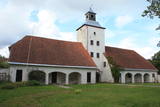 |
Mūsdienās redzamais Stukmaņu muižas komplekss tapis 17. un 18. gs. pārbūvju laikā, kad cietokšņa tipa celtnes vietā uzbūvēja muižas pili un pārējās saimniecības ēkas. Muižas ansambļa centrālo daļu - taisnstūrveida pagalmu aptver pils ēka un divas viena otrai pretī celtas un ar kolonnām rotātas klētis, zirgu staļļi un ratnīca. Pēdējie divi kopā ar zvanu torni un vārtu caurbrauktuvi veido vizuāli iespaidīgāko ēku daļu. Zvana skaņas kalpoja gan reliģiskiem rituāliem, gan ikdienas gaitu izziņošanai. Ēkas siluetā vērojamas asociācijas ar 18. gs. Eiropā izplatītās klosteru, rātsnamu un baznīcu jumta torņu būvmākslas paraugiem. No 1780. g. muižā saimniekojusi Karla Otto fon Levenšternu dzimta. Muiža apskatāma tikai no ārpuses. Stukmaņu muižas apkaimē izveidota pārgājienu taka. |
|
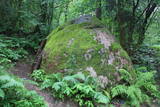 |
200 m attālumā no Gulbenes – Madonas ceļa mežainā nogāzē iegūlis 2,4 m augstais akmens. Tā lēzenajā virsmā iekalta ap metru gara, 0,3 m plata un ap 4 cm dziļa iedobe, bet akmens šķautnē - pakāpieni. Uzskata, ka šis ir sens kultakmens, pie kura ziedots. Lai nokļūtu līdz akmenim, vasaras otrajā pusē var nākties brist pa garu zāli. |
|
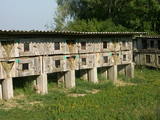 |
Trušu ferma (~ 200 truši), kuras apmeklētājiem piedāvā ekskursiju ar trušu apskati un konsultācijas par trušu audzēšanu. |
|
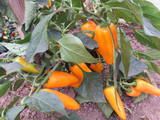 |
Saimniecībā audzē avenes (6 ha), garšaugus un ārstniecības augus (vairāk nekā 100 šķirnes), dārzeņus (paprikas, gurķi, tomāti, čilli pipari, sīpoli, ķiploki) un bites. No izaudzētā taisa salātus, ievārījumus, lečo, čatnijus. Apmeklētāji var iegādāties augu pārstrādes produkciju, paši lasīt avenes un zemenes, degustēt tēju, nopirkt medu un iegūt vērtīgas konsultācijas. |
|
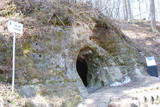 |
Helmes ordeņa pilsdrupas slienas stāva paugura galā pie Pērnavas - Valgas lielceļa. Laika gaitā te ir saimniekojuši vācieši, krievi, lietuvieši un zviedri, kas 1658. gadā šo pili arī sagrāva. Pils pakājes gravā tek Arstiallikas (Ārsta avots), kura ūdens palīdzot pret septiņām kaitēm. Pilsdrupu ziemeļu pusē atrodas Helmes alas, kas veco ļaužu valodās ir pazīstamas ar nosaukumu Põrgu(Elle). Apskatīšanai pieejamas divas zāles. Helmes ciemā atrodas novadpētniecības muzejs. |
|
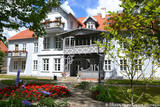 |
Šilutes muižu mūsdienās mēdz saukt tā pēdējā saimnieka vārdā – Hugo Šoja muiža. Šilutes muižnieks, parka izveidotājs Hugo Šojs (Scheu) muižu iegādājās 1889.gadā. Viņš atjaunoja muižas ēkas un apkaimi, tāpat izveidoja 2 parkus: muižas un par “kraukļu mežu” saukto meža parkus. Muižai blakus izveidoja angļu tipa parku ar pastaigu takām. Meža parks, veltīts iedzīvotāju pastaigām, izveidots abās Šišos līkumotās upes pusēs, ko savieno gājēju tilti. Parkā, kas izpleties gar Šišes upi līdz senajam dzelzceļa tiltam, atrodamas ap 150 augu sugas. Šobrīd parkā ir 40 koku sugas un krūmi. |
|
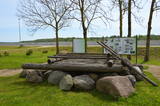 |
Atrodas Pļaviņās, iepretim Kaļķu ielai, Daugavas krastā, kur no baļķiem un akmeņiem ir izveidota simboliska plosta daļa t.s. plene. Apkaimē ir izvietoti informatīvi stendi ar fotogrāfijām, kas stāsta par Daugavas plostnieku ikdienas smago darbu, pārvarot upes krāčainos posmus. |
|
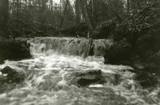 |
Kanjonveidīgu gravu komplekss, kas veidojies dolomīta slāņos, veidojot atsegumus un nelielus ūdenkritumus upītes gultnē. Lai arī Kalamecu - Markūzu gravas tiek bieži popularizētas un apmeklētas kā tūrisma objekts, tajās nav attiecīgs, šim mērķim paredzēts labiekārtojums!
|
|
 |
~ 6000 taksonu, tai skaitā gandrīz 300 dāliju šķirnes, 120 acāliju un 100 āra rododendru šķirnes.
Augu mājās aug dažādi eksotiski tropu augi un to augļi (tai skaitā, citroni, banāni, ananāsi, vīģes, olīvas, avokado un kafija), plaša kaktusu kolekcija un lielākā Latvijas palmu kolekcija. Āra ekspozīcijās apskatāmi gan bagātīgi ziemciešu stādījumi, gan ārstniecības augi un Latvijas indīgo augu kolekcija, kā arī augu sistemātiskās grupas (raksturīgas vienīgi universitāšu botāniskajiem dārziem). Vienīgā vieta Latvijā, kur pavasarī vienviet redzams tik daudz ziedošu magnoliju.
Āra ekspozīcijās – ēdamā kastaņa (Castanea sativa), ginks (Ginkgo biloba), reliktā metasekvoja (Metasequoia glyptostroboides), baltais zīdkoks (Morus alba), trīsdaivu dižmandele (Louiseania triloba), karaliskais grieķu valrieksts (Juglans regia). Augu mājās – araukārijas (Araucaria bidwillii un A. heterophylla), volēmija (Wollemia nobilis), liellapu gumijkoks (Ficus macrophylla), karaliskā Viktorija (Victoria regia) u.c.
|
|
 |
Saimniecība atrodas netālu no Sangaste rukkiküla neskartas dabas vidū. Saimniecībā var pamieloties ar gardiem ēdieniem, ķert zivis, iet saunā, kā arī pārnakšņot. Sev piemērotas nodarbes atradīs gan aktīvās atpūtas cienītāji, gan vienkārši baudītāji. |
|
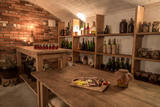 |
Viesi tiek aicināti apmeklēt viesu nama tradicionālo lietuviešu etnogrāfisko pagrabu. Šeit piedāvā degustēt sālīto speķi ar skābētiem ekoloģiskajiem gurķiem, nogaršot mājas sieru ar dažādiem dabīgajiem ievārījumiem, nogaršot viesu nama saimnieku gatavoto ābolu vai vīnogu vīnu. Tāpat viesi tiek cienāti ar šeit gatavoto irbeņu tēju. |
|
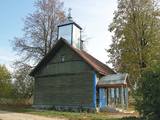 |
Pļuskovas vecticībnieku kopienas lūgšanu nams celts 20. gs.
sākumā.
|
|
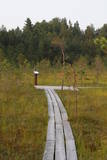 |
Ziemeļos no Andrupenes lauku sētas muzeja dziļā starppauguru ieplakā ir iegūlis nelielais (130 m garš, 120 m plats) Andrupenes purvs – augstā tipa purvs ar klaju centrālo daļu. Ieplakas nogāzes klāj baltalkšņu audzes. Rāznas nacionālā parka administrācija 2009. gadā atjaunoja Andrupenes pamatskolas izveidoto purva mācību taku, izveidojot kāpnes, skatu platformu, dēļu laipas un informācijas stendus. |
|


